When someone types “track recently following on X” into a search bar, they’re not browsing.
They’re hunting for a signal.
They want to know one thing:
Who did this account just start paying attention to and what changed?
On X, following is not a casual gesture. It’s a quiet decision. A person doesn’t follow another account by accident. They follow because something has shifted: a new interest, a new project, a new line of thinking, a new relationship forming just below the surface.
That’s what makes following behavior so powerful. It’s one of the clearest public traces of intent we have. And yet, paradoxically, it’s also one of the hardest to read.
If you are a creator on X and want to know about the latest developments regarding the algorithm changes, engagement strategies, payout boosts, etc., you can join Circleboom's X Creator Growth Lab Community and enjoy a free space to learn from and contribute to!
Why Recently Following Activity Matters
Following someone on X is one of the quietest actions on the platform and one of the most revealing.
People don’t follow at random. They scroll at random, like at random, even reply impulsively. But following is deliberate. It’s a small commitment. A way of saying this matters enough for me to keep it close.
That’s why recently following activity carries so much weight.
When someone follows a new account, it usually signals a shift happening behind the scenes. They might be researching a topic they don’t yet talk about publicly. They might be stepping into a new professional space. They might be preparing for a collaboration, evaluating a product, or tracking a journalist whose reporting they’re about to reference. Sometimes it’s competitive, watching rivals, monitoring peers. Sometimes it’s cultural, aligning with a community, a movement, a worldview.
Whatever the reason, the follow comes before the action.
This is what makes it so valuable.
You can track "Smart Money" on X and find possible collaborations, partnerships, etc., before they are realized.
 Altug Altug
A single new follow can be meaningless. Everyone follows someone new occasionally. But patterns tell a different story. When an account starts following several people from the same niche, the same industry, the same conversation space, something is clearly changing. Attention is consolidating. Intent is forming.
And intent, on X, almost always precedes visibility.
By the time someone starts posting about a new topic, launches a product, announces a partnership, or shifts their public stance, the following behavior has often been signaling that direction for days or weeks. The platform just doesn’t surface it.
Recently following activity is where those early signals live. It’s the difference between noticing something once it’s loud and noticing it while it’s still quiet.
That’s why tracking who someone just followed isn’t about curiosity or surveillance. It’s about understanding movement. About seeing where attention is flowing before it hardens into outcomes.
On X, follows are footsteps.
One step means nothing.
A trail means someone is going somewhere.
What X Does (and Doesn’t) Show You
On the surface, X appears transparent.
You can open any public profile and see:
- who that account follows
- who follows them
It feels like access. It feels like visibility.
But it’s an illusion of completeness.
What X shows you is a snapshot, frozen in time. It tells you what the network looks like right now not how it got there.
What it never tells you is the story underneath:
- when a follow happened
- which accounts were added most recently
- what changed since the last time you looked
Time is stripped away. Movement is erased.
So if an account follows ten new people today, ten journalists, ten founders, ten political figures, nothing on the platform marks that moment. Tomorrow, those new follows blend seamlessly into the list, indistinguishable from accounts followed years ago.
Unless you happened to notice it in real time, the signal is gone.
This creates a strange dynamic: following behavior is public, but its meaning is effectively hidden. The most important part—the change—is invisible.
And change is where insight lives.
Without a sense of sequence, you can’t tell whether an account has been stable for months or actively reshaping its attention this week. You can’t tell whether a follow represents a long-standing interest or a brand-new curiosity. You can’t tell whether something just started or whether it’s old news.
In practice, this means X shows you state, not motion.
You see the final arrangement, not the process. The destination, not the journey.
That’s why recently following activity is so hard to catch natively and why so many people miss the early signals entirely. By the time a shift becomes obvious in posts, partnerships, or headlines, the follows that hinted at it have already faded into the background.
On X, attention moves quietly.
And without tracking, it moves unseen.
Tracking vs. Guessing
Without tracking, people improvise.
They check profiles manually, scrolling through long follow lists and hoping their memory fills in the gaps. They take screenshots “just in case,” building messy folders they rarely revisit. They rely on instinct I’m pretty sure this person wasn’t here before and treat that hunch as insight.
 Altug Altug
It’s a fragile way to work.
Manual checking only captures a moment, and moments disappear. Screenshots freeze information without context. Memory bends, fills in blanks, and quietly lies. None of this scales beyond casual curiosity, and none of it holds up when the question actually matters.
The problem isn’t effort. It’s that humans are terrible at detecting slow, incremental change.
Following behavior on X rarely shifts in dramatic bursts. It changes quietly, one account at a time. That’s exactly the kind of movement manual methods are worst at catching.
Tracking changes the entire dynamic.
Instead of guessing, it gives you answers:
- who was followed recently
- who was unfollowed
- how an account’s attention shifts over days or weeks
Not as anecdotes. As evidence.
Tracking introduces time back into the equation. It turns a static list into a sequence. You stop asking “Was this always here?” and start seeing when it appeared and what came before it.
That’s the difference between observation and understanding.
When follow behavior is tracked, patterns emerge naturally. You see clusters forming. You notice accelerations and pauses. You can tell the difference between a stable account and one actively reshaping its network.
Without tracking, everything looks flat.
With tracking, movement becomes visible and movement is where meaning lives.
How Recently Following Tracking Works in Practice
Tools like Circleboom monitor public follow data over time and surface newly added followings.
I will show you a case study on Circleboom to show you the step-by-step process of how to track recent following and followers on X:
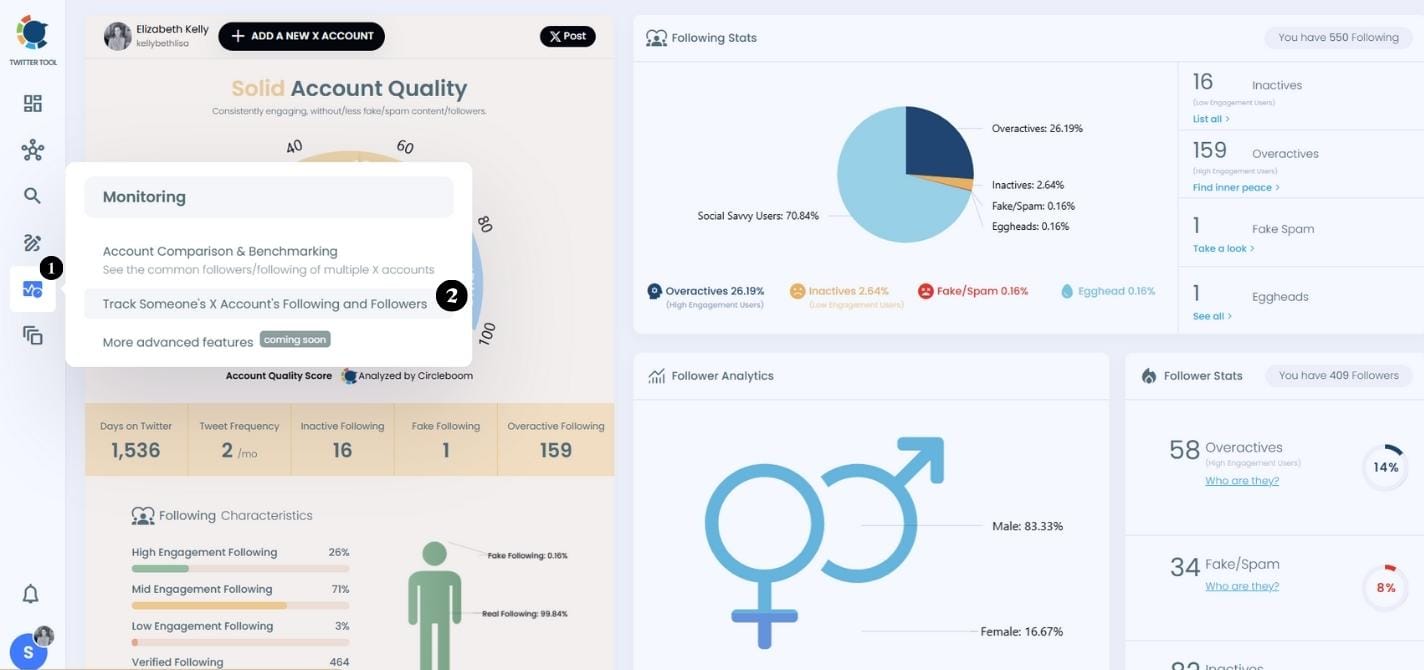
Step #1: Land in the Circleboom dashboard.
Under the "Monitoring" menu, find "Track Someone's X Account's Following and Followers".
Step #2: I track many people and "CZ Binance" is one of them.
I want to track recent following of CZ Binance so maybe I can find new projects or partnerships.
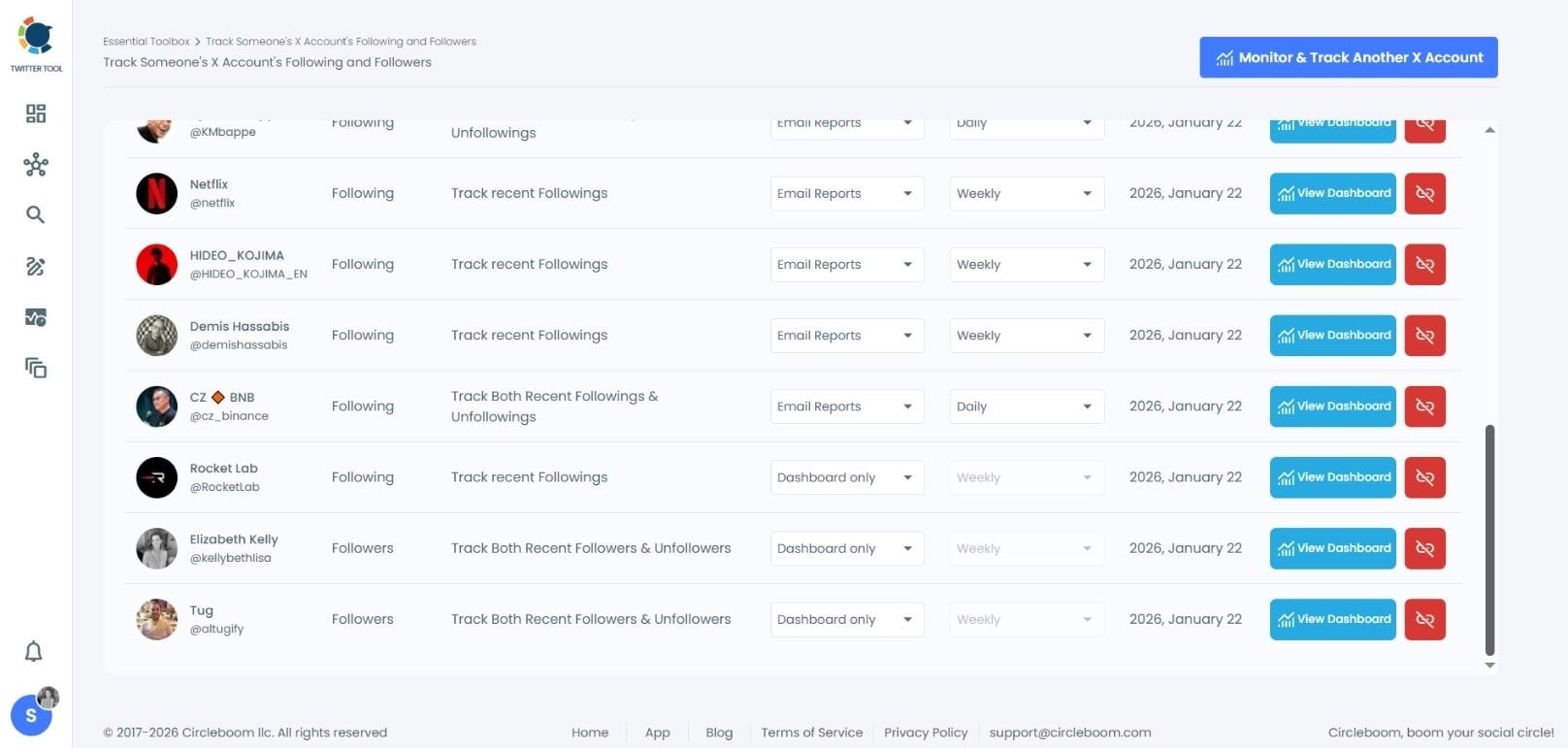
Step #3: I find "1" recent following of CZ Binance.
Who is this profile?
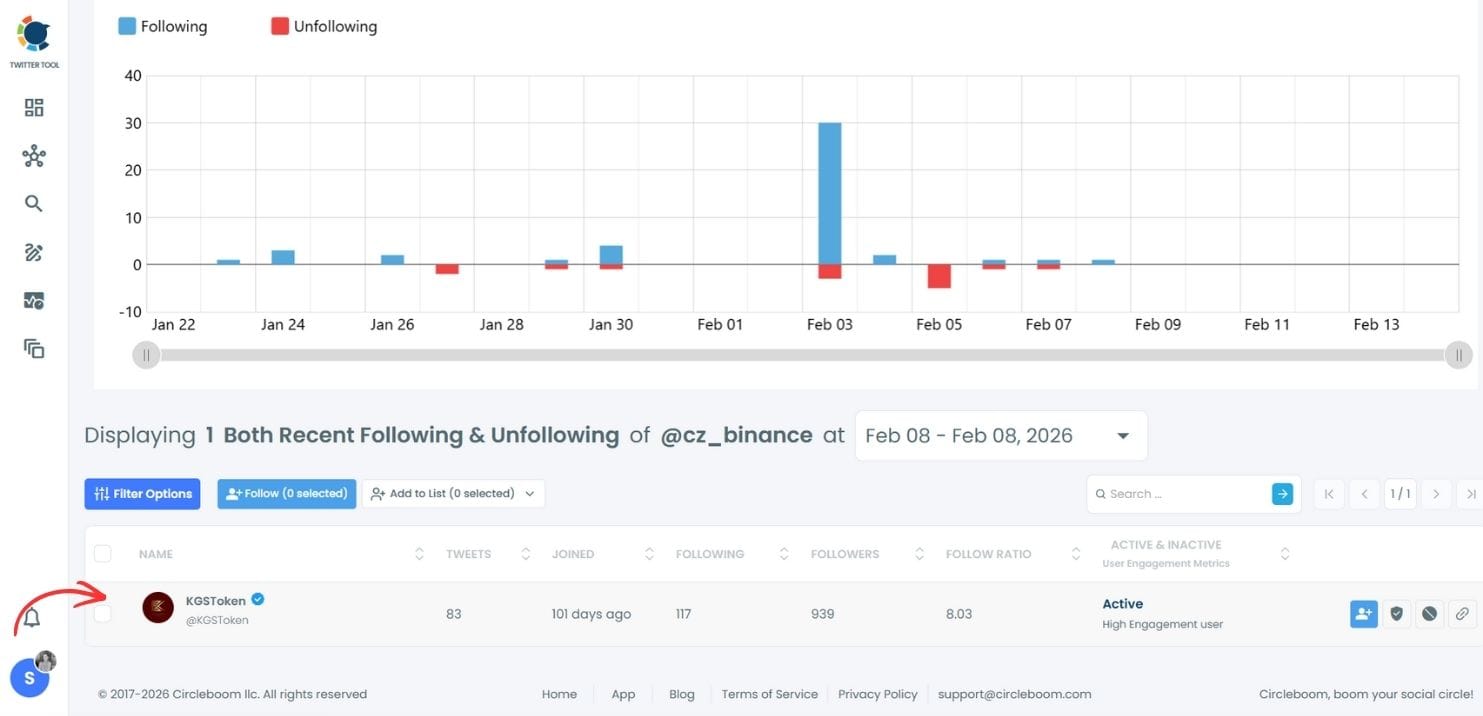
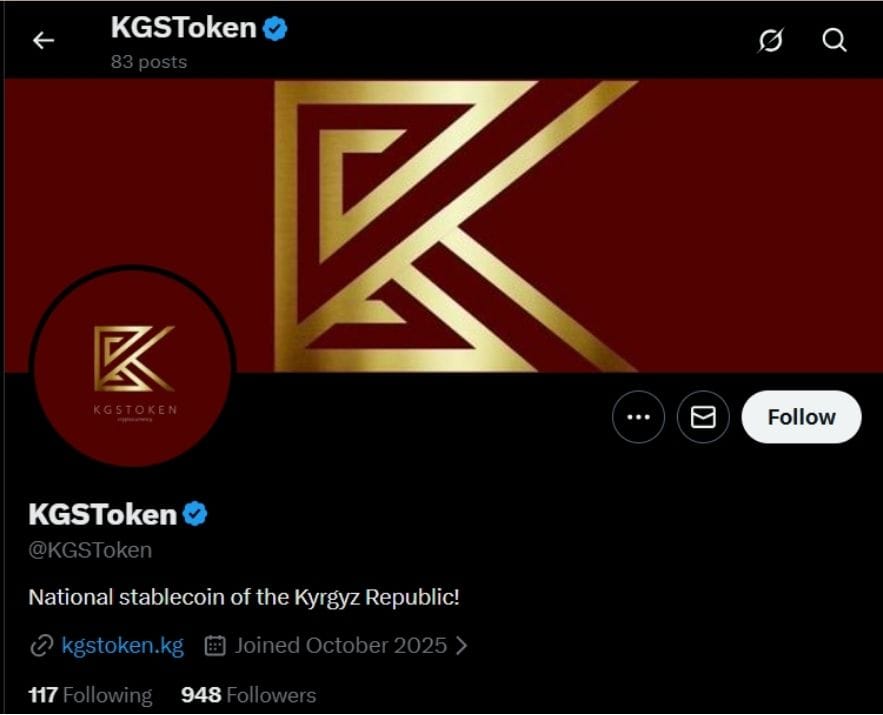
Step #4: It is the KGS Token, the national stablecoin of the Kyrgyz Republic.
Thanks to this, I learn it and I can explore possible collaborations.
 Altug Altug
Keep in mind that the API provides a more accurate real-time data stream than the X interface itself. While the platform UI may experience lag, the API captures and reflects new developments instantaneously.
Circleboom has the official Enterprise API, we don't scrape data from X!
Final Words
Recently following data isn’t about how many people someone follows.
It’s about when that attention moved.
Volume tells you history. Movement tells you direction.
A following list built over years is a fossil record: interesting, sometimes impressive, but largely static. It reflects who someone used to care about, not what’s currently pulling their focus. On a platform as fast-moving as X, that distinction matters more than most people realize.
Attention doesn’t shift loudly. It drifts.
Before someone posts about a new topic, they usually start following people who talk about it. Before a collaboration is announced, the follows often appear first. Before a narrative change becomes visible, the alignment has already begun quietly in the background.
Recently following data captures that early motion.
It shows you curiosity before commitment. Research before action. Intent before announcement. It lets you see where someone is going, not just where they’ve been.
That’s why tracking who someone just followed is so much more revealing than scrolling through a list frozen in time. One shows momentum. The other shows accumulation.
If your goal is to understand shifts in interest, influence, or strategy on X, movement is the signal worth watching. Everything else is just context.