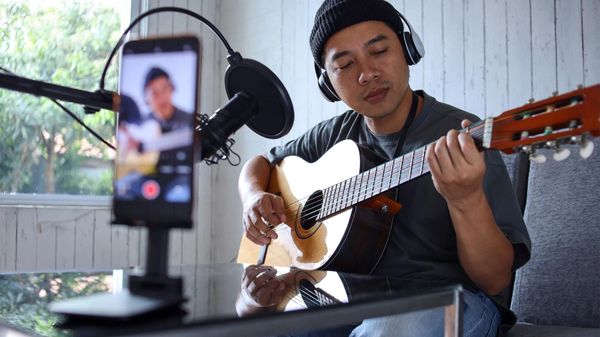
The fastest way for musicians to use Twitter (X) effectively in 2026 is to combine community engagement with structured release promotion. Pure broadcast posts (release announcements, tour dates, generic promotional content) underperform; engagement-driven content paired with scheduled release campaigns produces measurable fan growth.
Circleboom's Find Influencers, Bulk Schedule, and Cross-Posting features run the music-marketing workflow on Circleboom's verified Enterprise developer access.
→ Run the musician Twitter workflow
Below: how musicians actually grow audience on X, the engagement framework, and the release campaign structure.
Why Musicians Underperform on Twitter Without Structure
Three structural problems account for most musicians who try Twitter and produce no measurable fan growth.
The first is broadcast-only release announcements. Posting "new song out!" on release day and nothing else reaches whatever cold audience X surfaces, which is typically existing followers and not new fans.
The second is missing engagement. Musicians who only post promotional content do not build relationships with the community of fans, fellow musicians, and music journalists who drive growth on the platform.
The third is platform-mismatch posting. Treating Twitter the same as Instagram or TikTok produces content shapes that do not fit Twitter's text-and-thread format. The article on content repurposing strategies for maximizing reach covers the platform-fit principle.
How Musicians Actually Grow on Twitter
Three engagement shapes work consistently for musicians.
Music industry conversations
Replying thoughtfully to other musicians, music journalists, and industry conversations builds visibility. The article on engaging with followers on Twitter covers the engagement-side mechanics.
 Arif Akdogan
Behind-the-music content
Process content (studio sessions, songwriting moments, tour preparation) outperforms polished promotional content. Fans want access; broadcasts do not provide it.
Community recognition and fan engagement
Replying to fan comments, quote-tweeting fan content, and acknowledging community members compounds fan loyalty.
How to Run Twitter for Musicians (Step by Step)
The flow has three phases: community building, release campaign, ongoing engagement.
Hands-on demo: how Find Influencers ranks music-niche accounts.
The flow, in order.
Phase 1: Build the community
- Log in to Circleboom Twitter and connect through OAuth.
- Open the X Post Planner menu.
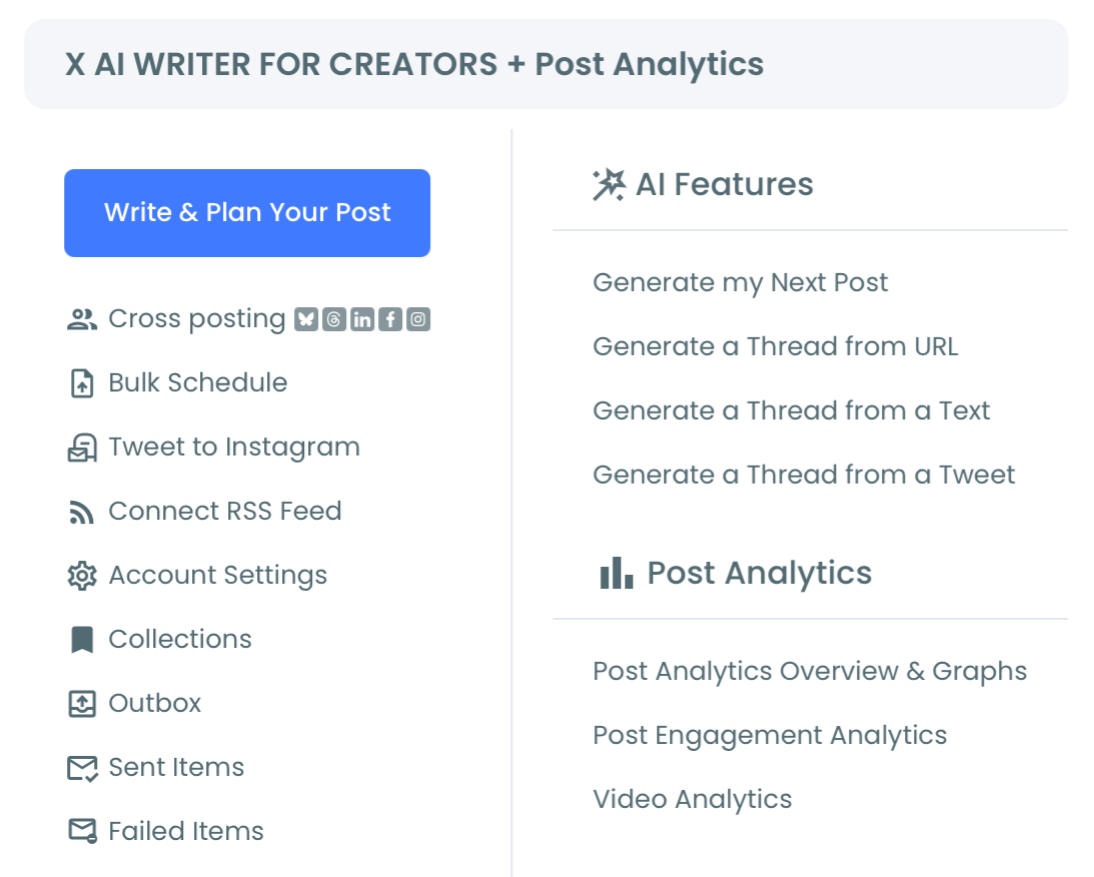
- Run Find Influencers with music-niche keywords (genre, instrument, scene) to surface community.
Phase 2: Run release campaigns through scheduled content
- Build a Bulk Schedule queue for the 30-day pre-release and 14-day post-release window.
- Cross-post to Instagram, Facebook, and Threads for multi-platform promotion.
Phase 3: Run ongoing engagement
- Reply to fans, fellow musicians, and music conversations daily.
- Track engagement signals through Engagement Analytics.
That sequence runs the musician Twitter workflow.
What Release Campaign Structure Looks Like
A typical release campaign runs 30 days pre-release plus 14 days post-release. The structure:
- T-30: announce the release date with a hook tweet plus thread.
- T-21: behind-the-music content from the recording or production process.
- T-14: pre-save link or pre-order link with context.
- T-7: collaborator or featured-artist context.
- T-0: release day with multiple coordinated tweets.
- T+1 to +14: continued promotion plus fan engagement.
The scheduled content runs through Bulk Schedule; the engagement runs in real-time alongside.
What to Avoid in Music Twitter Marketing
Three failure modes.
- Spammy follower-acquisition tactics. Buying followers compresses engagement and does not produce real fans. The article on I have a bot Twitter followers problem covers the inverse.
- Mass-DM to other musicians or fans. Triggers spam-detection and produces near-zero conversion.
- Generic hype tweets. Music audiences punish hype faster than other audiences; specific behind-the-music content outperforms.
Why Twitter Specifically for Musicians
Twitter remains a primary platform for music industry conversation: journalists, A&R reps, fellow musicians, and engaged fans cluster on X for music discourse. Instagram and TikTok handle visual-first promotion; Twitter handles industry conversation and direct fan engagement.
Most successful musicians allocate 30% to 50% of their social marketing time to Twitter, with the remainder split across Instagram, TikTok, and YouTube.
The Bottom Line
Twitter for musicians works in 2026 when paired with community engagement and structured release campaigns. Broadcast-only releases produce no fan growth; engagement-driven workflows produce durable fanbase.
→ Open the musician Twitter workflow now
Common Questions About Twitter for Musicians
How much time per day does the workflow take?
About 30 to 60 minutes daily for active engagement, plus 1 to 2 hours weekly for content production and scheduling.
Should I run paid Twitter ads for releases?
Paid ads work as a layer on top of the engagement workflow. Paid-only releases typically underperform.
Does the workflow work for unsigned musicians?
Yes. The framework applies regardless of label status. Unsigned musicians often have stronger results because they engage more authentically.
Is the workflow safe under X's rules?
Yes. All discovery and analytics run through Circleboom's Enterprise developer access.