
The biggest giveaway mistake is not picking the wrong winner. It is rewarding the wrong pool.
Brands often judge a giveaway by how many entries showed up, then wonder why the follower bump fades the moment the winner is announced. The problem is usually not the randomizer. The problem is that a messy entry pool produces messy growth. A Twitter giveaway picker becomes valuable when it helps you control the quality of that pool.
Is a bigger giveaway pool always a better growth signal?
No. Circleboom helps you collect eligible giveaway entries on X, filter low-quality participants, and choose a winner from a cleaner pool using official X (Twitter) Enterprise APIs.
→ Twitter giveaway picker
Keep in mind that the API delivers more precise real time data than what you see on the X interface. The platform itself can lag or delay updates, but the API reflects changes instantly as they happen.
Circleboom runs on the official Enterprise API, which means we rely on structured, authorized data access not scraping or unreliable methods.

Why raw entry count is a weak giveaway metric
A large giveaway entry pool can look impressive on the surface, but it tells you almost nothing about what happens after the prize is gone. If the pool is full of low-intent entrants, duplicate-account behavior, or people who only show up for generic prizes, the campaign may spike activity without improving the quality of your follower base.
That is why a giveaway picker for Twitter should be treated as a growth filter, not just a winner picker. The strong use case is not "find a random name faster." The strong use case is "make sure the winner comes from the audience you actually want to keep."
This point is easy to miss because most giveaway advice stops at mechanics. Paste the tweet URL, pick a winner, post the result, move on. That flow solves speed, but it does not solve campaign quality. A growth-minded giveaway has to ask a tougher question: who entered, why did they enter, and what will be left when the prize incentive disappears?
Is a bigger entry pool always better for growth?
No. A bigger pool is only better when the entrants resemble the audience you want after the campaign ends. That is why a Twitter giveaway picker should be treated like a targeting layer, not only a draw tool.
If the prize is broad and the participation rules are loose, you often pull in people who will never engage with your normal posts. They enter, wait for the result, and leave. That creates a vanity spike instead of a durable audience gain. The better metric is not "How many people entered?" but "How many relevant people stayed, engaged, and fit the account after the draw?"
That is why Circleboom's filtering matters. Circleboom can help you review the entrant pool before selection, which gives you a chance to remove obvious noise and protect the quality of the final outcome. For growth-focused campaigns, the cleanest next step is to pair the giveaway with a quick check of follower quality before the draw so the campaign is not measured by volume alone.
How a Twitter giveaway picker protects entry quality
The best workflow is simple: define the rules, inspect the pool, filter what does not fit, then draw from the audience segment you are actually willing to reward.
Connect the original giveaway post to Circleboom
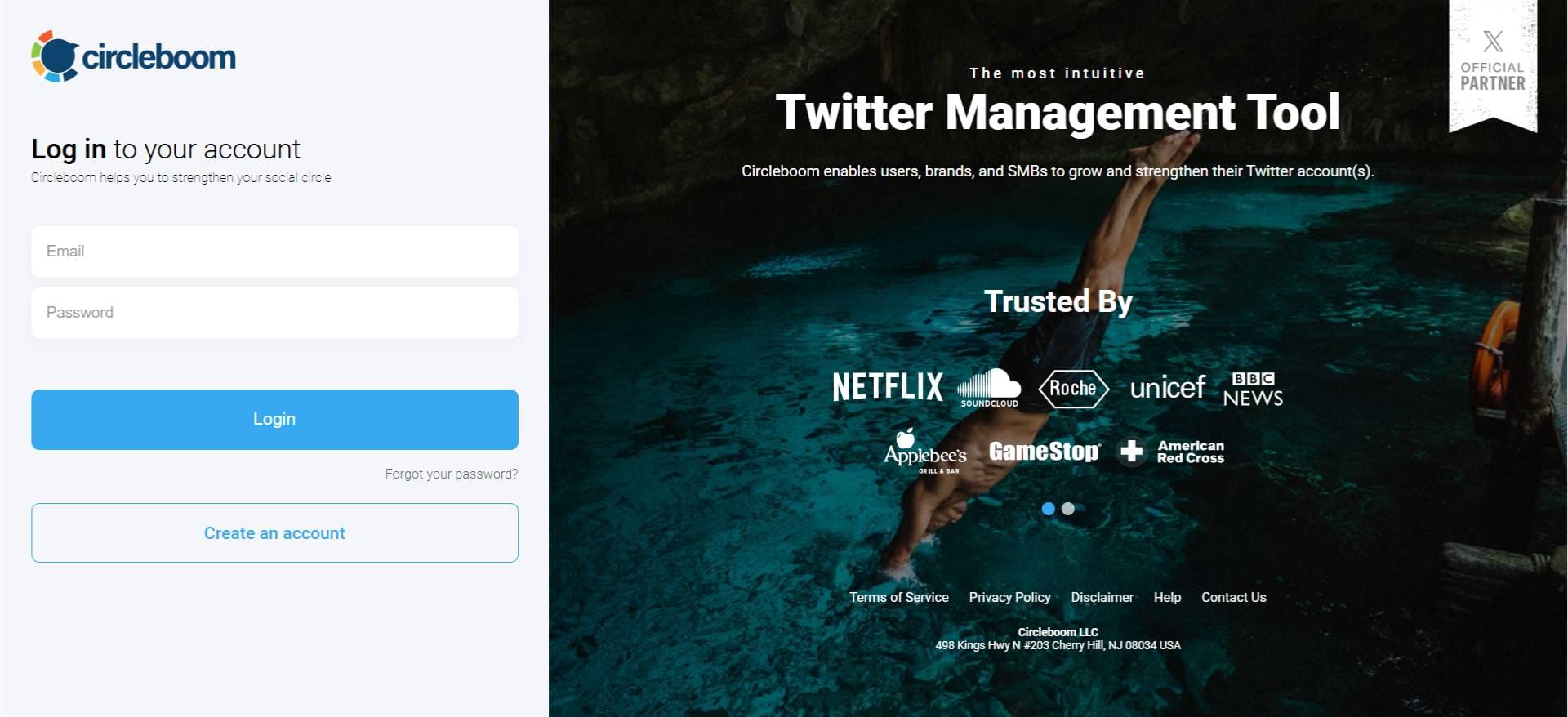
Start from the original campaign tweet so the pool reflects the post people actually entered through. When you log in to Circleboom, open the Giveaway Picker and attach the source URL rather than building the pool from copied names or screenshots.
This matters because growth analysis only works when the campaign data is anchored to the original post. Once that connection is solid, you can review the pool with much more confidence.
Match the entry rules before you look at the names
A strong giveaway filter begins with the rules you already published. If the campaign required a repost, a follow, and a reply, define those same conditions before you evaluate the participants. Do not simplify the filter because the pool is large.
That is the operational version of fairness. It also improves growth quality, because entrants who completed the full path tend to be more intentional than people who brushed past one easy requirement. If you want a second signal for whether the account is attracting the right kind of audience, you can also track which followers stay after the giveaway once the campaign is over.
If you are a creator on X and want to know about the latest developments regarding the algorithm changes, engagement strategies, payout boosts, etc., you can join Circleboom's X Creator Growth Lab Community and enjoy a free space to learn from and contribute to!
Remove low-quality entrants before the winner is drawn
Filtering is where giveaway growth either becomes strategic or stays cosmetic. Circleboom lets you review the participant pool before the draw, which is the moment to strip out obvious junk and protect the credibility of the result.
This is especially important when your audience has already noticed bot-like entry patterns. If that is happening, it helps to understand how many of your X followers are bots and why bots keep following you on Twitter in the first place. A giveaway can amplify the exact quality problem you were already dealing with.
 Altug Altug
Draw the winner from the pool you actually want to keep
Once the pool reflects the published rules and the obvious low-quality noise is gone, the random draw starts meaning something. At that point, the winner is not just random. The winner is random from a participant set that matches the campaign you intended to run.
That difference is why a Twitter giveaway tool supports better growth decisions than manual selection. It turns winner picking into part of audience qualification.
Hands-on demo: how the entry rules and participant filters tighten a noisy giveaway pool before the winner is drawn.
The growth insight most giveaway articles miss
The winner is only one person. The pool teaches you much more than the final result. A Twitter giveaway picker gives you a better read on that pool before you commit to the outcome.
That is the load-bearing insight most giveaway content misses. A giveaway is not only a promotional event. It is also a brief audience audit. The prize reveals who is attracted to the offer, which entry conditions invite noise, and whether your account is pulling in the kind of followers who will care about your normal content later.
If the post attracts lots of accounts that look weak, generic, or detached from your niche, that is not just a moderation nuisance. It is feedback. It tells you the offer was too broad, the rules were too loose, or the campaign language invited the wrong behavior. If the pool looks healthier and the follow-through is stronger, you learned something useful about your audience fit.
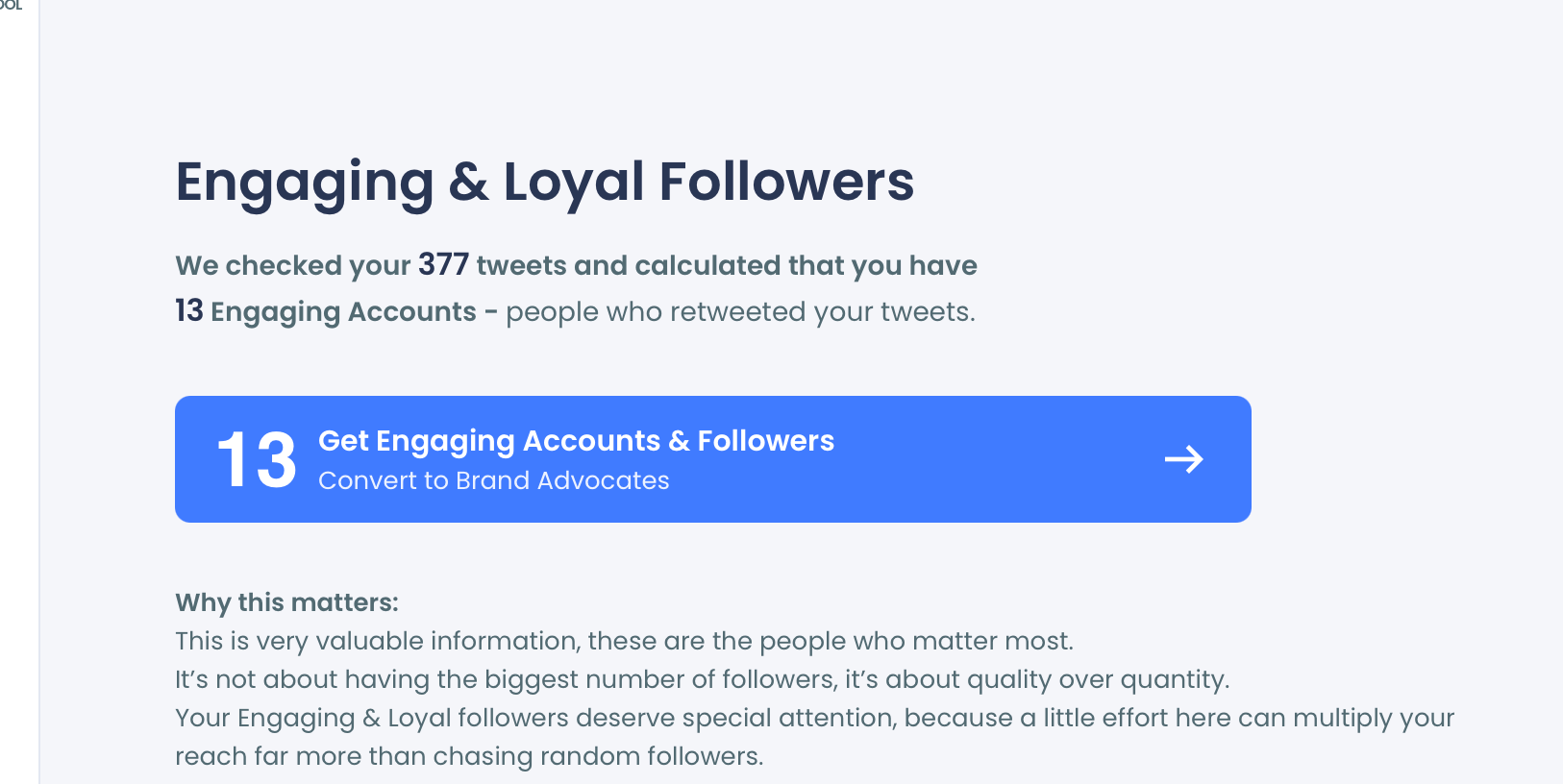
This is why the next-stage analysis matters. Study why random people follow you on Twitter and compare that pattern with what engaging loyal followers on Twitter look like. The point is not to make your giveaway smaller. The point is to make it sharper.
What a clean entry pool changes after the giveaway ends
A clean pool changes retention, comment quality, and the credibility of your next campaign.
Retention improves because the campaign stops over-optimizing for temporary entrants. Comment quality improves because the rules make more sense to the audience you actually want. Credibility improves because your result post is easier to defend when the winner came from a pool you were willing to stand behind before the draw even happened.
There is also a practical team benefit here. When you run giveaways repeatedly, filtering gives you a standard. The account stops treating every promotion like a one-off experiment. You begin to learn what prize sizes, entry rules, and pool-cleaning steps produce the right kind of participation.
That discipline lines up with X's promotion guidelines, which recommend discouraging multiple-account abuse and repetitive duplicate posting. Good giveaway growth is not just louder. It is cleaner.
Your next move
If your goal is better followers rather than just more entrants, use this decision path:
- If the prize is broad and cheap, tighten the entry requirements.
- If the pool looks noisy, filter before drawing.
- If the winner announcement sparks doubt, improve the proof you share.
- If the follower spike vanishes, rethink the audience fit instead of blaming the randomizer.
That is why a Twitter giveaway winner picker belongs inside your growth workflow, not only at the end of it. The cleaner the pool, the more useful the giveaway becomes.

Common Questions About Entry Quality
Should I always remove low-quality accounts before a draw?
Yes, if the giveaway rules and your campaign goals make those accounts a poor fit. Filtering before the draw is cleaner and easier to defend than rerolling after the audience objects to the winner.
Does filtering make the giveaway less fair?
No, as long as the filters reflect the published rules and are applied consistently. Fairness improves when the pool matches the campaign instead of drifting away from it.
How do I know whether the giveaway attracted the right followers?
Look at who stayed and who engaged after the prize was gone. That is why post-campaign tracking matters more than raw entry volume.
What if my giveaway gets lots of entries but weak retention?
Treat that as a targeting problem, not a celebration. The campaign may have bought attention, but it did not necessarily attract the audience your account needs.
Meta Description: Twitter giveaway picker helps Circleboom clean the entrant pool on X, filter low-quality accounts, and turn giveaway growth into stronger follower quality.