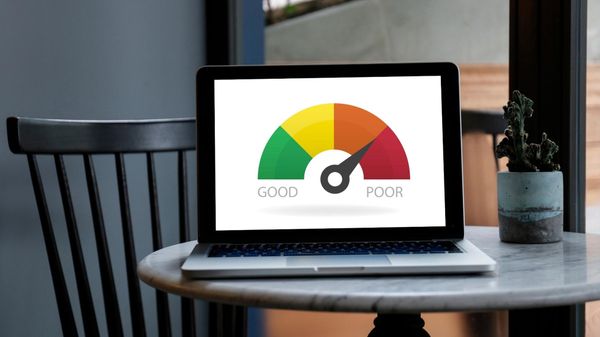
Your X score is a single 0-to-100 number that estimates how much the platform trusts your account and how far your posts travel. An X score checker reads your account metrics and returns that number, a named rank, and an estimate of how many of your tweets stay eligible for distribution.
What is an X score, and how do you check it?
An X score is a reputation and engagement rating from 0 to 100 that reflects account age, follower quality, verification, safety status, and average engagement. Circleboom's X score checker rates any Twitter account on that scale and assigns a rank from the real metrics behind the profile.
→ X score checker
What an X Score Actually Measures
An X score is X's version of a credit rating for accounts. The concept traces to Tweepcred, a reputation value built into Twitter's ranking system. It became public when the platform open-sourced its recommendation algorithm on GitHub, where the reputation logic sits in the code as a weighted, PageRank-style calculation over the follower graph.
PageRank is the same family of math that ranked early web pages by which other pages linked to them. Applied to accounts, it means your score depends on who follows and engages with you, not just how many people do. A follow from a high-reputation account carries more weight than a follow from a dormant one.
The number matters because it gates reach. Two accounts with the same follower count can have very different scores, and the higher-scoring one gets more of its posts placed in front of people who do not already follow it. Raw follower count alone hides that gap, which is why a dedicated score is more honest than a vanity metric.
Circleboom's engagement calculator turns scattered signals into one figure. It weighs your follower count, following count, tweet count, join date, verification, shadowban and label status, and your average likes, retweets, and replies, then places the result on a 0-to-100 gauge. You can check your X score with a connected account for the most accurate reading or by entering the numbers by hand.
What the Number Means: From Emerging User to Elite Influencer
The score only helps if you know what each range implies. Circleboom maps your number to one of five named ranks, so a bare "40" becomes a position you can act on:
- Emerging User for new or low-signal accounts still building history.
- Active Contributor for accounts posting steadily with modest engagement.
- Rising Star for accounts gaining traction and eligible for wider distribution.
- Expert Voice for accounts with strong authority in their niche.
- Elite Influencer for accounts the algorithm trusts to reach far beyond their followers.
The rank is tied to a reach estimate. At a mid-tier score, the tool reports that only a handful of your recent tweets get considered for distribution per cycle, which explains why posting more often does not always mean being seen more often. The score, not the volume, sets the ceiling.
Picture two accounts side by side. One has 20,000 followers, a third of them inactive, and posts that rarely draw replies. The other has 4,000 highly engaged followers who reply and repost daily. On a raw follower count the first looks stronger, but on the reputation gauge the second often lands a full rank higher, because engagement quality and follower health carry the number. That is the reading a plain follower total will never give you.
A weak score is a diagnosis, not a verdict. It tells you the platform is holding your reach back and points at which input to fix first.
Which Inputs Move Your X Score
Some signals carry more weight than others. Follower quality matters more than follower quantity, so a smaller account full of engaged, credible followers can outrank a large account padded with bots. The inputs that move the number most:
- Account age and history, since older accounts carry more trust context.
- Follower quality, where engaged and high-reputation followers lift you and fake ones drag you down.
- Verification and safety status, including shadowban or temporary-label flags.
- Average engagement, meaning your typical likes, retweets, and replies per post.
Verification and safety status can swing the number sharply. A temporary label or a shadowban acts like a penalty applied on top of your other signals, so an account with healthy engagement can still sit low if a visibility flag is active. That is why the checker asks about both, rather than judging you on engagement alone.
If you want the mechanics behind reach, the hidden X algorithm and tweepcred breaks down how visibility is decided in 2026.
For the reputation value on its own, what tweepcred is and why it matters covers the score in depth and how each input feeds the final figure.
Video walkthrough: how a Twitter account quality score renders on a live gauge and what each band signals about reach.
How to Read Your Score in Circleboom
Reading your score takes under a minute. Open the free Tweepcred Calculator and pick your method. Connect your X account for the most accurate figure, or choose Enter manually and type in the ten metrics yourself.
- Open the X score checker and choose Connect your X or Enter manually.
- Provide your metrics, either from the connected account or by entering follower, following, tweet, and engagement numbers.
- Read the gauge, which returns your 0-to-100 score, your rank, and a distribution estimate.
- Save or share, downloading the result or posting it to X.
Because Circleboom is an official X Enterprise Developer, the connected reading pulls your real numbers through sanctioned access, with no scraping and no risk to your account. That is the difference between a safe reading and a tool that quietly puts your login at risk. For a broader read on account health, pair the score with your X account analytics.
Is a Free X Score Checker Accurate?
A free X score checker is accurate enough to guide decisions, and the connected method is the most reliable of the two. Connecting your account lets the tool read verified metrics instead of estimates, which tightens the result. The manual method is still useful for hypothetical scenarios or a quick estimate when you would rather not connect.
Treat the number as a comparative signal rather than an absolute truth. Reputation depends on your niche and goals, so the score works best as a baseline you improve over time and re-check, not a final grade. The trend after cleanup and better engagement tells you more than any single reading. A closely related Twitter Quality Score view adds another lens on the same account health.
It also answers a question native X analytics does not. The built-in dashboard shows impressions and engagements after the fact, but it never tells you why one post reached far and another stalled. A reputation score works upstream of those numbers, estimating the ceiling your account operates under before a single post goes out. Read together, the score explains the pattern your analytics only records.
The Bottom Line
An X score turns follower count, account age, verification, safety flags, and engagement into one honest reputation figure, and the rank tells you exactly where you stand. Knowing the number is the first move toward more reach, because you cannot raise a score you have never measured. If your impressions have flattened, how influence distribution on Twitter is calculated explains what the score is really controlling.
Start with the number, then work the inputs. See where your account rates right now.
Common Questions About Your X Score
What is a good X score?
A good X score sits in the upper half of the 0-to-100 range, where most of your tweets stay eligible for distribution. Anything in the Rising Star band or above signals the algorithm is comfortable pushing your posts beyond your existing followers.
Can I check my X score without connecting my account?
Yes. Choose Enter manually in Circleboom's checker and type in your follower, following, tweet, and engagement numbers. It gives a fast estimate, though connecting your account produces the most accurate reading.
Does a low score mean I am shadowbanned?
Not necessarily. A shadowban is one input among several, alongside account age, follower quality, and engagement. A low score flags that something is limiting your reach, and the tool's inputs help you find whether a visibility flag or weak engagement is the cause. If you suspect a flag, see your total impressions on X first to confirm the drop is real.
How often should I re-check my score?
Re-check after any meaningful change, such as removing fake followers, deleting weak tweets, or a stretch of stronger engagement. The score is most useful as a trend line. If your number keeps sliding despite steady posting, whether Twitter reduced organic reach for smaller accounts is worth reading.