
Starting a blog used to feel like a complicated technical project. Today, it’s surprisingly accessible but that doesn’t mean it’s easy to grow a blog that actually makes money. Many blogs fail not because of bad writing, but because of poor strategy.
If I had to start over today with zero traffic and zero audience, my goal would be simple: build a blog that earns $1000/month as quickly as possible while creating helpful content people genuinely want to read.
In this guide, I’ll walk you through exactly how I would start a blog in 2026, the platforms I’d use, how I’d choose a niche, how I’d get traffic, and the specific strategies I’d use to turn a new blog into a small but reliable income stream.
Whether you’re a blogger or content creator, this roadmap will help you avoid common mistakes and build a blog with real potential.
Table of Contents
- Why Blogging Still Works in 2026
- Step 1: Choose a Smart Blog Niche
- Step 2: Pick the Right Blogging Platform
- Step 3: Set Up a Blog the Right Way
- Step 4: Plan SEO-Friendly Content
- Step 5: Write Blog Posts That Rank
- Step 6: Promote Blog Posts on Social Media
- Step 7: Use Pinterest for Blog Traffic
- Step 8: Monetize Your Blog
- Step 9: Grow to $1000/Month
Why Blogging Still Works in 2026
Some people believe blogging is dead. The reality is the opposite.
Blogging today is part of a larger content ecosystem that includes:
- search engines
- social media
- newsletters
- communities
- video platforms
Search engines still drive massive traffic to helpful content, and blogs remain one of the best ways to capture that traffic.
The key difference today is that blogging works best when it’s strategic and multi-platform.
Instead of relying only on Google, successful bloggers also promote their content through social media, newsletters, and platforms like Pinterest.
 Arif Akdogan
Step 1: Choose a Smart Blog Niche
The biggest mistake new bloggers make is choosing a niche that’s too broad.
If I were starting a blog today, I would focus on a specific audience problem.
Good niche examples:
- blogging for beginners
- productivity for creators
- AI tools for small businesses (This man claims that he tried 500+ AI tools and picked the best ones for small businesses)
- side hustles for freelancers
- Pinterest marketing for bloggers
A niche works best when it sits between:
- Your interests
- Audience demand
- Monetization potential
Before starting, I would ask:
- Do people search for this topic?
- Can I write at least 50–100 articles about it?
- Are there affiliate products or services related to it?
 Fatih Kemal Oksuzoglu
If the answer is yes, it’s a good niche.
Step 2: Pick the Right Blogging Platform
The platform you choose matters more than people think.
If I were starting today, I would choose self-hosted WordPress.
Why?
Because it gives you:
- full ownership of your content
- flexibility with plugins
- strong SEO capabilities
- monetization freedom
Other platforms like Medium or Substack can work, but they limit how you grow and monetize your audience.
A WordPress blog also allows you to expand later with:
- newsletters
- digital products
- membership areas
- online courses
Think of your blog as your content headquarters.
Step 3: Set Up a Blog the Right Way
The technical setup is easier than most people think.
Here’s the simple process:
1. Buy a Domain Name
Choose something that is:
- short
- easy to remember
- related to your niche
Examples:
- CreatorGrowth.com
- SmartBloggingTips.com
- ContentCreatorGuide.com
2. Choose Reliable Hosting
Good hosting ensures your site loads quickly and stays online.
Fast websites rank better and give readers a better experience.
3. Install WordPress
Most hosting providers allow one-click WordPress installation, which means you can have your blog running in minutes.
4. Choose a Clean Theme
Your theme should prioritize:
- readability
- speed
- mobile friendliness
Avoid overly complex designs, simple blogs often perform best.
Step 4: Plan SEO-Friendly Content
If I wanted to reach $1000/month, I wouldn’t write random articles.
I would build content clusters.
A content cluster is a group of related articles around one main topic.
Example cluster:
Main topic: how to start a blog in 2026
Supporting articles:
- best blogging platforms for beginners
- how to write your first blog post
- how to get blog traffic
- blogging SEO tips
- blog monetization strategies
This structure helps search engines understand your expertise and improves rankings.
I would also focus heavily on long-tail keywords, because they are easier to rank for.
Examples:
- how to start a blog in 2026
- how to start a blog with no money
- blogging tips for beginners
- how to grow blog traffic
These keywords bring targeted readers who are actively searching for solutions.
Step 5: Write Blog Posts That Rank
SEO content doesn’t have to feel robotic.
In fact, the best-performing blog posts are helpful, clear, and easy to read.
Here’s how I structure blog posts:
- Clear introduction
- Helpful subheadings
- Short paragraphs
- Practical examples
- Actionable advice
A typical post should include:
- 1500–2500 words
- clear headings
- keyword usage in titles and sections
- useful insights readers can apply immediately
Search engines prioritize helpful content, so focus on solving real problems.
Step 6: Promote Blog Posts on Social Media
Publishing a blog post is only half the job.
Promotion is where most traffic actually comes from.
One of the easiest ways to grow blog visibility is by sharing your content across multiple social media platforms.
Instead of manually posting every article, many bloggers use automation tools.
For example, Circleboom helps bloggers distribute their content across different social channels efficiently.
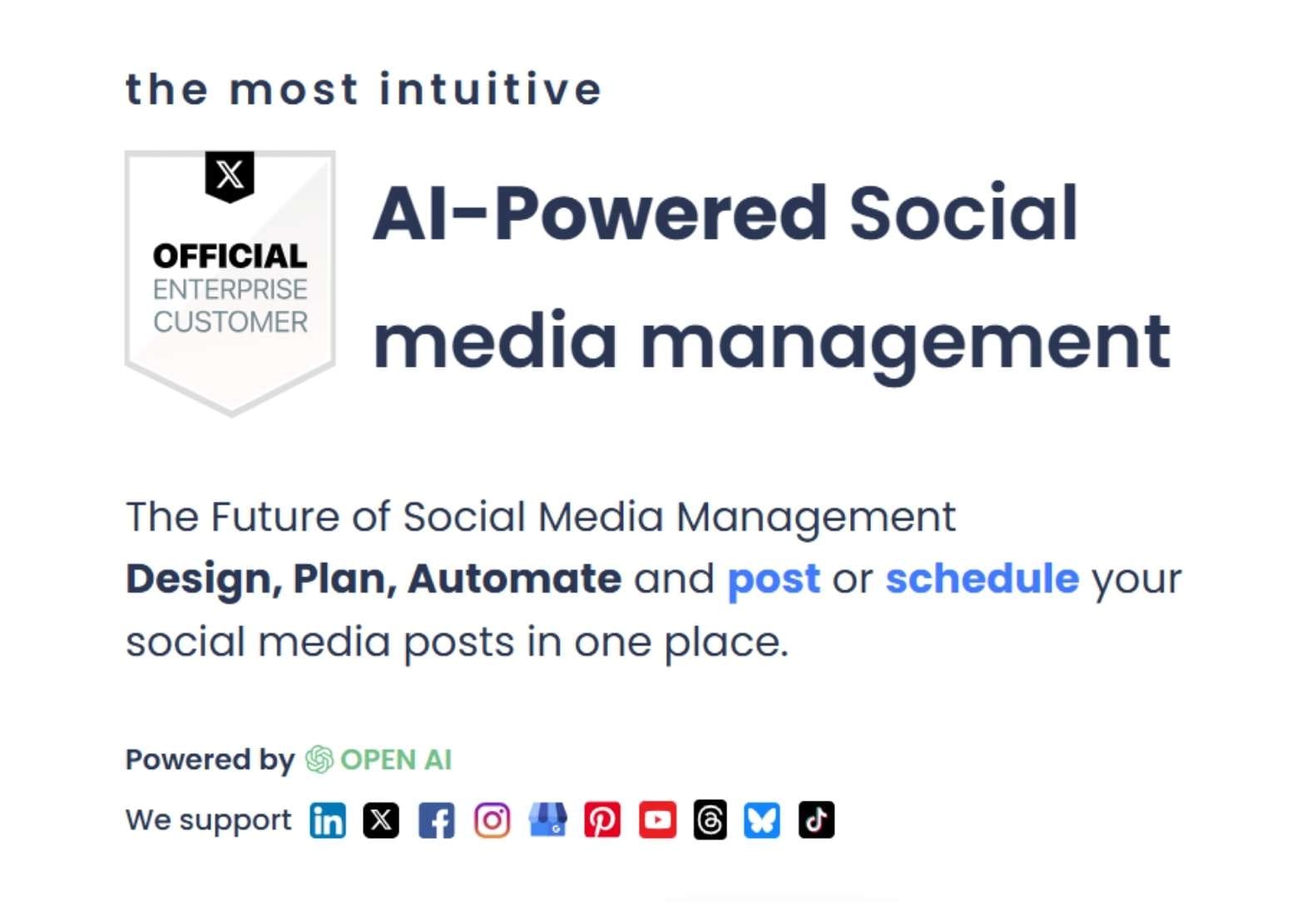
Using tools like this can save time and ensure your content reaches a wider audience.
Circleboom’s RSS Feed Automation feature allows bloggers to automatically share new posts to their social media accounts. This means every time you publish a new article, it can be distributed instantly to your social profiles.
If you want to learn more about driving blog visitors through social platforms, this guide explains how to get website traffic from Pinterest:
 Arif Akdogan
Automating promotion allows you to focus more on creating great content instead of constantly managing social media posts.
Step 7: Use Pinterest for Blog Traffic
Pinterest is often overlooked, but it can be a major traffic source for bloggers.
Unlike traditional social media posts that disappear quickly, Pinterest content can generate traffic for months or even years.
Many successful bloggers use Pinterest to drive thousands of visitors to their websites.
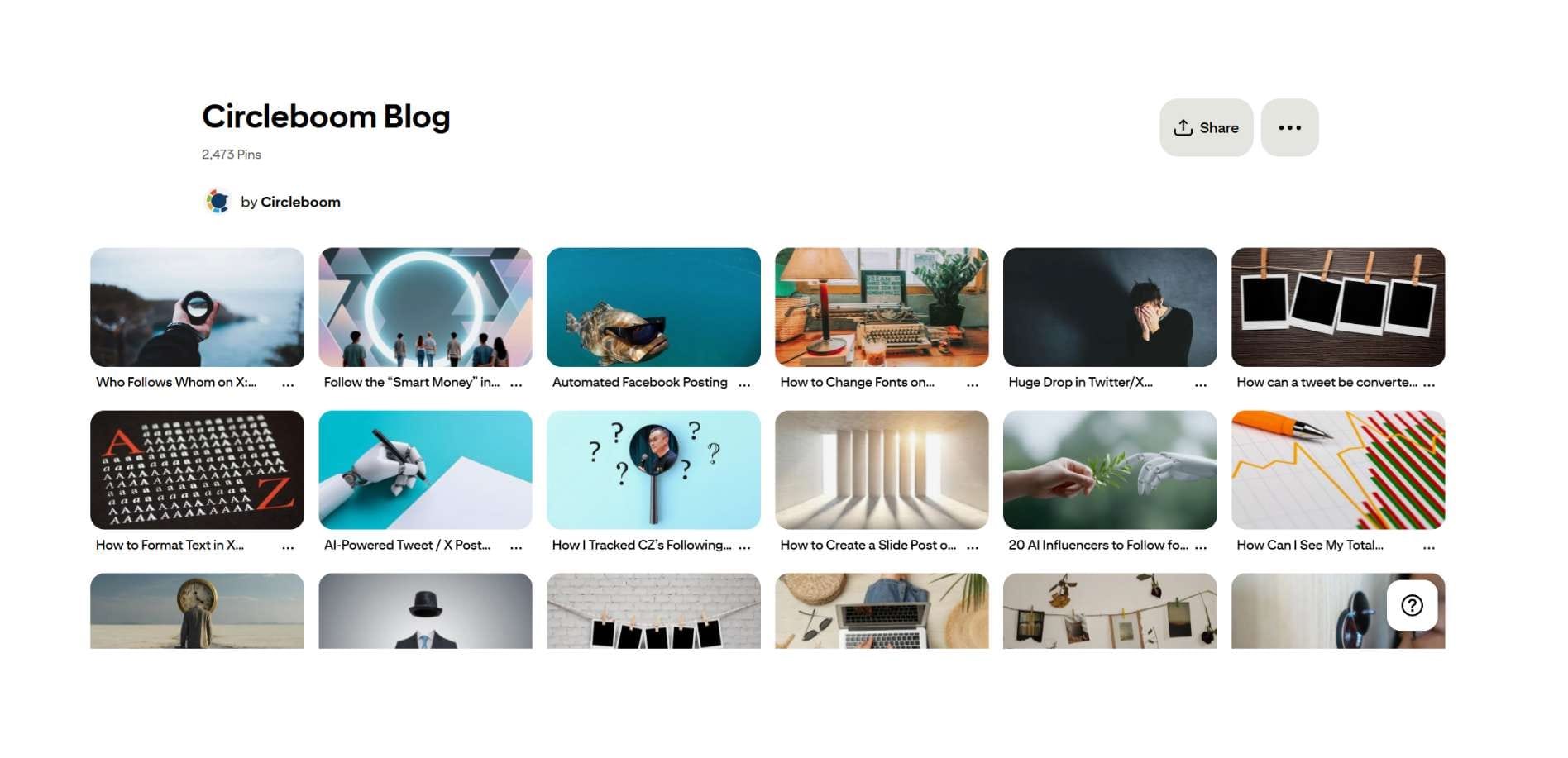
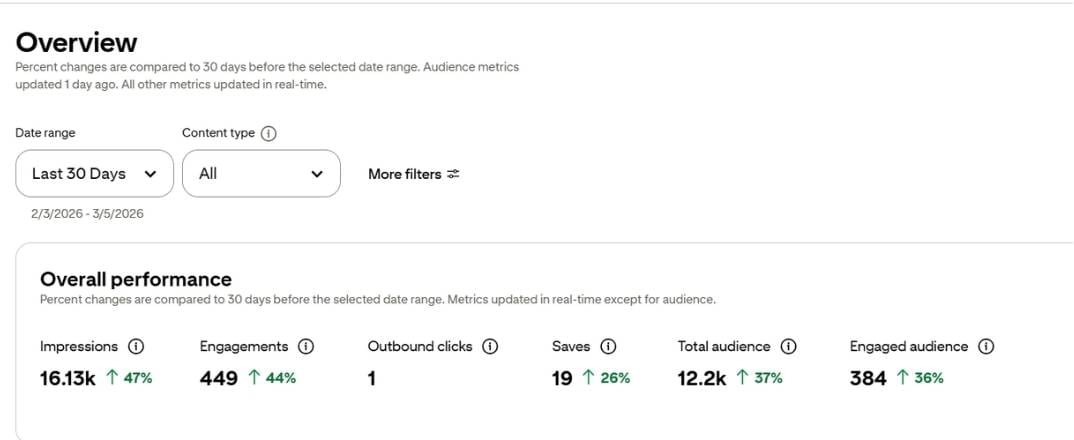
Circleboom uses Pinterest as a source of blog traffic.
For the last 30 days, 16.13k impressions!
Pinterest works especially well for niches like:
- blogging tips
- personal development
- productivity
- DIY
- food
- travel
- lifestyle
To succeed on Pinterest:
- Create visually appealing pins
- Use keyword-rich descriptions
- Link pins directly to blog posts
- post consistently
Combined with automation tools and social sharing strategies, Pinterest can become a powerful traffic engine.
 Arif Akdogan
Step 8: Monetize Your Blog
Once your blog begins receiving traffic, you can start earning money.
There are several reliable monetization strategies.
Affiliate Marketing
This is one of the easiest ways for beginners.
You promote useful products and earn a commission when readers purchase through your links.
Popular affiliate categories include:
- software tools
- online courses
- blogging tools
- digital products
Display Ads
Advertising networks pay bloggers for website views.
Popular options include:
- Google AdSense
- Mediavine
- AdThrive
Ads work best once your blog reaches 10k–50k monthly visitors.
Digital Products
Many bloggers eventually create their own products such as:
- ebooks
- templates
- online courses
- guides
These often produce the highest income.
 Altug Altug
Step 9: Grow to $1000/Month
Reaching $1000 per month usually requires consistent traffic and content.
If I were starting today, my plan would look like this:
Month 1–2
- publish 10–15 blog posts
- optimize SEO
- set up Pinterest and social sharing
Month 3–6
- reach 30–50 articles
- begin affiliate monetization
- grow traffic from Pinterest and Google
Month 6–12
- publish 80–100 articles
- expand affiliate content
- launch a small digital product
With consistent effort, many bloggers reach $1000/month within the first year.
Frequently Asked Questions
Is blogging still profitable in 2026?
Yes. Blogging remains profitable when combined with SEO, social media promotion, and smart monetization strategies.
How long does it take to make money from blogging?
Most blogs take 6–12 months before generating consistent income.
Do I need technical skills to start a blog?
No. Modern website builders and hosting providers make blog setup very beginner-friendly.
How many blog posts should a new blog publish?
Publishing 30–50 articles in the first several months significantly increases your chances of gaining search traffic.
Can you start a blog with no money?
Yes, but investing in a domain and hosting usually produces better long-term results.
How important is SEO for blogging?
SEO is critical because it helps your content appear in search results and attract long-term traffic.
What is the best blogging platform?
Self-hosted WordPress is widely considered the best platform due to its flexibility and SEO capabilities.
How do bloggers get traffic?
Bloggers typically rely on a mix of:
- search engines
- social media
- email newsletters
How many visitors do you need to make $1000/month?
Many blogs reach $1000/month with 20k–50k monthly visitors, depending on monetization strategies.
Conclusion
If I were starting a blog today, my focus wouldn’t be on publishing random content or chasing quick money.
Instead, I would follow a clear strategy:
- choose a focused niche
- build a WordPress blog
- publish helpful SEO content
- promote posts on social platforms
- leverage Pinterest for traffic
- monetize through affiliates and products
Blogging success doesn’t happen overnight, but with the right approach, it can grow into a reliable income stream and creative outlet.
For bloggers and content creators willing to stay consistent, starting a blog in 2026 can still be one of the most rewarding ways to build an online presence.