
Choosing a Twitter (X) username sounds simple until you actually try to do it.
You type an idea.
It’s taken.
You add numbers.
Still taken.
You add underscores.
Now it looks spammy.

If you’re searching for “how to choose a Twitter username”, you’re likely in one of two situations:
- you’re new to X and creating your first account, or
- you’re rebranding and need a username that finally fits who you are
In both cases, your username matters far more than most people realize.
This guide will walk you through:
- what makes a good Twitter username
- how different user groups should think about usernames
- username ideas for girls, boys, and niche accounts
- common mistakes to avoid
- how to generate strong username ideas efficiently
- how tools like Circleboom help throughout the process

Why Your Twitter Username Is So Important
Your username is:
- your first impression
- your profile URL
- how people tag and remember you
- how searchable you are
On X, your username often matters more than your display name because:
- usernames are unique
- they appear in replies and mentions
- they’re used in search and recommendations
A good username makes your account memorable, trustworthy, and easy to find.
What Makes a Good Twitter Username?
Before looking at examples, here are the fundamentals.
A strong Twitter username should be:
- easy to read
- easy to spell
- easy to remember
- aligned with your identity or goal
- future-proof (works even if your content evolves)
Avoid usernames that:
- rely on random numbers
- use excessive underscores
- are too long
- look automated or spammy
Step 1: Know Why You’re Choosing a Username
This step is often skipped, and it causes regret later.
Ask yourself:
- Am I here to build a personal brand?
- Is this account for fun, education, business, or community?
- Do I want to stay anonymous or be discoverable?
- Will this account grow or monetize later?
Your answers determine everything that follows.
Username Ideas for Different User Groups
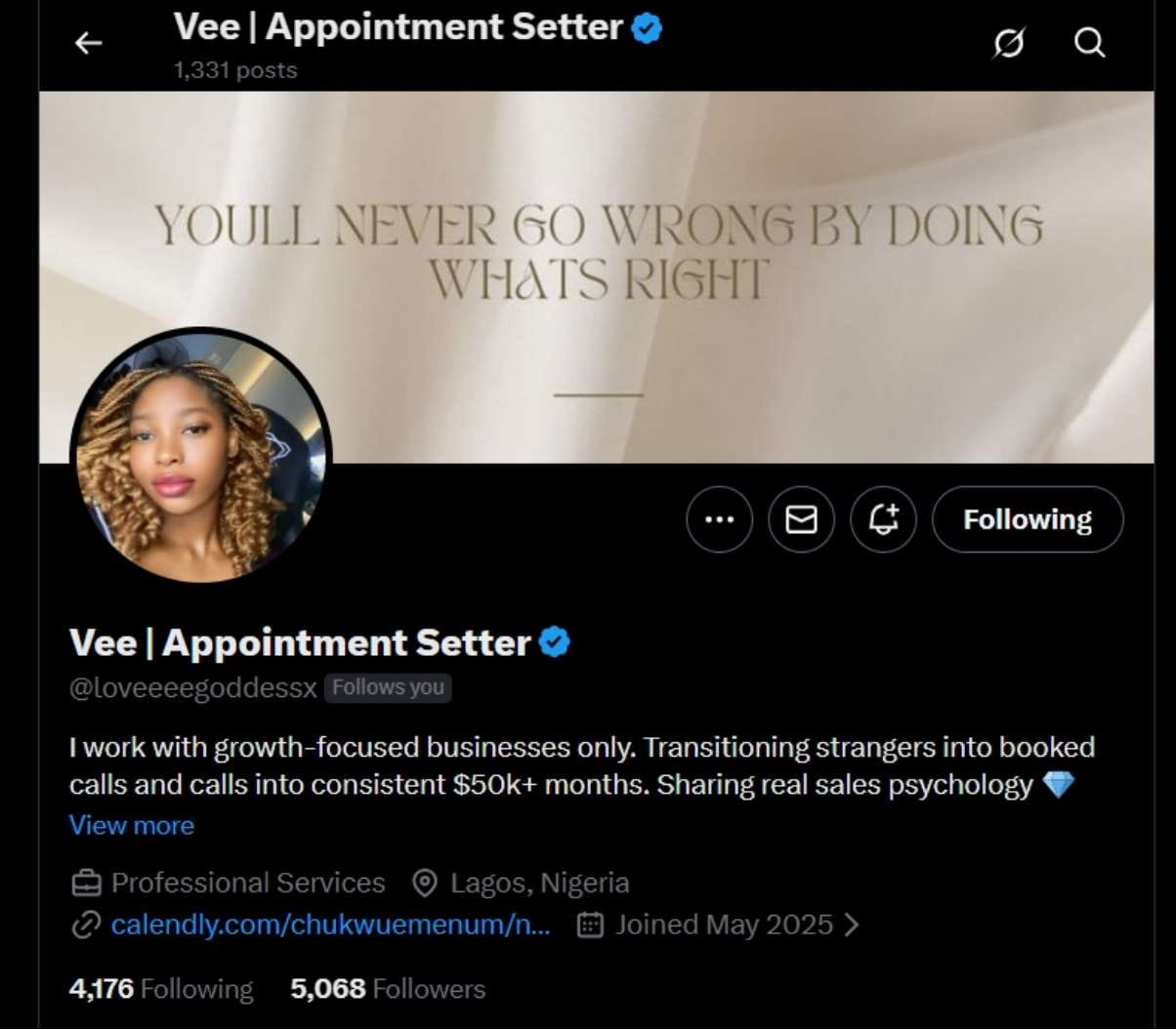
Username Ideas for Girls
Popular styles include:
- soft + creative
- aesthetic
- confident and minimal
Examples (structure-based, not literal):
- name + niche
- adjective + name
- short abstract words
Tips:
- avoid overdecorating with symbols
- choose something that scales if you grow
- prioritize readability
Username Ideas for Boys
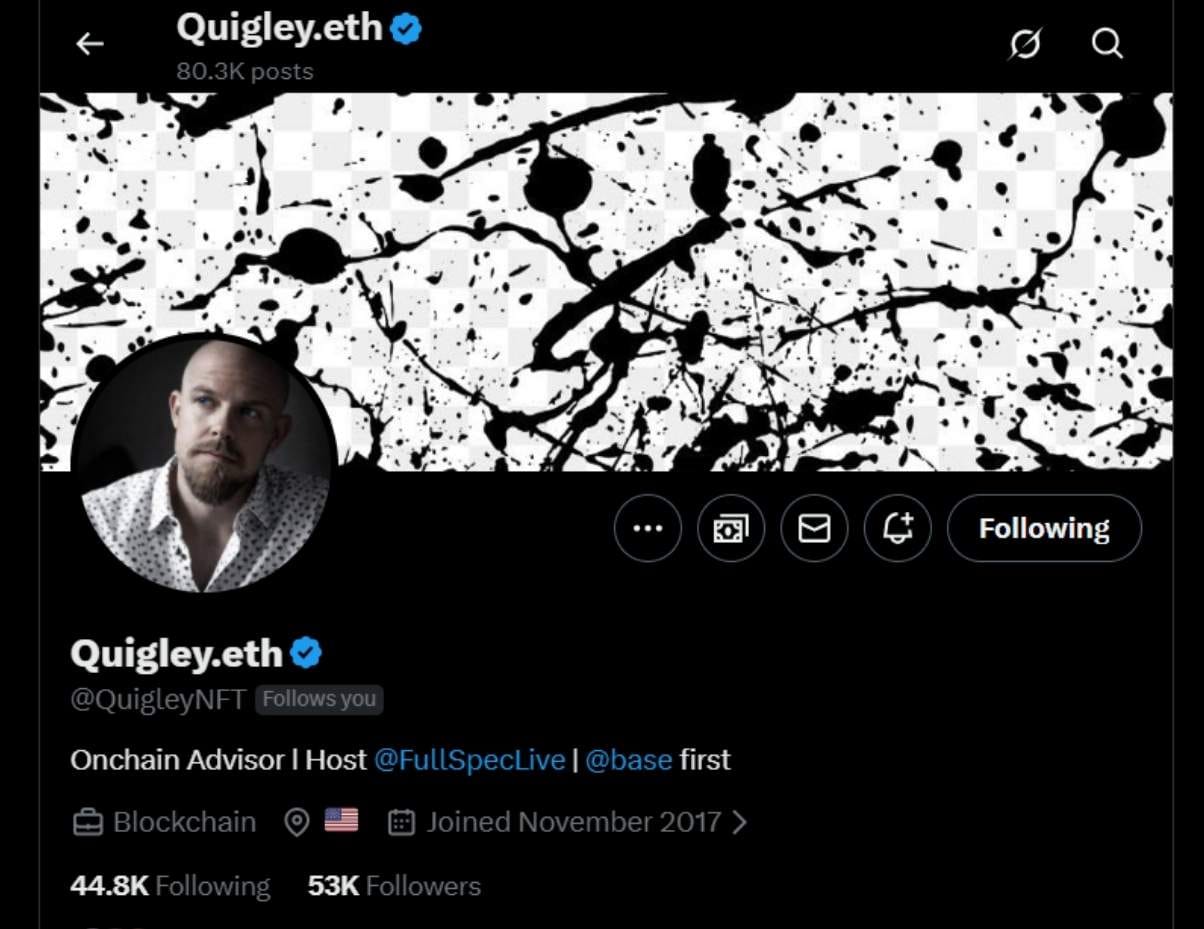
Common styles include:
- clean and direct
- skill-based
- topic-focused
Examples:
- name + expertise
- verb-based usernames
- short strong words
Tips:
- avoid aggressive or edgy terms unless intentional
- keep it professional if monetization is a goal
Username Ideas for Creators & Influencers
Creators should think long-term.
Your username should:
- work across platforms
- support brand deals
- sound credible in mentions
Best approaches:
- real name (if available)
- name + niche
- brandable made-up words
This is where username testing and variations matter.
Username Ideas for Businesses & Brands
For brands, clarity beats creativity.
A good brand username:
- matches the business name
- avoids confusing abbreviations
- doesn’t lock you into one product
Businesses often regret usernames that:
- are too clever
- hide what the brand does
- are hard to spell
Username Ideas for Anonymous / Theme Accounts
If anonymity matters:
- choose concept-based usernames
- avoid personal identifiers
- focus on topic authority
Ambiguity can slow discovery. Clear signals help the algorithm and the audience understand what the account is about.
Common Twitter Username Mistakes
Avoid these at all costs:
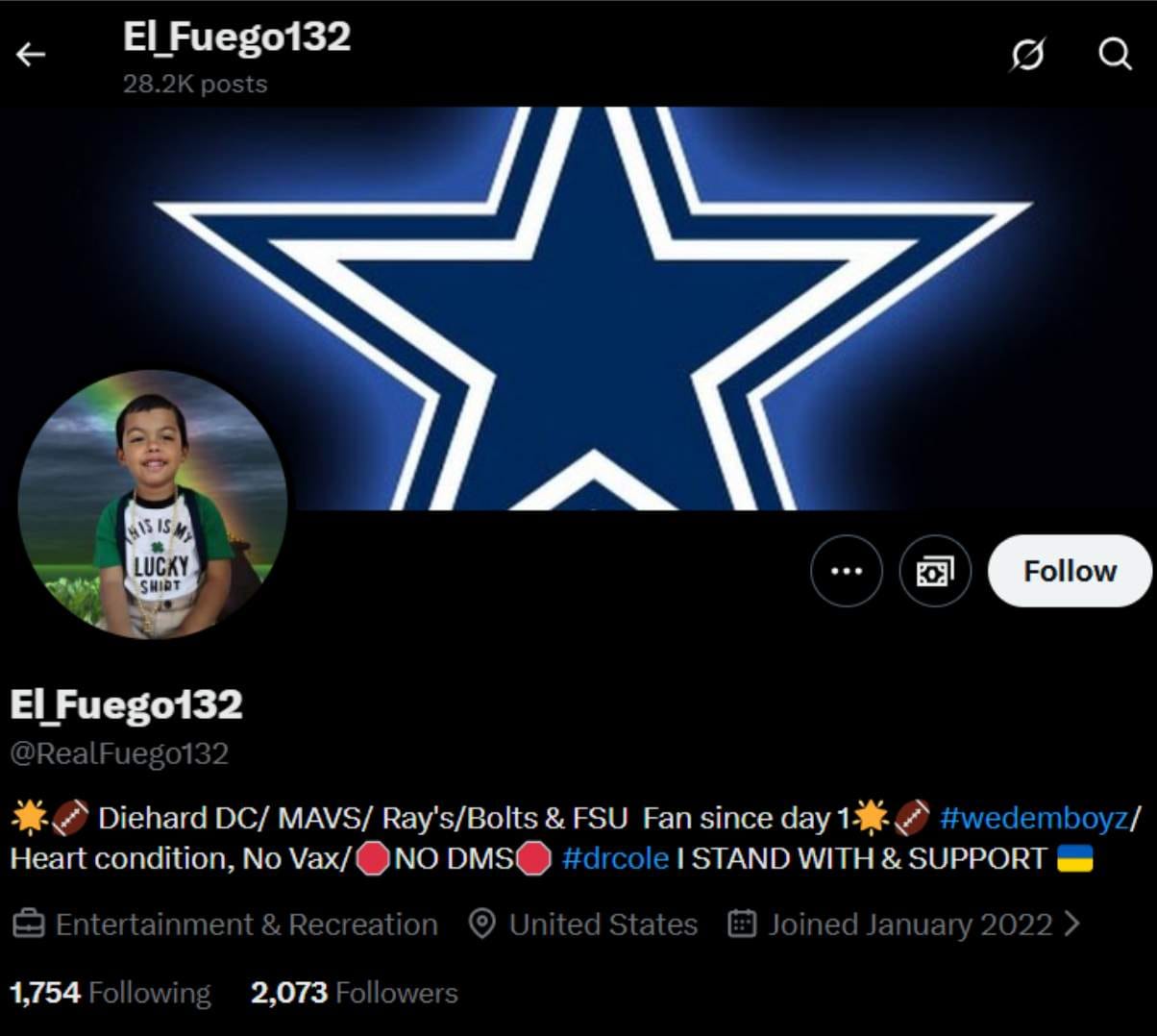
- adding “123”, “official”, or “real”
- copying another creator’s name closely
- using outdated slang
- choosing something you’ll outgrow
Rebranding later is possible, but costly.
How to Generate Twitter Username Ideas Efficiently
Manually brainstorming usernames is slow and frustrating.
This is where tools like Circleboom fit naturally into the process.
Circleboom offers a Twitter Username Generator that helps users:
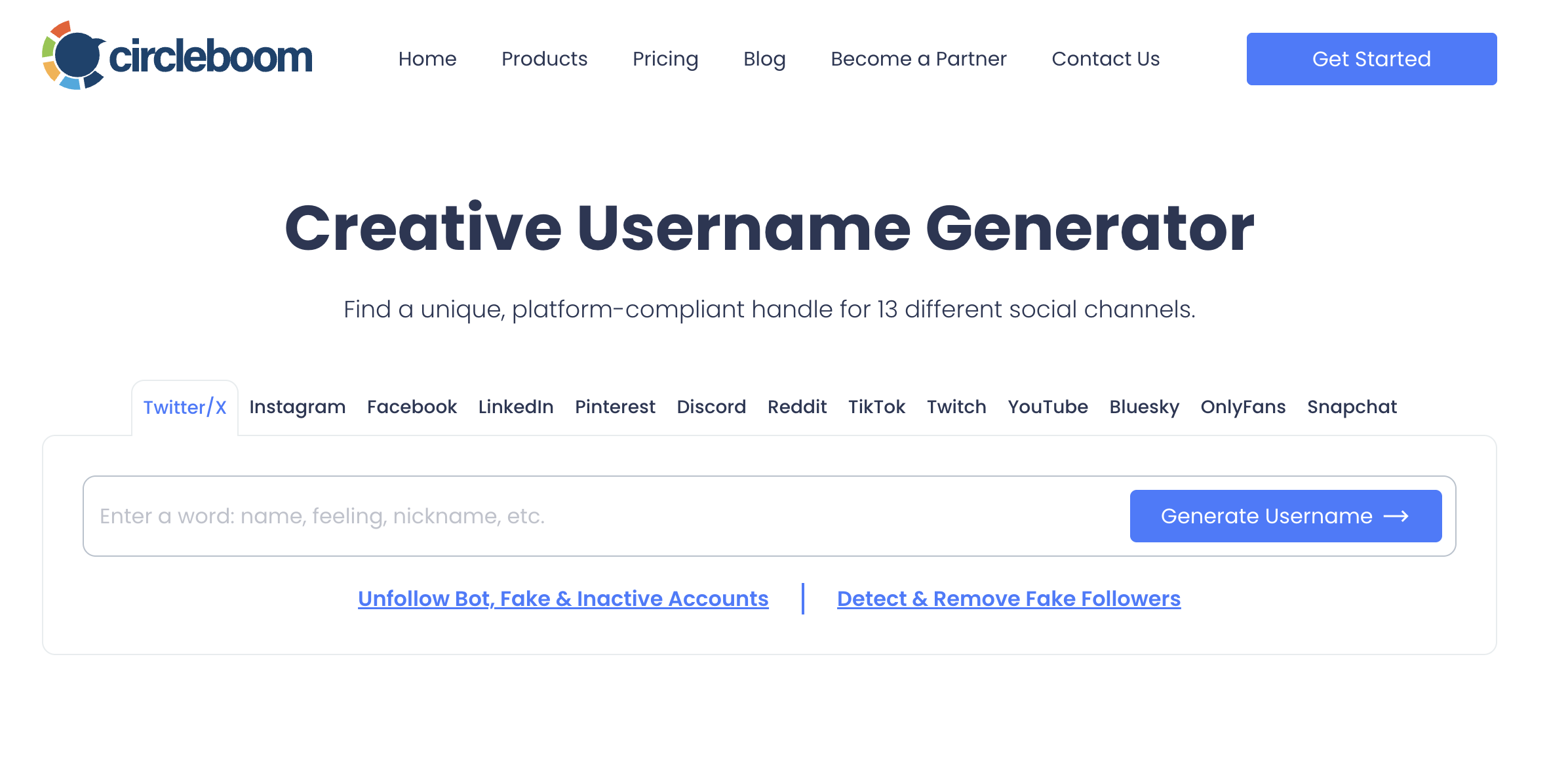
Step #1: Go to the Twitter Username Generator
Open the Circleboom Free Twitter Username Generator on your browser. Then enter a keyword, niche, or style that represents your Twitter identity.
You can type anything such as:
- “tech”
- “crypto”
- “design”
- “marketing”
- your brand name
- your personal name
- or a vibe like aesthetic, minimal, bold, funny, etc.
Step #2: Let the AI Generate Unique Twitter Username Ideas
The tool instantly produces dozens — sometimes hundreds — of creative username ideas. Choose one from the generated list.
The generator automatically removes unavailable usernames, so every option you see is ready to use on Twitter, no more trial and error.
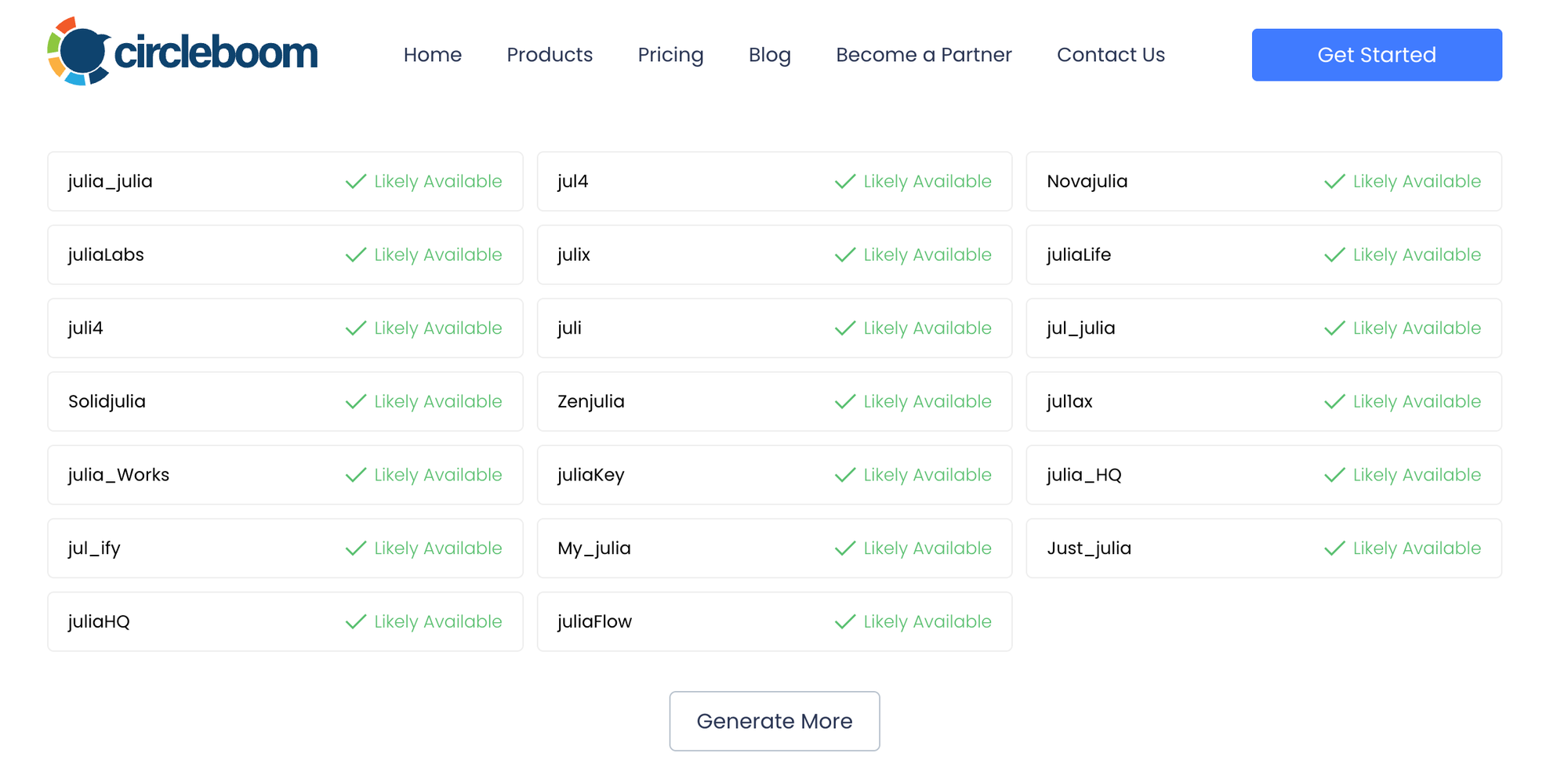
When you find the one you like, simply copy it.
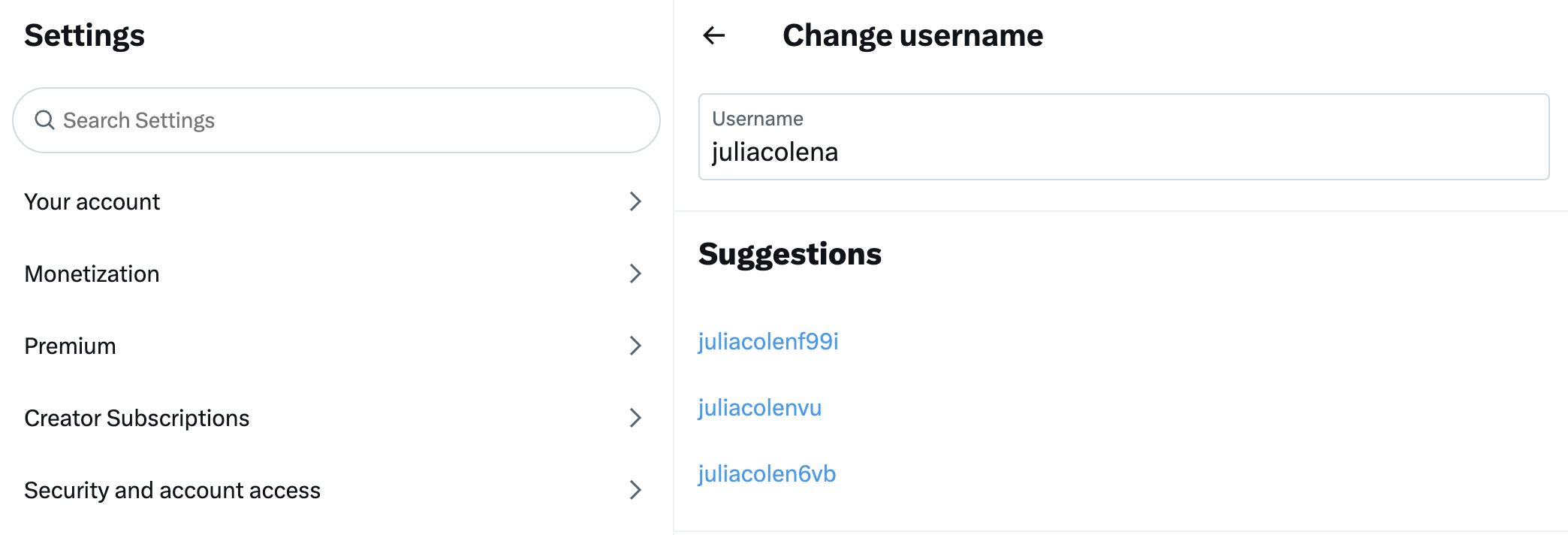
Step #3: Paste It on Twitter
Use your new username while creating a fresh Twitter (X) account or when updating the username of your existing profile.
- generate relevant username ideas instantly
- explore variations without guesswork
- find available usernames faster
- match usernames with niches or keywords
Instead of guessing endlessly, you can test ideas systematically.
Tips for New Twitter Users Choosing a Username
If you’re new:
- don’t overthink perfection
- choose clarity over cleverness
- think 6–12 months ahead
- leave room to grow
A “good enough” username today is better than no account at all.
Final Thoughts: Your Username Is a Foundation
Choosing a Twitter username isn’t just a setup step.
It’s a foundation decision.
The right username:
- reduces friction
- improves discoverability
- supports growth
- strengthens credibility
Whether you’re starting fresh or rebranding, taking the time to choose intentionally and use the right tools can save you months of regret.
Once your username is set, everything else becomes easier.
FAQ: How to Choose a Twitter Username
Should I use my real name on Twitter?
If you’re building a personal brand, yes—if available.
Can I change my Twitter username later?
Yes, but rebranding can temporarily reduce recognition.
Are numbers in usernames bad?
They’re not forbidden, but they often reduce credibility.
How do I know if a username is available?
You must check availability. Username Generators help speed this up.
What if all my ideas are taken?
Use structured variations or generators instead of random numbers.