A tweet draw is a winner-selection process for a Twitter giveaway, where one or more participants are chosen at random from the population of eligible accounts based on defined participation rules (likes, retweets, replies, or follows).
Circleboom Twitter's Giveaway Picker handles the entire workflow: it collects all eligible participants from the tweet's verified engagement data, applies any filters you set, runs a randomized winner selection, and outputs a result that can be shared publicly for transparency. The whole process runs through authorized X Enterprise API access, so the participant data is complete and the selection is verifiable.
Circleboom Twitter's Giveaway Picker runs a tweet draw in five operational pieces: paste the giveaway tweet URL, define participation conditions (like / retweet / reply / follow), apply optional filters (follower count, account activity, bot filtering), let the system collect eligible participants automatically, and trigger the random winner selection. The result is a fair, transparent winner pick with a shareable result image.
→ Run a tweet draw with a random winner
The rest of this guide explains why manual selection fails, how the participation rules work, and what makes the selection actually verifiable.
Why Manual Winner Selection Is a Trust Problem
The naive approach to a tweet giveaway is to scroll through replies, pick someone who looks legit, and announce them as the winner. This approach has two structural problems that compound: it's slow, and it's invisible to participants.
The slowness is a tactical issue. A giveaway with 500 replies takes a long time to scroll through and longer to evaluate. Anyone running giveaways at any cadence runs out of patience for the manual process within a few campaigns.
The invisibility is a strategic issue. Participants can't verify how you picked the winner. Even if the selection was genuinely random, the audience has no way to confirm it. Suspicion fills the gap: some participants will assume you chose your friend, or the account with the most followers, or somebody you'd been DMing with.
The next giveaway gets fewer participants because the audience has updated their model of "this person's giveaways" toward "rigged." Anyone considering how to run a successful Twitter contest has eventually run into the same observation: trust is the most fragile variable, and manual selection erodes it even when the selection is honest.
The Giveaway Picker fixes the invisibility problem. The participant list is collected by the system, the random selection is automated, and the result includes verifiable metadata. Participants can audit the process without taking your word for it.
What Makes a Tweet Draw Verifiable
Four operational pieces make the selection trustworthy.
Participant collection from official data. The system pulls the list of accounts that liked, retweeted, replied, or followed (depending on your rules) directly from the X API. Nothing is sampled, scraped, or filtered by hand. The participant list is the complete set of eligible accounts as the platform records them.
Defined participation conditions before the draw. You set the rules (like-required, retweet-required, reply-required, follow-required, or combinations) before the selection runs. The rules are visible in the giveaway setup; you can't change them mid-draw to favor a specific account.
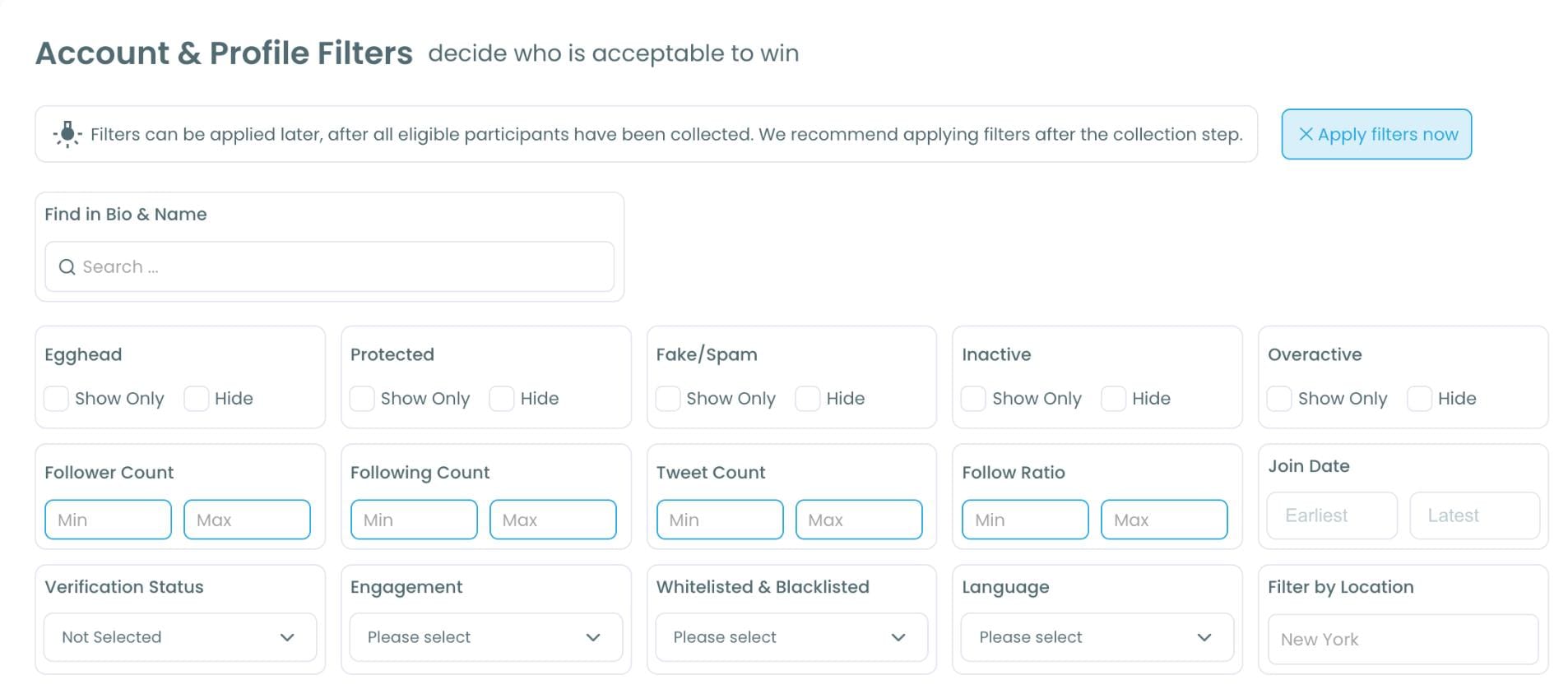
Optional filters that exclude low-quality accounts. Filters for bot detection, low follower counts, or recent account activity remove fake or throwaway accounts from the participant pool. The filters tighten the eligible population to genuine participants, which both improves giveaway quality and reduces accusations of "this account is obviously fake."
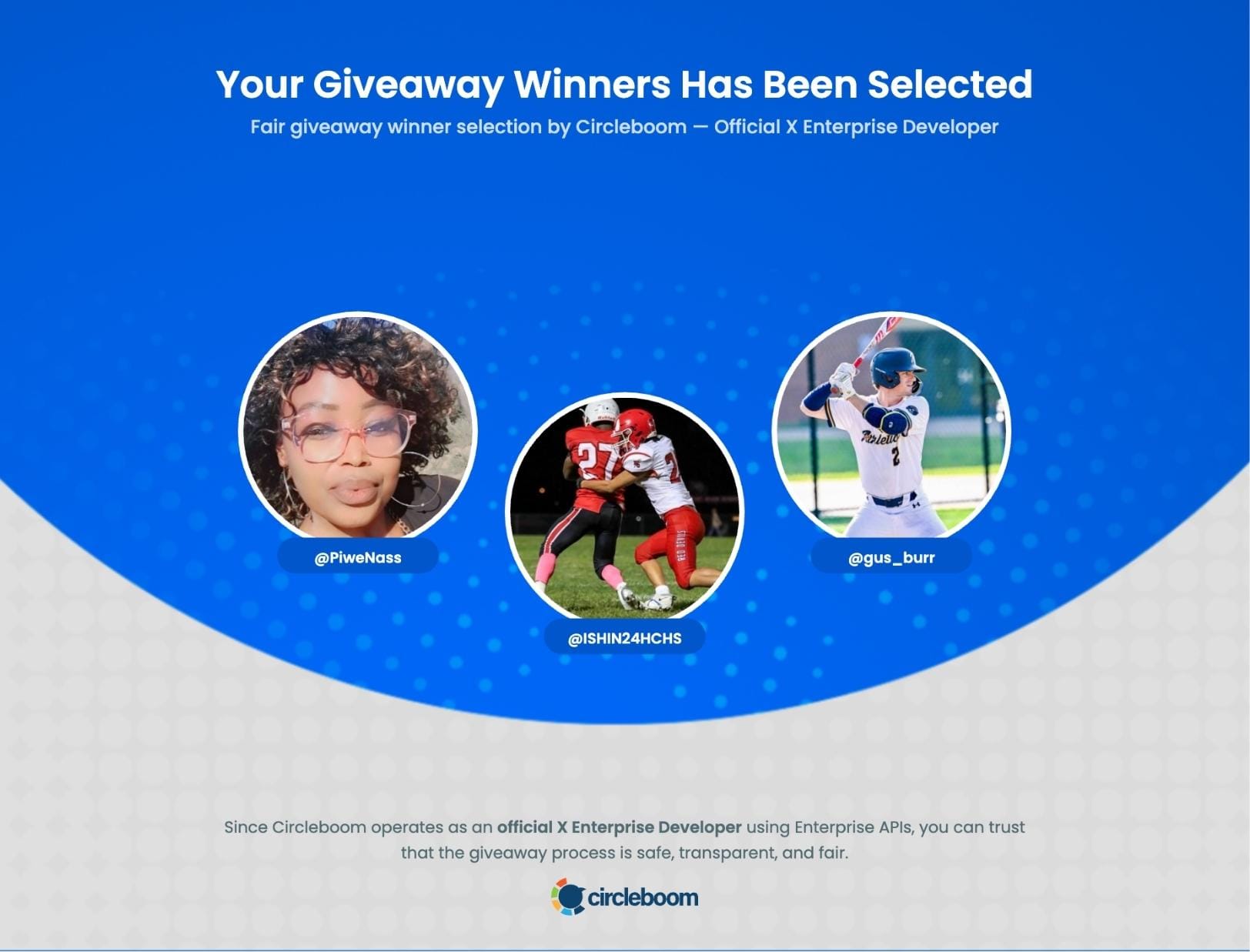
Random winner selection with a result image. The system picks the winner(s) from the filtered eligible list using a randomized algorithm and outputs a result that includes the winning handle and the giveaway parameters. The result image can be posted publicly so the audience sees the winner and the rules together.
Circleboom is listed on X's enterprise customer directory, which is what makes the participant data complete. Lower API tiers may miss accounts that engaged but aren't visible in basic API queries; Enterprise API access exposes the full population.
Video walkthrough: how to choose a Twitter giveaway winner fairly using the Giveaway Picker.
How to Pick a Random Twitter Giveaway Winner
Four steps from login to winner announcement.
Step-by-step tweet draw setup
- Log in to Circleboom Twitter and authorize with official OAuth.
- Open the Essential Toolbox menu from the sidebar.
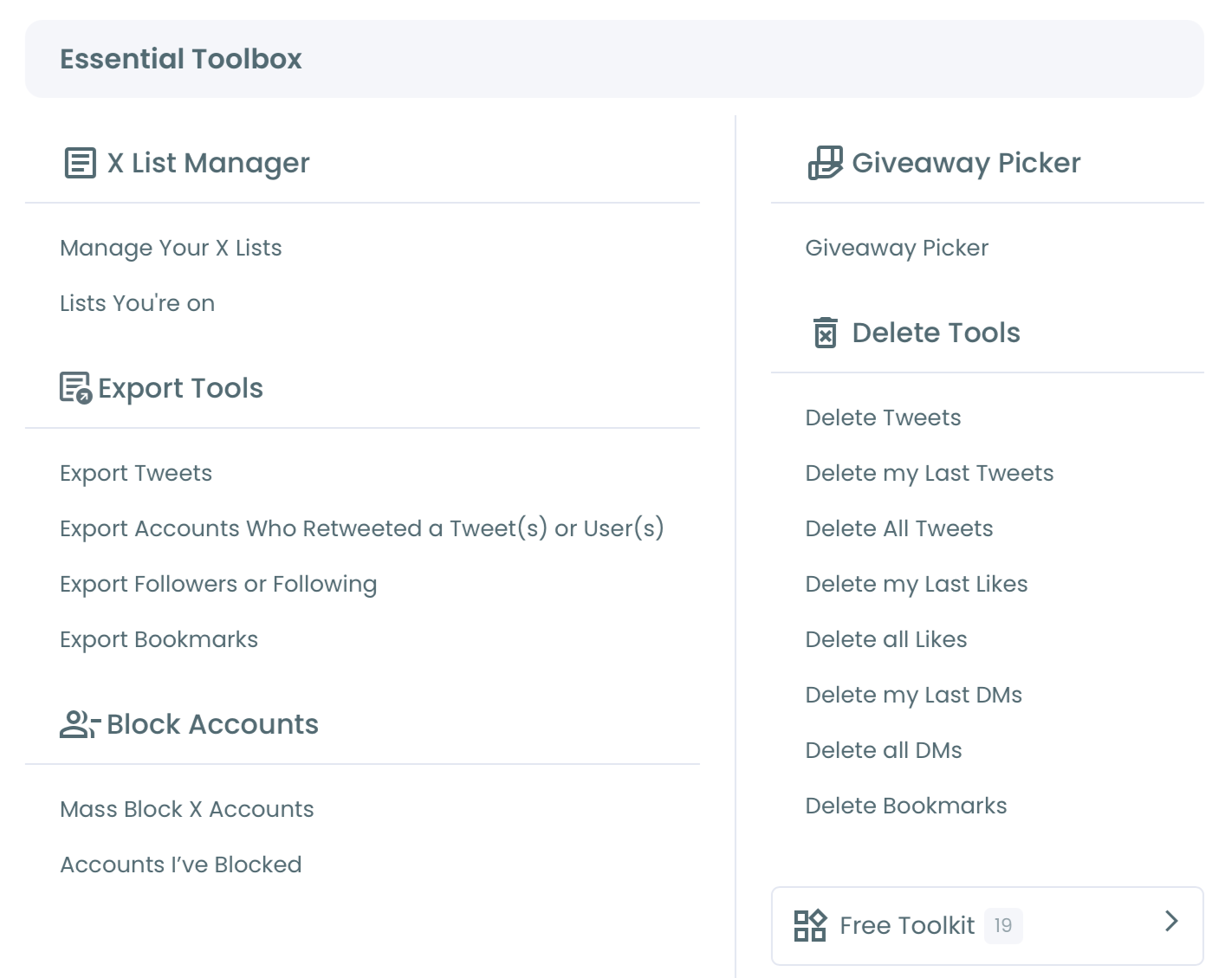
- Select Giveaway Picker, paste the tweet URL of your giveaway, and set the participation conditions (like, retweet, reply, follow, or any combination). Apply optional filters like minimum follower count or bot-detection rules if you want to tighten the eligible pool. Most giveaways combine a retweet requirement with a follow requirement, which is the standard format that drives both engagement and follower growth.
- Trigger the random winner selection and generate the result image. The system displays the eligible participant count, picks the winner(s), and outputs a shareable result. Post the result image in a reply to the original giveaway tweet so the audience sees both the winner and the integrity of the selection. For accounts where giveaways are part of a broader audience strategy, this works well alongside the X Post Planner queue for scheduling the giveaway announcement and result reveal at high-engagement times.
That sequence is the operational core. The setup takes a few minutes; the actual draw runs in seconds; the result post goes up immediately. For accounts running regular giveaways, the setup time per draw drops further after the first run.
What the Participation Conditions Actually Do
Each condition tightens the eligible pool in a specific way and signals a different growth motion.
Like-required is the loosest condition. Anyone who liked the tweet enters; participation friction is minimal. Like-only giveaways tend to maximize entry count but minimize per-entry value, because liking takes no commitment. Use this when you want maximum reach and engagement metrics.
Retweet-required is the most common condition. Retweeting puts the giveaway in front of the participant's followers, which means each entry produces incremental reach for the giveaway itself. Retweet-only or like-and-retweet giveaways drive the strongest distribution of any participation format.
Reply-required adds the highest-quality entries but also reduces total entry count. Replies require composing something, which filters out passive participants. Reply-required giveaways are good when you want engagement-quality data or when the giveaway is tied to a discussion topic.
Follow-required is the explicit growth condition. Entry requires following the host account, which converts giveaway participants into followers. Combined with retweet-required, this is the standard growth-driven giveaway format. Anyone trying to grow an X audience from zero to ten thousand usually runs follow+retweet giveaways as a discrete growth channel.
The combinations matter. A like+retweet+follow giveaway maximizes growth signals but reduces entry count per participant (more friction per entry). A like-only giveaway maximizes entry count but produces softer signals. Most accounts find that retweet+follow is the right default; like-only is for engagement-rate optimization, reply-required is for community-building campaigns.
Polls are an adjacent format worth knowing about; Twitter polls drive engagement differently from giveaways and combine well with giveaway campaigns that need a secondary engagement layer.
The Bottom Line
A tweet draw is only as valuable as it is verifiable. Manual selection is invisible to participants and erodes trust over multiple giveaways even when the selection is honest. Circleboom Twitter's Giveaway Picker turns the selection into a structured, transparent process: complete participant data, defined rules, optional quality filters, randomized selection, and a shareable result image.
The whole workflow runs through authorized Enterprise API access, so the data is platform-verified and the integrity is auditable.
Stop running giveaways where participants have to trust your word about how you picked the winner. Run the draw through the system, share the result publicly, and let the verifiable process build trust across multiple campaigns.
The growth and engagement gains compound when the giveaway audience knows the process is fair. Comparing the engagement signals you generate against your baseline Twitter engagement rate benchmarks confirms that fair, transparent giveaways outperform opaque ones over time.
→ Automate winner selection for tweet contests now
Frequently Asked Questions
How does the random selection actually work?
The system pulls the complete list of accounts that meet the participation conditions, applies any filters you've set, and selects the winner(s) from the resulting eligible pool using a randomized algorithm. The selection is deterministic given the same eligible pool and run timestamp, so the result is reproducible if someone wants to audit it.
Can I filter out fake or low-quality accounts before the draw?
Yes. Filters can exclude accounts based on follower count, account activity, profile completeness, and bot-likelihood signals. These filters tighten the eligible pool to genuine participants, which both improves giveaway quality and removes accusations that the giveaway was rigged toward fake accounts.
What happens if multiple winners are needed?
You can configure the number of winners during setup. The system picks N winners randomly from the eligible pool without replacement, so no account can win multiple prizes in a single draw.
Can I show the giveaway results publicly?
Yes. The system generates a result image that includes the winning handle(s) and the giveaway parameters. Posting this image as a reply to the original giveaway tweet is the standard pattern for visibly fair giveaways.
Is the participant collection complete?
Yes. The data comes through authorized Enterprise API access, which exposes the full population of accounts that engaged with the tweet. Manual scrolling-through-replies misses accounts; the API-based collection doesn't.
How quickly can I run a draw after the giveaway ends?
Immediately. The Giveaway Picker pulls live participant data, so you can trigger the draw the moment the giveaway deadline passes. Most accounts run the draw within a few minutes of the deadline and post the result image while the giveaway is still front-of-mind for participants.