
On X (formerly Twitter), followers are signals.
They show interest, influence, intent, and sometimes even opportunity. That’s why more people are searching for ways to understand who follows whom on X, not just to see numbers grow, but to decode relationships, trends, and audience behavior.
This guide explains how Twitter follower tracking works, why it matters, and how creators, brands, and analysts can track follower activity more effectively.
What Does “Who Follows Whom on X” Really Mean?
At a basic level, it means answering questions like:
- Who followed me recently?
- Who unfollowed me?
- Who does a specific account follow?
- When did these changes happen?
- Are there patterns behind these follow actions?
But at a deeper level, it’s about context.
Followers aren’t just people, they’re:
- potential customers
- early adopters
- investors
- bots or inactive accounts
- competitors watching your moves
 Kevin O. Frank
Understanding who follows whom helps you interpret why engagement changes, how reach evolves, and what opportunities are emerging.
How Twitter/X Lets You Track Followers (And Its Limits)
X provides only basic follower visibility:
- total follower count
- following count
- manual viewing of follower lists
What it does not show:
- who followed you today vs last week
- who unfollowed you
- historical follower changes
- follower quality analysis
- alerts when specific accounts follow someone new
 Kevin Frank
For casual users, that’s enough.
For creators, brands, and analysts, it’s not.
Manual tracking becomes impossible once:
- follower counts pass a few hundred
- you manage multiple accounts
- timing starts to matter
Why Tracking Followers Matters More Than Ever
Follower tracking is no longer vanity, it’s strategy.
1. Growth Analysis
If your follower count stalls or drops, the reason matters more than the number.
- Did inactive accounts leave?
- Did content direction change?
- Did posting frequency affect retention?
2. Audience Quality
10,000 followers means nothing if:
- 30% are bots
- 40% never engage
- only a handful see your tweets
Tracking helps distinguish real growth from inflated metrics.
 Altug Altug
3. Competitive & Market Signals
Watching who influential accounts follow can reveal:
- emerging startups
- rising creators
- upcoming trends
- early-stage interest before announcements
This is especially powerful in tech, finance, crypto, and creator economies.
Catching early signals is a key action you can take to be in advantegous place in the crypto market. For example, if you can track CZ's recent followers and following, you may be ahead of many others in knowing the next collaboration, giveaway, etc.
 Arif Akdogan
The Problem With Manual Follower Tracking
Trying to track followers manually means:
- taking screenshots
 Arif Akdogan
- refreshing lists
- comparing numbers by memory
- missing changes that happen overnight
It’s reactive, slow, and inaccurate.
This is where Twitter follower trackers become essential.
 Kevin O. Frank
How a Twitter Follower Tracker Actually Works
A proper follower tracker:
- records follower snapshots over time
- detects new follows and unfollows
- compares changes automatically
- presents data in a clear timeline
- removes guesswork
Instead of asking “Did someone unfollow me?”, you get answers.
Yes, you can find out if someone has unfollowed you! Circleboom provides real-time data to check who unfollowed you on X!
 Harshita Agrawal
Keep in mind that the API provides a more accurate real-time data stream than the X interface itself. While the platform UI may experience lag, the API captures and reflects new developments instantaneously.
Circleboom has the official Enterpise API, we don't scrape data from X!
Tracking Who Follows Whom with Advanced Tools
This is where platforms like Circleboom fit naturally into the workflow.
Circleboom doesn’t just show numbers, it tracks movement.
With Circleboom, users can:
- see who followed or unfollowed their account
- track follower changes daily
- monitor the following activity of other X accounts
 Arif Akdogan
- receive email reports instead of checking manually
- analyze follower quality (active vs inactive vs low-quality)
This transforms follower tracking from a guessing game into a data-backed process.
Tracking Other Accounts: The “Who Follows Whom” Advantage
One of the most powerful use cases isn’t tracking your own followers, but tracking others.
Creators and professionals use this to:
- monitor competitors
- follow industry leaders
- track VC or investor interest
- spot early signals in communities
For example:
If a venture capital account starts following several founders in the same space within days, that’s rarely random.
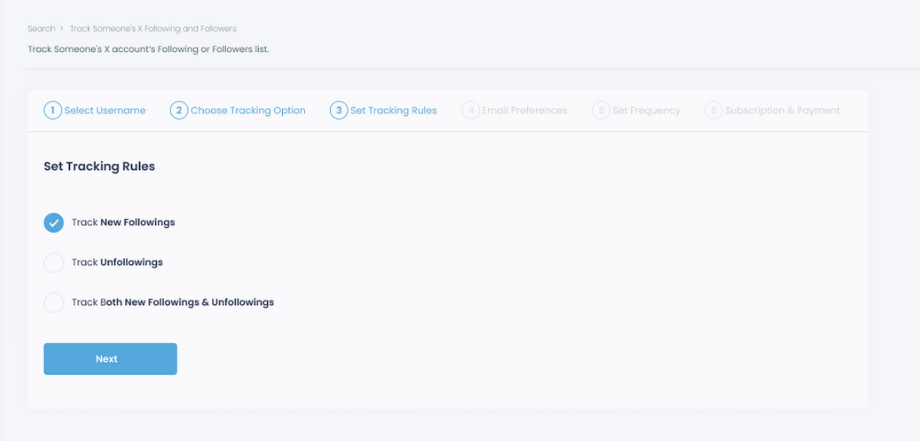
Circleboom enables users to monitor followings of selected accounts and get notified when new follows happen, without manually checking profiles every day.
Why This Matters for Creators and Brands
Follower tracking helps you:
- understand what content attracts real people
- identify when algo changes affect reach
- clean low-quality followers proactively ⬇️
- refine targeting for ads and collaborations
- build a healthier engagement base
Instead of growing blindly, growth becomes intentional.
 Arif Akdogan
Follower Tracking Is About Patterns, Not Obsession
The goal isn’t to watch every unfollow.
The goal is to:
- detect trends early
- spot anomalies
- validate strategies
- protect account health
When follower data is tracked passively and consistently, insights emerge without effort.
Final Thoughts
“Who follows whom on X” is no longer curiosity, it’s intelligence.
X itself shows you the surface.
Follower trackers reveal what’s happening underneath.
When you combine follower tracking with audience analysis and reporting, like what Circleboom offers, you stop reacting to numbers and start understanding behavior.
And on a platform driven by visibility and attention, understanding behavior is everything.