A friend once asked me to help her set up a Facebook Page as a musician. I said sure, thinking it would take five minutes.
It did not.
Between the category picker, the about section, the music links, and figuring out what to actually post every week, there were more small decisions than either of us expected. Most of them are not obvious the first time you sit down to do it.
Already know why a Page matters more than a personal profile? Jump straight to the setup steps.
Why an Artist Page, Not a Personal Profile
Musicians often start on Facebook the same way everyone else does, with a personal profile. It works for a while.
Then the friend requests run out.
A personal profile caps out at 5,000 friends and was never built for public engagement anyway. A Page has no follower limit, gives you access to Insights, lets fans follow you without your approval, and unlocks paid promotion when you are ready for it. If you plan to release music, book shows, or sell merchandise, a Page is not optional.
It is the foundation everything else sits on.
Step 1: Create the Page and Choose the Right Category
From your Facebook account, go to Pages.
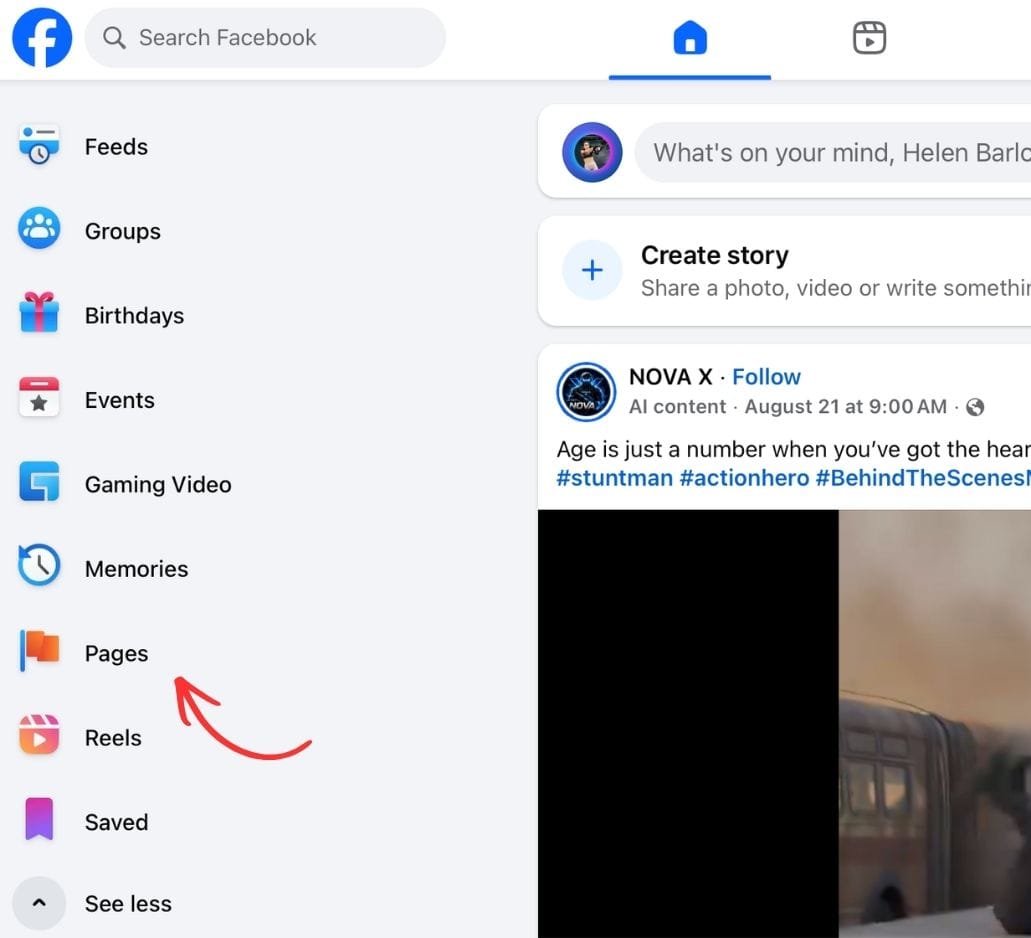
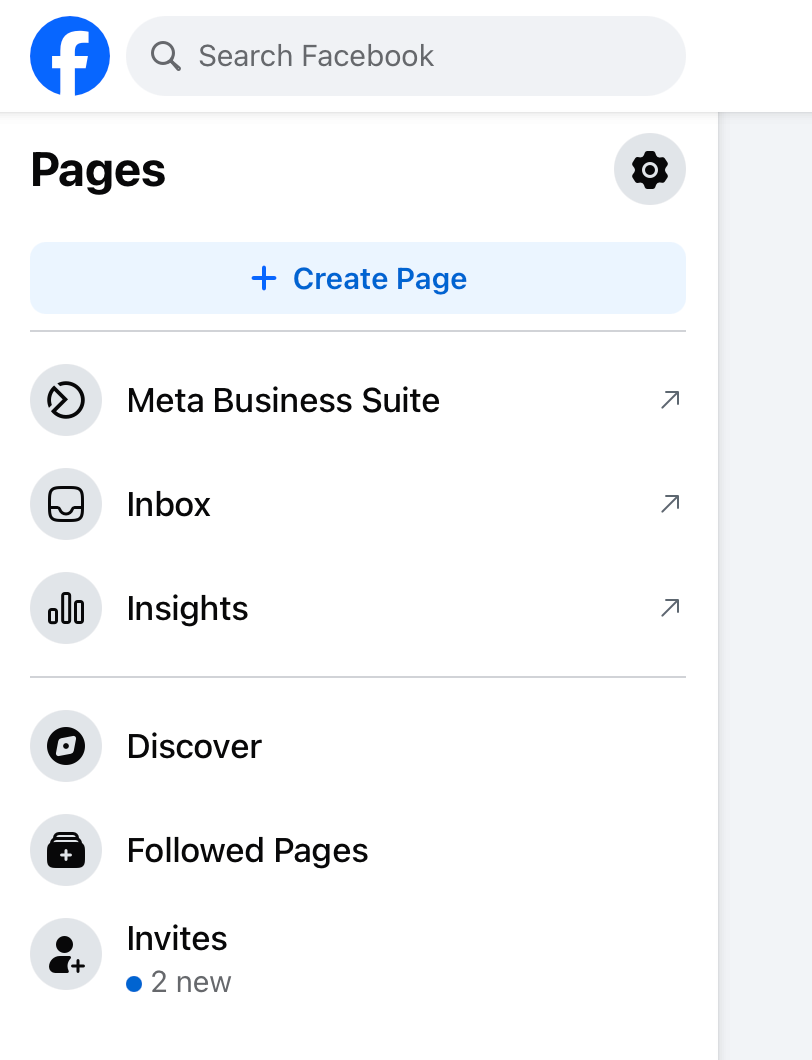
Click Create New Page, and fill in your artist name.
When Facebook asks for a category, search for Musician or Band, not Public Figure and not Local Business.
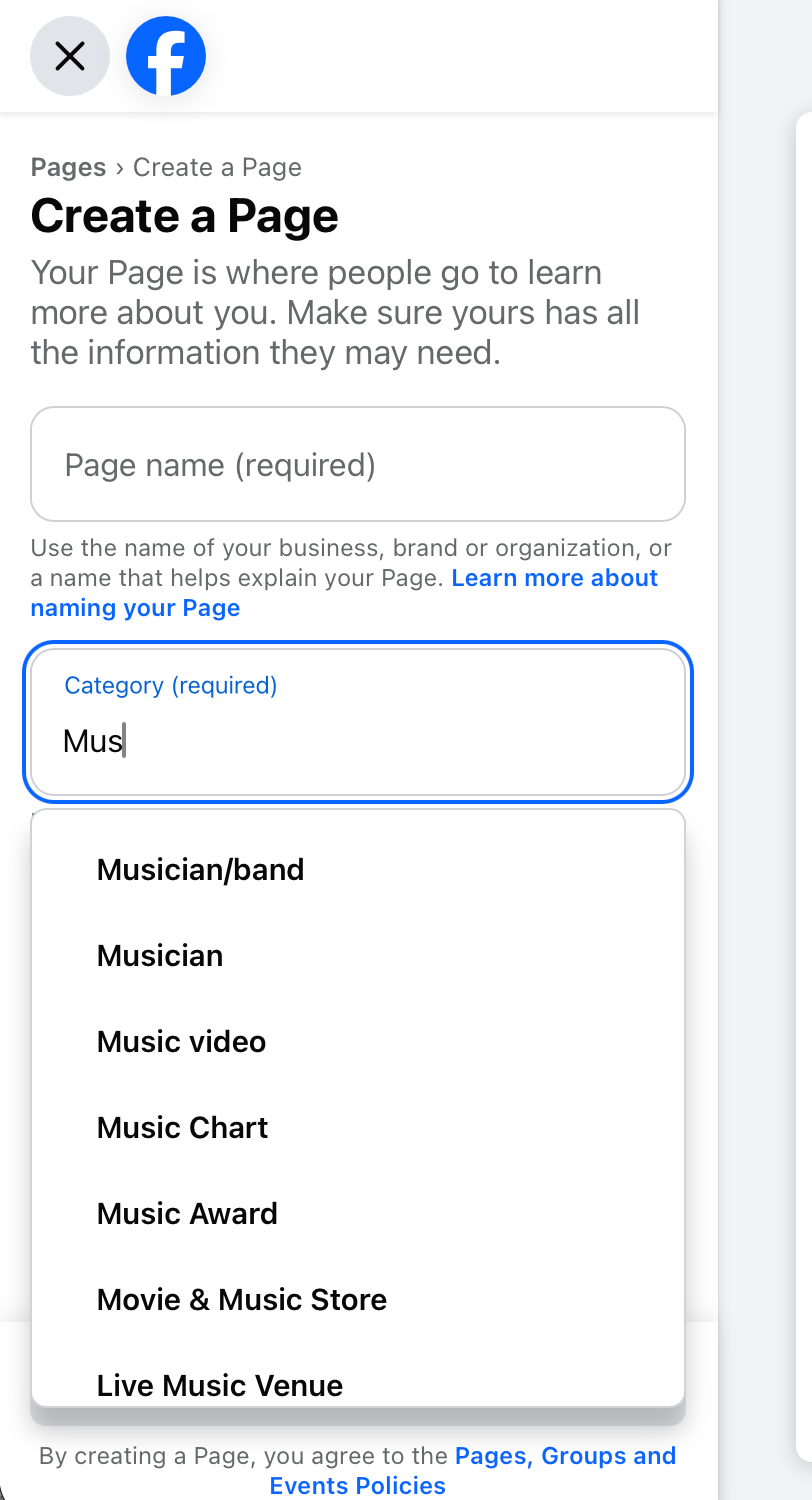
The category shapes which fields Facebook offers you later, like tour dates, music links, and booking contact. A singer songwriter who picks the wrong category often finds herself missing the exact fields fans expect to see.
Step 2: Set Up Your Profile Picture and Cover Photo
Your profile picture should be a clear, recognizable photo or logo, since it is what shows up next to every comment and post you make. Your cover photo has more room to tell a story: a live shot, an album cover, tour dates.

A local band that swaps its cover photo for a new tour flyer every few weeks keeps the Page feeling alive, rather than looking like it was set up once and abandoned.
Step 3: Write an About Section That Actually Says Something
Skip the vague one liner. Fans and, just as importantly, Facebook itself use this section to understand who you are, what genre you play, and where you are based.
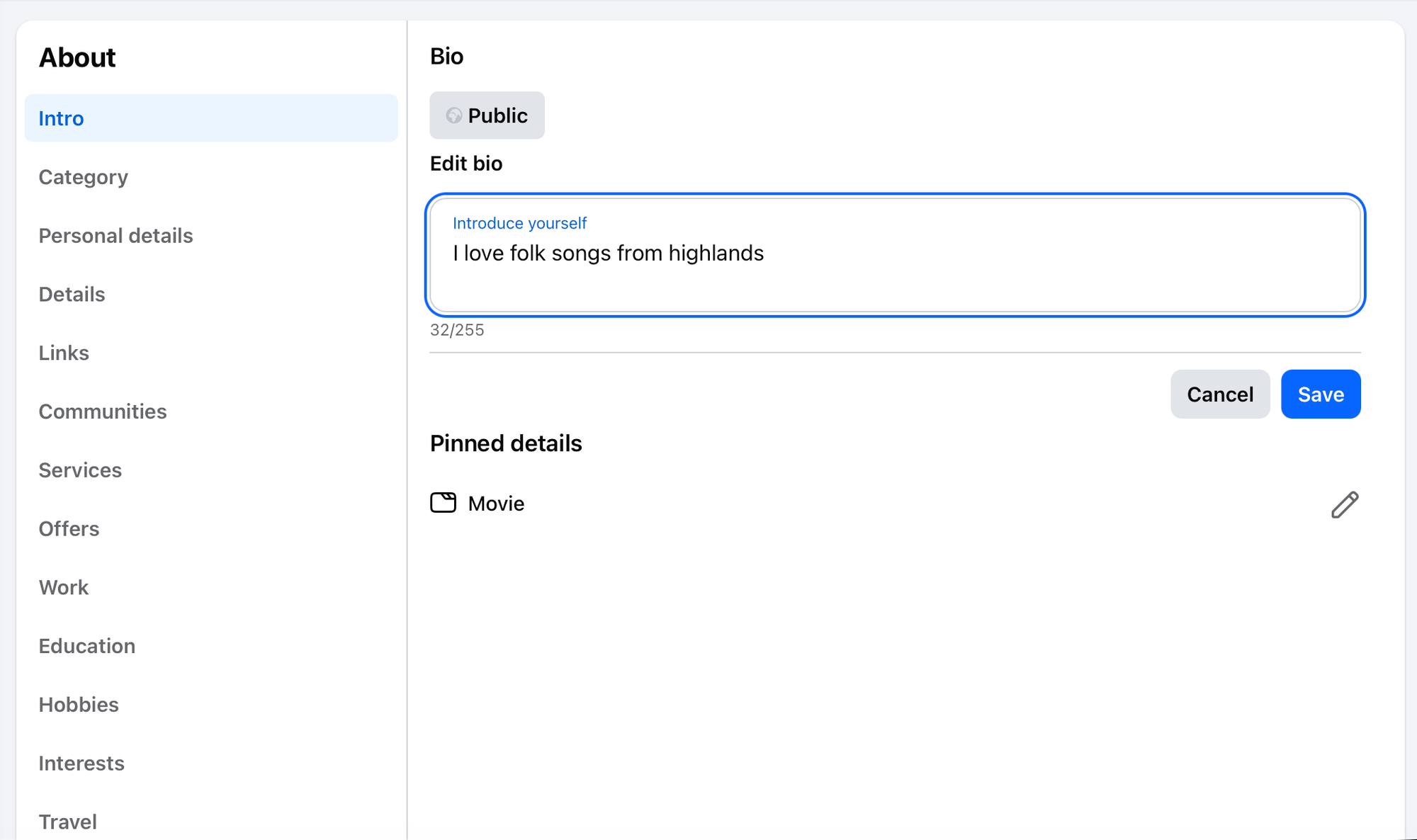
A DJ based in one city but booking shows nationally should say so directly in the about section, since that single detail helps the right promoters find the Page in search.
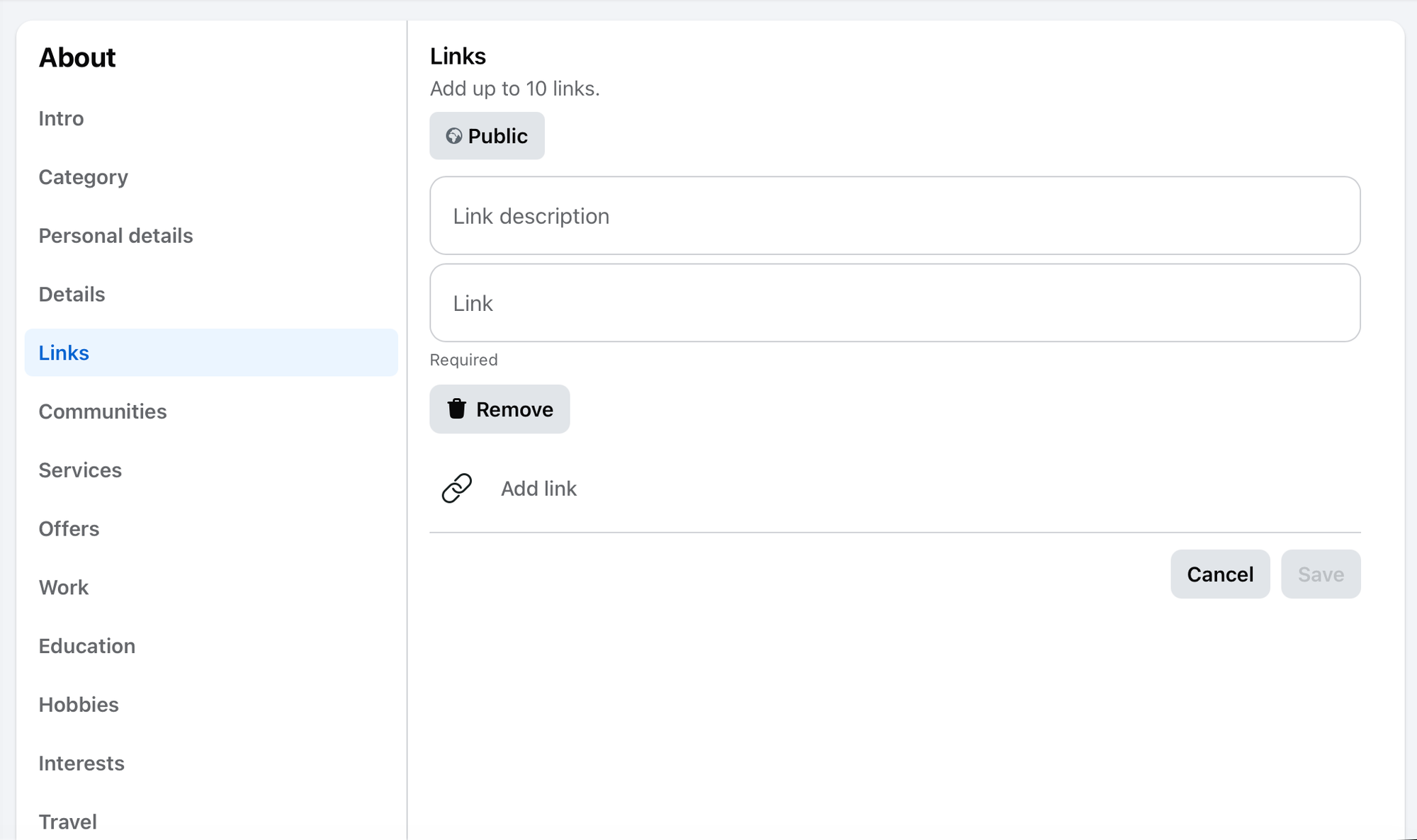
Step 4: Link Your Music and Socials
Add links to Spotify, Apple Music, Bandcamp, YouTube, and any other platform where people can actually hear your work. A Page that only talks about music without linking to it sends visitors looking elsewhere, and most will not come back.
Step 5: Post Consistently, Not Just When You Remember
This is the step almost every artist gets right for the first two weeks and then quietly drops.
Pages that post several times a week see meaningfully higher engagement than Pages that post once a month or less, because Facebook's own reach favors accounts that stay active.
The problem is not motivation. It is that remembering to log in, write a caption, pick a photo, and hit publish, on top of writing music, rehearsing, and booking shows, does not survive a busy month.
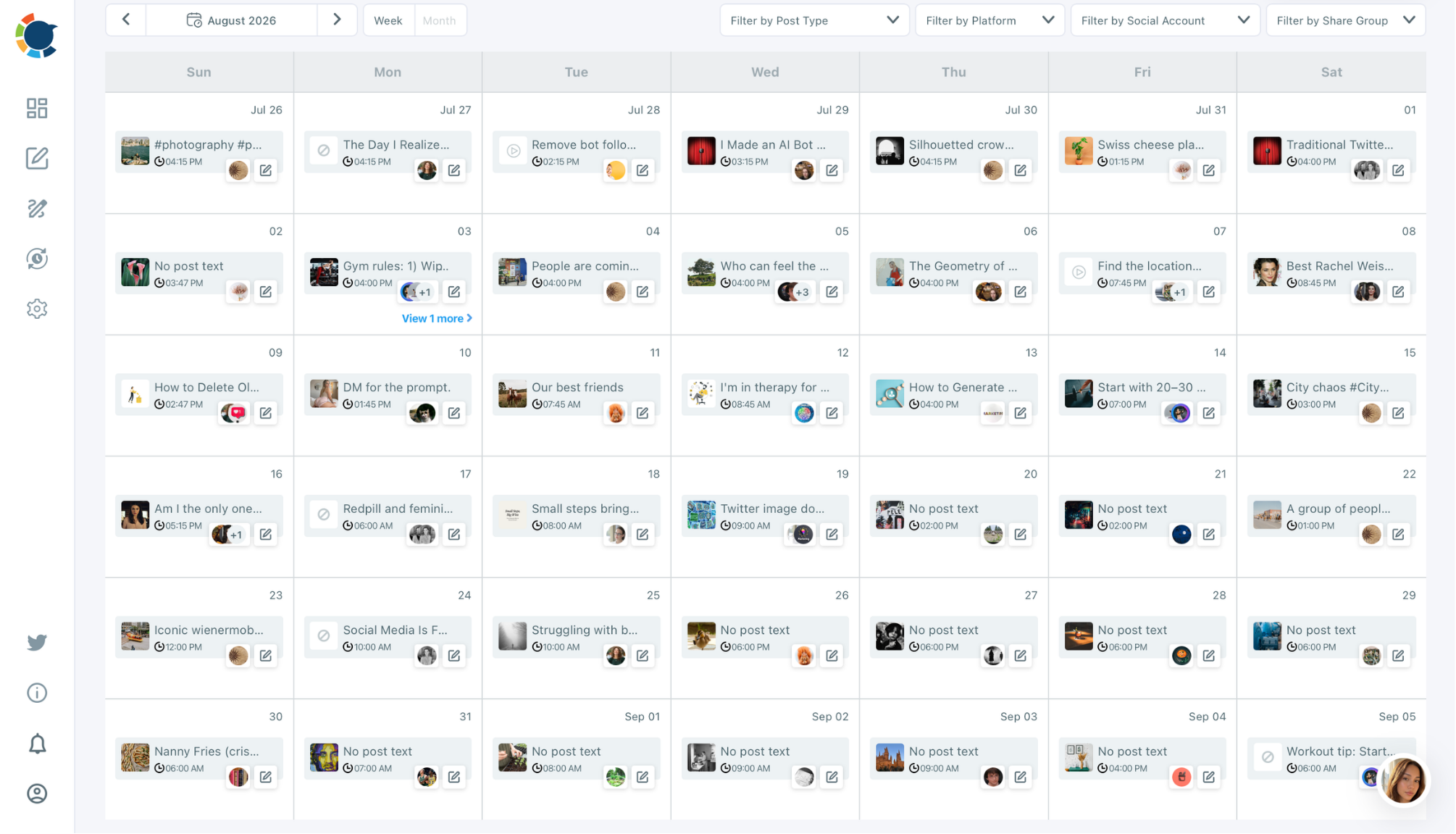
This is exactly where Circleboom Publish earns its place in an artist's workflow. Instead of logging into Facebook separately every time you have something to share, you draft a batch of posts in one sitting, schedule them across the week or month, and let them go out automatically, even for your Instagram and X accounts at the same time. A singer songwriter with a single quiet Sunday afternoon can plan an entire month of tour reminders, behind the scenes clips, and release countdowns, then get back to actually making music.
I have planned the whole month of posts in one sitting. It takes 2 hours.
Facebook posts help you rank your YouTube videos or Spotify links as well. How? you are asking this right now I guess. When you get Facebook likes, it helps SEO of your links in these posts. So, promoting your content on Facebook is a good way to promote your channels. It is meaningful if you do it repeatedly.
Step 6: Use Insights to Learn What Actually Works
Facebook Insights shows which posts got the most reach, the best engagement, and when your fans are actually online. Most artists check this once, feel vaguely reassured, and never look again.
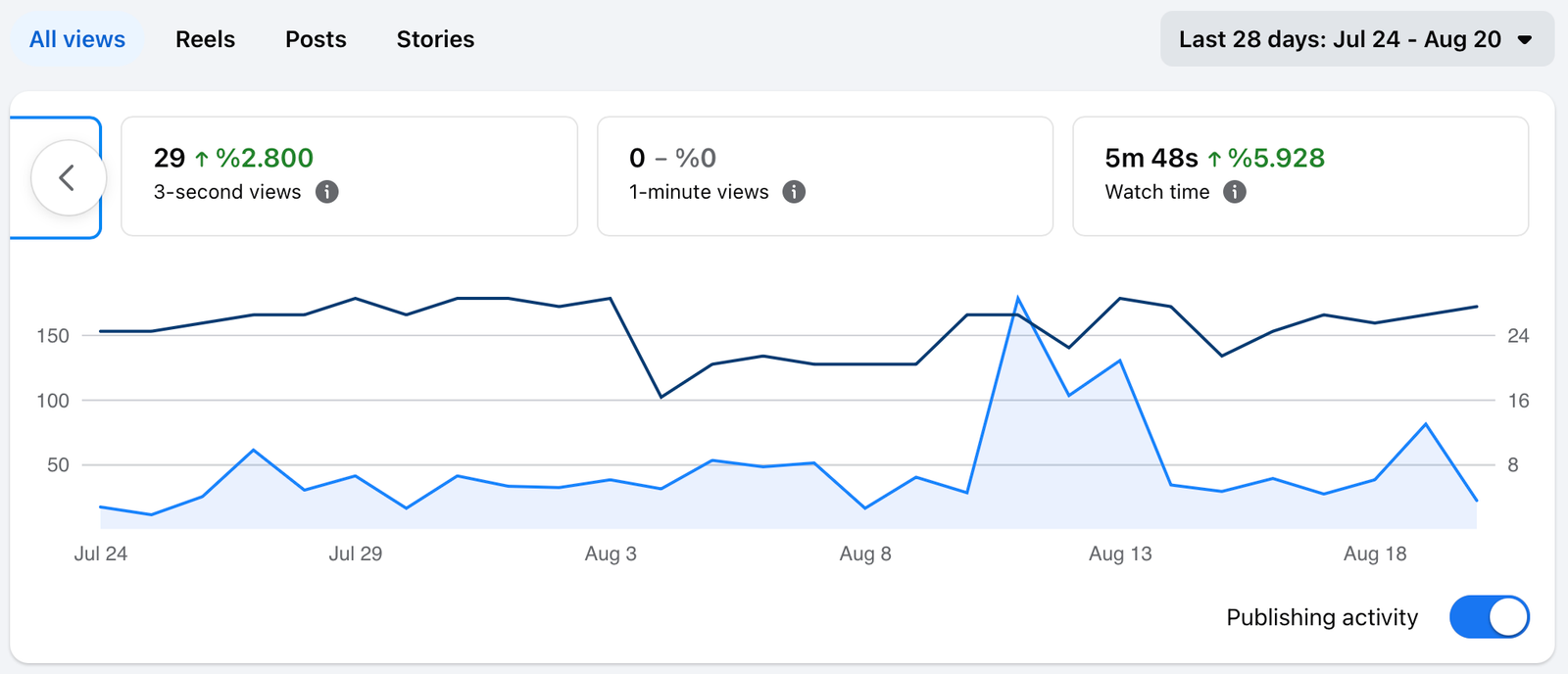
That is a missed opportunity. A band that notices behind the scenes rehearsal clips consistently outperform polished promo photos can lean into what fans clearly prefer, instead of guessing.
Circleboom Publish keeps this loop tight by pulling performance data into the same dashboard you use to schedule posts, so you can see what is working across Facebook and your other platforms without switching tabs or digging through five different analytics screens.
Step 7: Grow Beyond Your Current Fans
Once the Page has a steady rhythm of posts, cross post your Facebook content to Instagram and X to reach fans who live on different platforms, and consider a small boosted post budget around a release or show announcement.
Growth compounds. A Page that posts consistently for three months typically sees a far steeper follower curve than one that posts in bursts and goes quiet in between.
Many newcomers think that Facebook Ads are the keys to grow. However, when you look at Facebook Ads vs. Facebook SEO, in the long run, SEO always beats. If you want to be successful on Facebook SEO, yoı have two simple tasks:
1) Post consistently on Facebook and try to get likes. (Facebook likes help SEO)
2) Try to go beyond Facebook and cross promote your posts on other platforms. (Circleboom steps in).
Of course, do not expect miracles overnight. Give it a time, maybe 3 months. Then, you will see the first movements. First likes, comments, follows. After 6 months, they will be more. After 1 year, you will understand what I mean now when you gather the fruits.
The Real Takeaway
A Facebook artist Page is not a task you finish once and check off. It is a habit, and habits are only as strong as the system behind them.
Set the Page up right, post like you mean it, and let a tool like Circleboom Publish carry the part that used to eat your Sunday afternoons.