
On Twitter/X, when you post is often just as important as what you post.
A well-written tweet shared at the wrong time can disappear within minutes, while an average tweet posted at the right moment can outperform expectations. This is exactly why searches for “Twitter timed posts” continue to grow; people want control over visibility, not luck.
Scheduling tweets isn’t about automation for convenience alone. It’s about strategic distribution.
What Are Twitter Timed Posts?
Twitter timed posts are tweets that are scheduled in advance to be published automatically at a specific date and time.
Instead of posting manually in real time, you decide:
- the exact publishing moment
- the posting frequency
- how tweets are spaced across your timeline
This shift may sound small, but its impact is measurable.
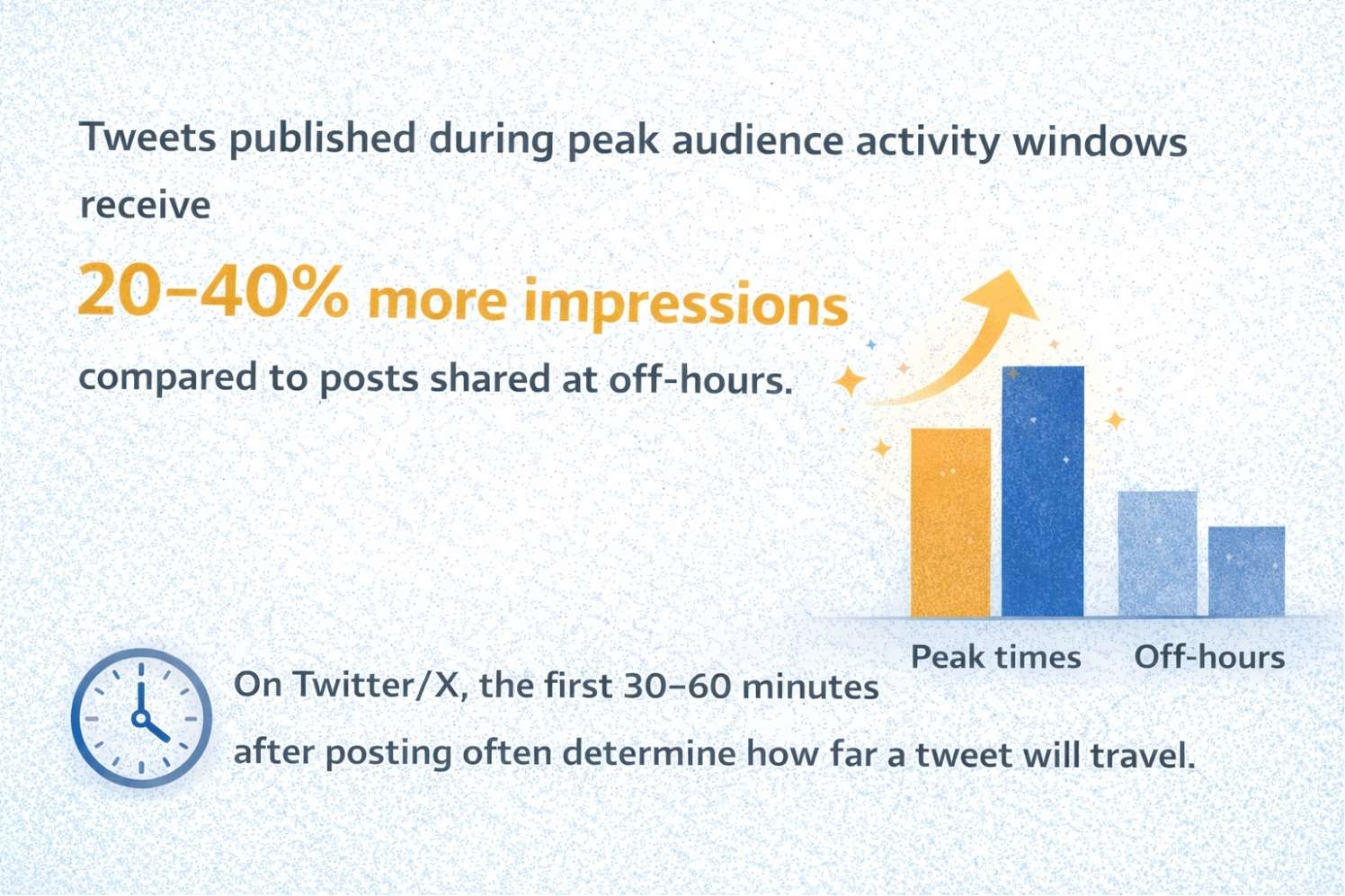
Multiple social media studies consistently show that tweets published during peak audience activity windows receive 20–40% more impressions compared to posts shared at off-hours. On Twitter/X, where engagement is heavily front-loaded, the first 30–60 minutes after posting often determine how far a tweet will travel.
Timed posts allow creators and brands to:
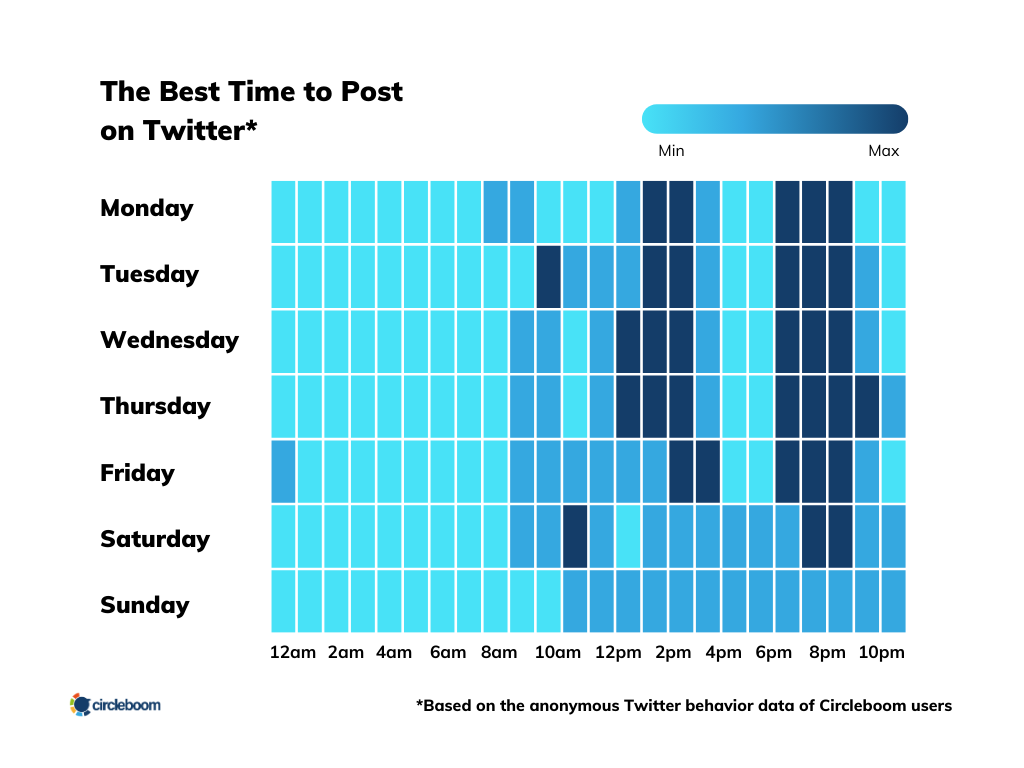
- hit peak audience activity hours, the specific times of day when the highest percentage of followers are online and scrolling
- plan campaigns days or weeks ahead, ensuring coordinated messaging instead of last-minute posting
- maintain consistency, which matters because accounts that post on a regular cadence tend to see higher average engagement per tweet than accounts that post sporadically
Consistency is especially important on Twitter/X. Accounts that tweet consistently (for example, 1–3 times per day at stable hours) often experience stronger baseline impressions than accounts that post in bursts and then go silent.
In short, Twitter timed posts turn tweeting into a planned distribution system, not a reactive habit based on availability or guesswork. Instead of hoping your audience is online, you post when data suggests they actually are.
If you want, I can:
- add citations-style phrasing for academic or data-heavy blogs
- adapt this section for a landing page tone
- simplify it for a beginner audience
Why Timing Matters on Twitter/X
Twitter/X is a real-time platform with a fast-moving feed.
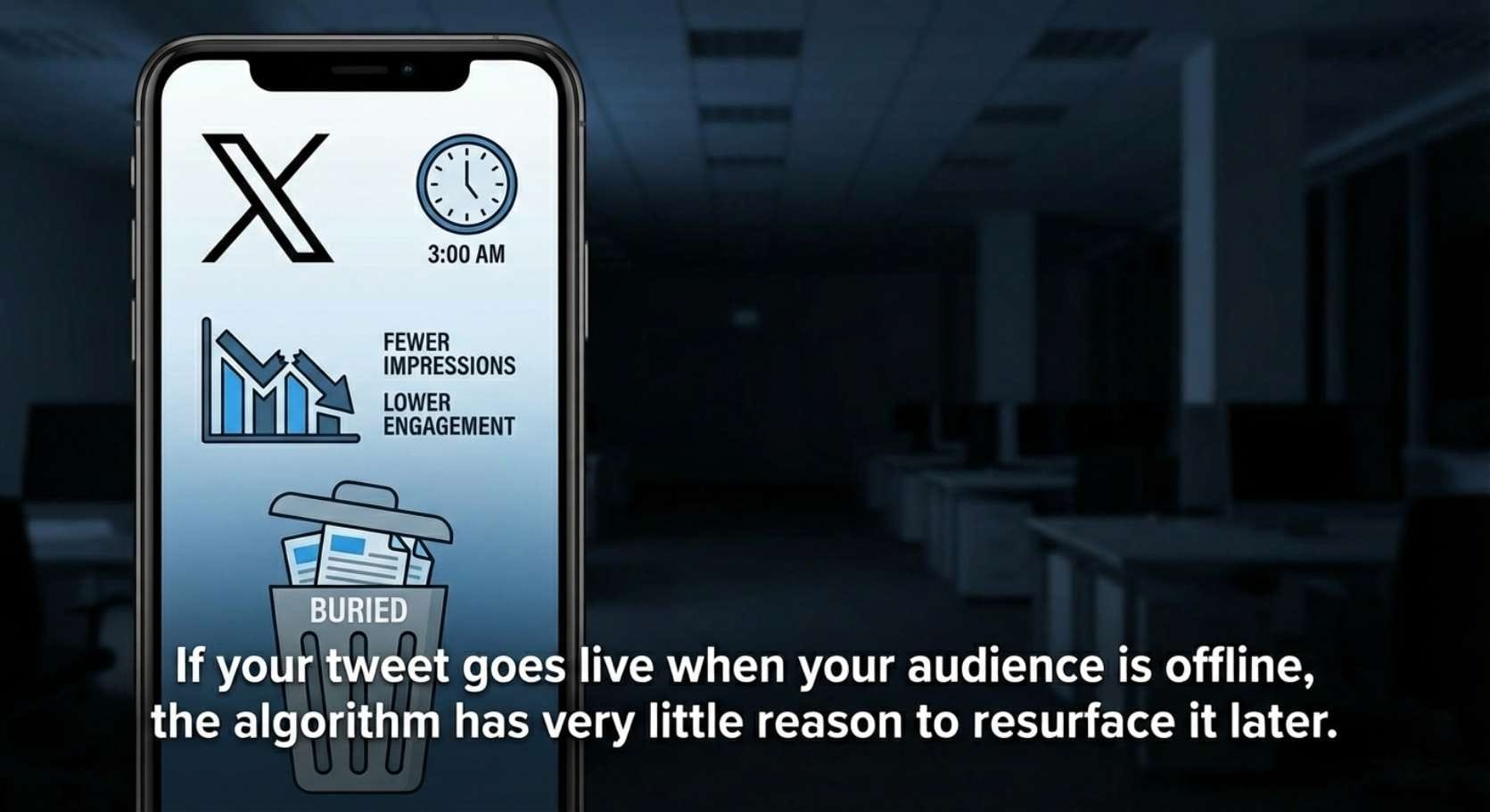
If your tweet goes live when your audience is offline, the algorithm has very little reason to resurface it later. The result is often:
- fewer impressions
- lower engagement
- content that gets buried quickly
This doesn’t mean the tweet was bad, it means the timing was.
Timed posts solve this by ensuring your content appears when your audience is most likely to see and interact with it.
Scheduling vs Posting Live: What’s the Difference?
| Method | Outcome |
|---|---|
| Live posting | Dependent on availability and timing guesses |
| Timed posts | Planned, consistent, and data-driven visibility |
Live posting works well for spontaneous updates, but it’s unreliable for:
- campaigns
- educational content
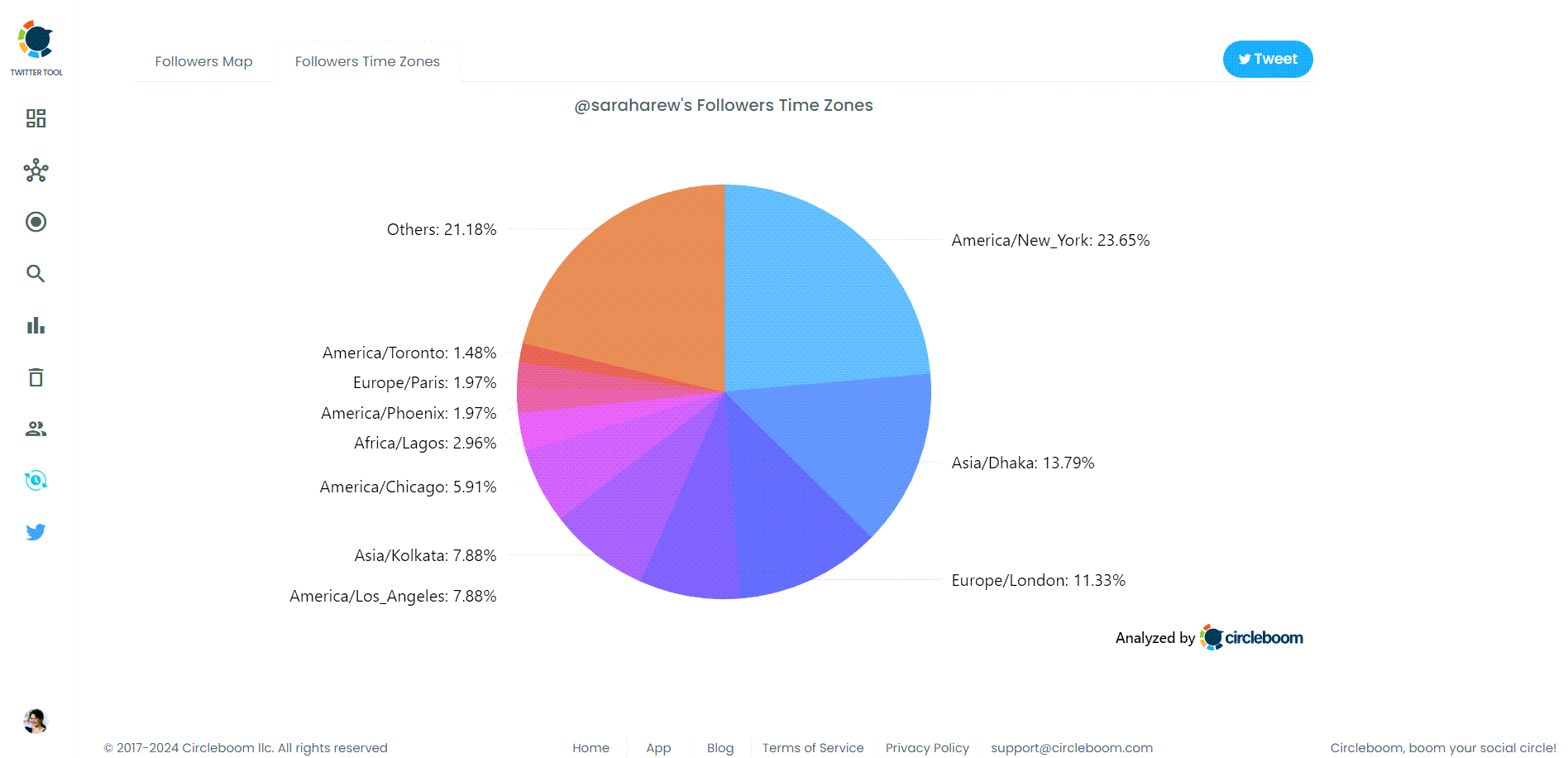
- time-zone–diverse audiences
- long-term growth strategies
Timed posts provide predictability and control.
 Kevin Frank
Creating Twitter Timed Posts with Circleboom
This is where Circleboom fits naturally into the workflow, not as a simple scheduler, but as a distribution and reach optimization tool.
Most people think scheduling means “posting in the future.”
In reality, effective scheduling is about amplifying reach and engagement, not delaying publication.
Circleboom allows users to:
- schedule tweets for exact dates and times
This ensures your content goes live when your audience is actually active, not when it’s convenient for you. - queue content to publish automatically
Instead of one-off posts, you create a consistent publishing rhythm. Consistency is one of the strongest signals for sustained impressions on X. - analyze audience activity to identify better posting windows
Rather than guessing, Circleboom helps you understand when engagement happens, by day, hour, and pattern, so your tweets are aligned with real behavior. - manage multiple campaigns from one dashboard
Campaigns are not just sets of tweets; they’re coordinated visibility efforts. Circleboom keeps timing, spacing, and structure under control. - avoid missing optimal posting opportunities
The biggest enemy of reach isn’t bad content, it’s bad timing. Scheduling ensures your best tweets don’t die silently because you posted them at the wrong moment.
Why Scheduling Alone Isn’t Enough
Here’s the critical insight many creators miss:
On Twitter/X, visibility is front-loaded.
Most tweets receive the majority of their impressions shortly after publishing. If a tweet doesn’t gain early engagement, it rarely resurfaces.
That means:
- one post time = one chance
- miss the window = lost reach
This is exactly where auto-retweets become powerful.
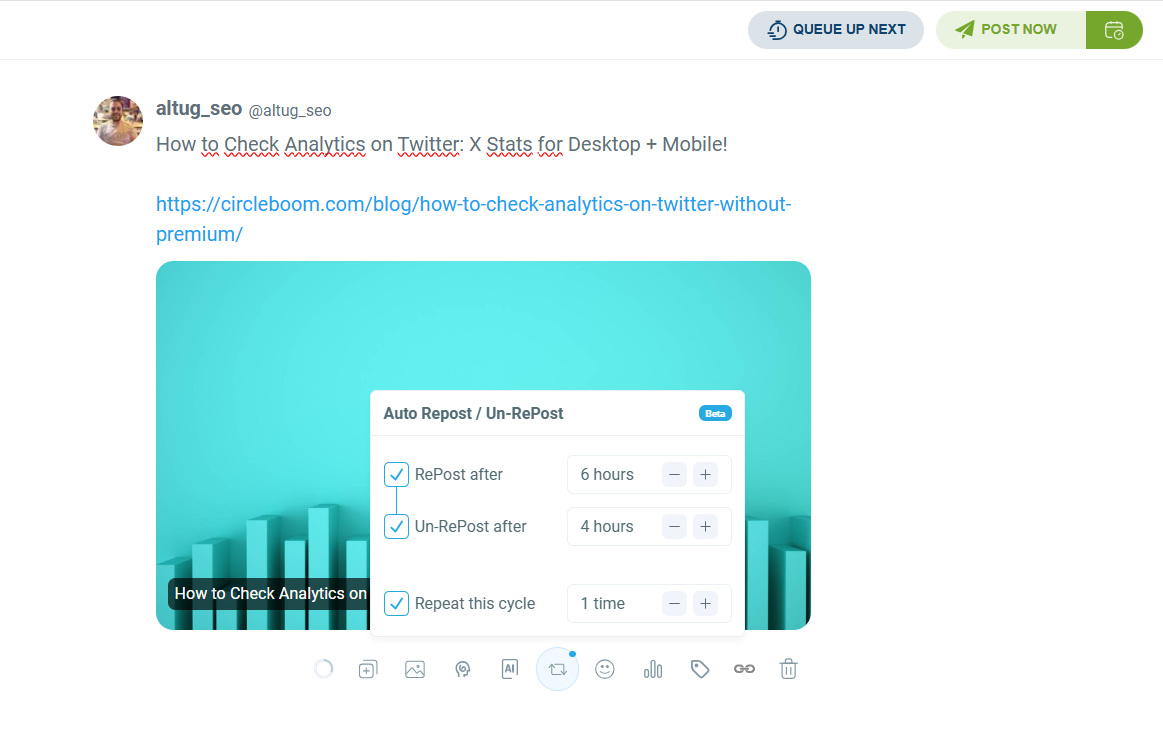
How Circleboom’s Auto-Retweet Feature Extends Reach
Circleboom doesn’t stop at scheduling the original tweet.
It also allows you to set automated retweets at the time of scheduling, creating multiple visibility moments for the same content.
With auto-retweets, you can:
- resurface a tweet hours later
- reach followers in different time zones
- reintroduce content to users who missed it
- extend the lifespan of high-value tweets
Instead of relying on a single posting moment, your tweet gets planned re-exposure, without manual effort.
This turns one tweet into a multi-wave distribution strategy.
Why Auto-Retweets Increase Impressions and Engagement
Auto-retweets work because of how attention actually behaves on Twitter/X.
First, Twitter timelines move extremely fast. For most accounts, a tweet receives 50–70% of its total impressions within the first 1–2 hours after publishing. After that, visibility drops sharply unless new engagement revives it.
Second, followers are not online at the same time. Even highly active accounts typically reach only 10–25% of their followers during any single posting window. Time zones, work schedules, and scrolling habits fragment attention, meaning a large portion of your audience never sees the original tweet.
Third, one exposure is rarely enough. Multiple marketing studies show that users often need 2–3 content exposures before taking an action such as liking, replying, or clicking. A single tweet appearance is often insufficient to trigger engagement.
This is where a strategically timed retweet becomes powerful.
A well-spaced auto-retweet:
- creates a second engagement window, often 6–12 hours later, when a different segment of your audience is active
- generates fresh interaction signals (likes, replies, reposts), which Twitter’s algorithm treats as renewed interest
- gives the algorithm another reason to distribute the tweet, extending its lifespan beyond the initial posting burst
In practice, many creators observe that a second retweet can add 15–35% additional impressions to a high-quality tweet—without increasing posting volume.
Importantly, this is not spam when used responsibly.
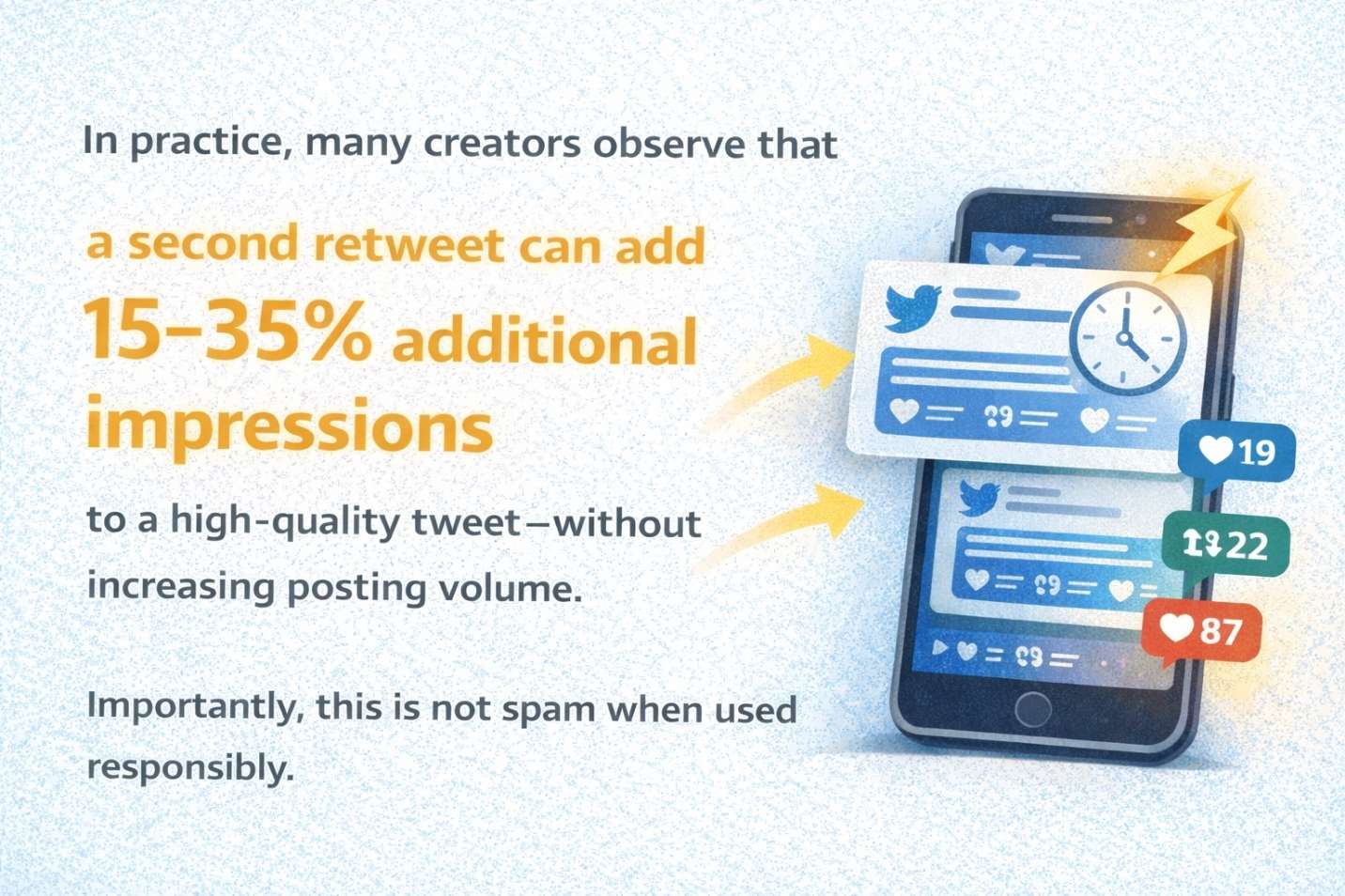
Spacing retweets naturally (rather than repeating them aggressively) preserves credibility while still increasing reach. When retweets are planned selectively—only for strong or evergreen content—they feel like resurfacing, not repetition.
Used this way, auto-retweets don’t flood timelines.
They maximize the value of content you already created.
Why Circleboom Is Especially Strong for This
Many tools let you schedule tweets.
Very few let you orchestrate visibility over time.
Circleboom combines:
- initial scheduling
- audience-based timing
- automated retweets
- campaign-level planning
This means you’re not just publishing content, you’re designing its performance lifecycle.
Especially Valuable for Advanced Use Cases
This approach is particularly effective for creators and teams managing:
- multiple accounts
Each account can have different posting and retweet schedules. - different time zones
Auto-retweets ensure global audiences see the content. - recurring or evergreen content
Educational posts, announcements, and threads benefit from planned resurfacing.
Without scheduling + auto-retweets, this requires constant manual effort.
With Circleboom, it becomes systematic and scalable.
The Core Takeaway
Scheduling isn’t about posting later.
Auto-retweeting isn’t about repeating yourself.
Together, they form a controlled distribution strategy:
- more visibility
- better engagement
- longer content lifespan
- less guesswork
Circleboom doesn’t just help you schedule tweets.
It helps you make each tweet work harder, more than once.
FAQ: Twitter Timed Posts, Scheduling & Auto-Retweets
What are Twitter timed posts?
Twitter timed posts are tweets that are scheduled in advance to be published automatically at a specific date and time instead of being posted manually.
Does scheduling tweets increase impressions?
Yes. Scheduling tweets to go live during peak audience activity increases early engagement signals, which often leads to higher impressions and better reach.
Is scheduling tweets the same as automation?
Not exactly. Scheduling is a controlled and intentional form of automation focused on timing and consistency, not mass posting or spam behavior.
Can scheduled tweets hurt engagement?
No—when used correctly. Poor timing hurts engagement, not scheduling itself. In fact, strategic scheduling often improves performance compared to random live posting.
What is auto-retweeting and how does it help?
Auto-retweeting allows a tweet to be automatically retweeted at a later time. This gives the tweet a second (or third) visibility window, helping it reach followers who missed the original post.
Are automated retweets considered spam?
No, as long as they are spaced naturally and used selectively. Automated retweets are most effective when applied to high-value or evergreen tweets.
Can scheduling and auto-retweets be used together?
Yes—and they work best together. Scheduling ensures the tweet launches at the right moment, while auto-retweets extend its lifespan and visibility across multiple time windows.
Is it safe to schedule tweets and auto-retweets on X?
Yes. Scheduling and auto-retweeting are safe when done using compliant third-party tools that follow X’s platform rules.
Who benefits most from Twitter timed posts?
Timed posts are especially useful for:
- creators posting consistently
- brands running campaigns
- teams managing multiple accounts
- users with global audiences in different time zones
Why use a tool like Circleboom instead of native scheduling?
Tools like Circleboom go beyond basic scheduling by combining timing analysis, content queues, and auto-retweets—turning scheduling into a distribution strategy rather than a simple calendar feature.