The notification arrived Tuesday morning at 8:14 a.m.: the weekly digest showed seventeen accounts had unfollowed since the prior week. I was halfway through a coffee when I scrolled the list, and three of the seventeen surprised me enough that I went back to find when they had left and what I had posted in the window around their departure.
Two of the three had unfollowed on Saturday afternoon, the day after a contrarian thread that had drawn pushback from a small but vocal subset of the timeline. The third had been a slow drift, with no visible posting trigger, almost certainly a routine follow-prune. The pattern was useful only because the digest had captured the names and the timing. A bare follower-count delta would have shown "down 17" and nothing else.
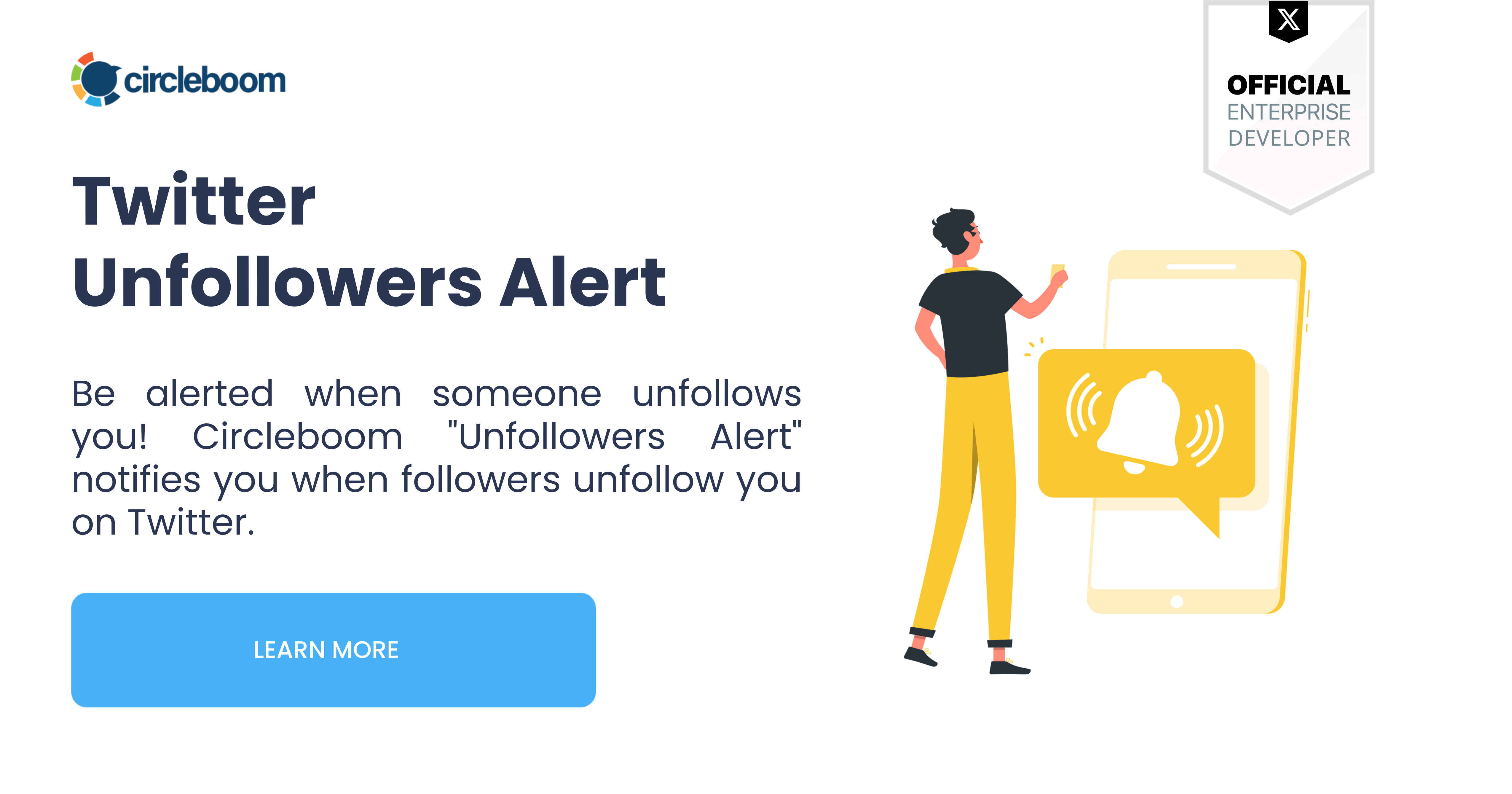
The weekly unfollower workflow gives you a named list of accounts that left in the prior seven days, the unfollow date for each one, and the option to correlate the departures against your post-publish dates. The workflow runs through the official X Enterprise APIs so the unfollower detection is accurate and the digest is delivered on a sanctioned schedule.
The output is a weekly read of who left, when they left, and (when the timing aligns) which posts were the likely trigger.
→ Start the weekly unfollower workflow
Why a Weekly Cadence Beats Daily or Monthly
A daily unfollower check produces too much noise. Single-day movements are dominated by routine follow-prune behavior from the unfollowed accounts themselves, and the signal-to-noise ratio is too low to learn from. A monthly check produces too little resolution. By the time the report arrives, the post-context that explains the departures is no longer in working memory and the timing correlation is gone.
The weekly cadence is the right window for most accounts. Seven days is long enough to smooth out single-day noise but short enough to keep the post context in reach. The digest arrives once, the review takes about ten minutes, and the patterns that matter (account-cluster losses tied to specific threads, slow drift from accounts you never engaged with, sudden departures from previously engaged accounts) become legible.
Circleboom's piece on how to see who unfollowed you on Twitter covers the broader unfollower-tracking landscape. The piece is useful background because it walks through why the platform itself does not expose this data natively, which is the structural reason a dedicated workflow is needed.
What the Weekly Digest Captures
The digest captures three pieces of information per unfollower. The first is the account name and handle, which is the basic identification. The second is the unfollow date, accurate to the day, which is the timing signal that lets you correlate departures against post-publish dates.
The third is the follow tenure. Accounts that follow and unfollow within the same week are typically follow-back tests or growth-hacking attempts and contribute almost nothing meaningful. Accounts that unfollow after months or years of follow are the ones worth paying attention to, because the departure is a deliberate edit rather than a routine prune. The tenure column makes the distinction visible at a glance.
Circleboom's three-step unfollower tracking piece covers the operator-side framing of the digest read. The framework holds up across the daily, weekly, and monthly cadences, and the three-piece structure is the same regardless of how often the digest runs.
How to See Who Unfollowed You This Week Step by Step
The workflow runs in two phases: the initial setup, then the recurring weekly check. The first setup takes about 10 minutes; the weekly check takes about 10 to 15 minutes once the digest is running.
Phase 1: Initial Setup
Log in to Circleboom Twitter
- Log in to Circleboom Twitter with the X account you want to monitor. Login uses official OAuth, so platform credentials never pass through Circleboom directly.
Open the Follower-Following menu
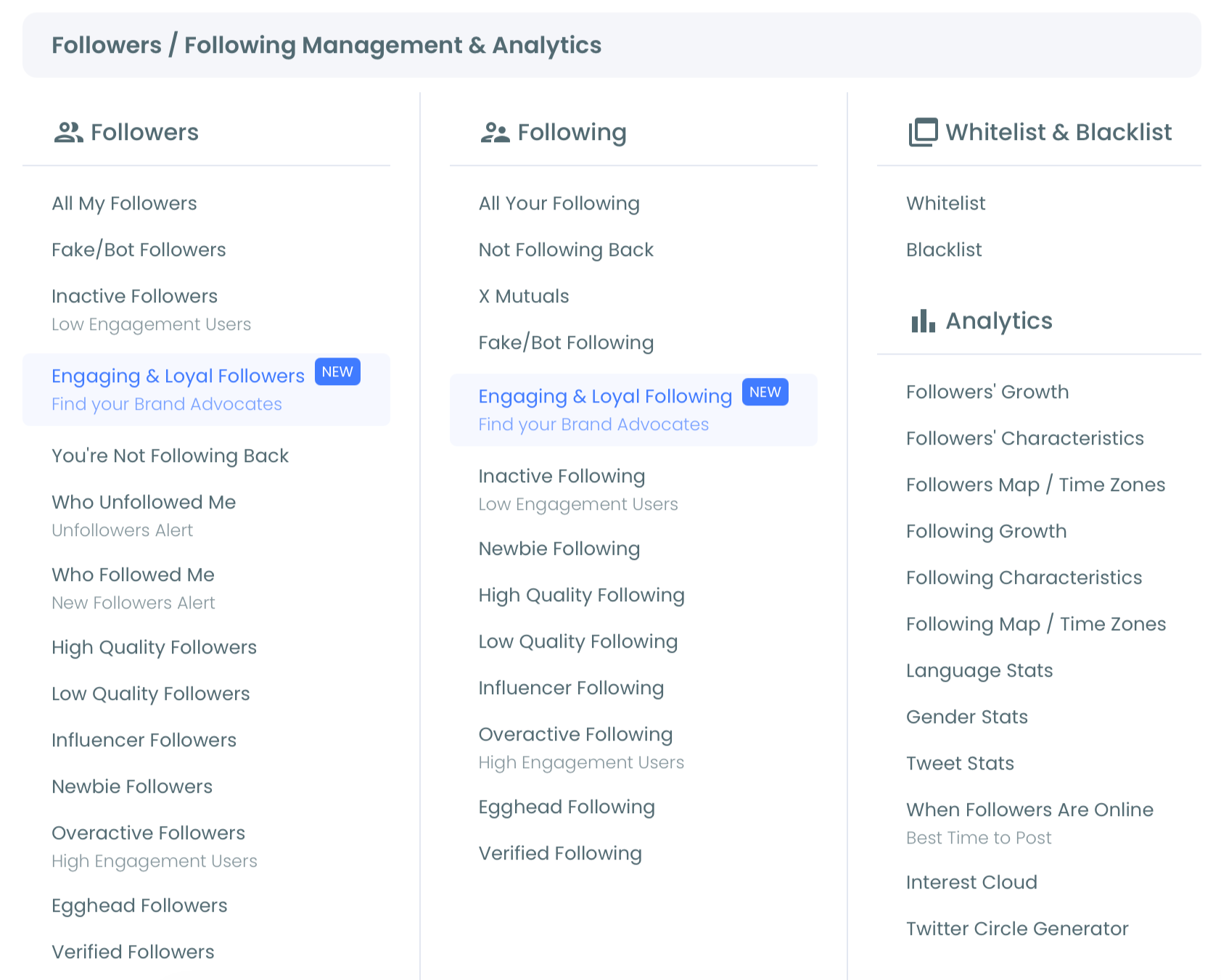
- Open the Follower-Following menu in the left navigation. This surface holds the audience-management reports and the unfollower-alert configuration.
Enable the unfollower alert and set the weekly cadence
- Open the Who Unfollowed Me report and enable the unfollower alert. Set the delivery cadence to weekly and confirm the delivery channel (email is the default; in-app notifications are also supported). The alert begins tracking from the moment it is enabled.
Phase 2: The Weekly Review
Open the weekly digest
- Open the weekly digest when it arrives. The list shows every account that unfollowed in the prior seven days, with the unfollow date and follow tenure visible per row.
Filter for tenure and category
- Filter the list by follow tenure to separate the meaningful departures from the routine follow-prune noise. Tenure under 14 days is usually growth-hacking churn and can be ignored. Tenure over 90 days is where the deliberate departures cluster.
Cross-reference against your post-publish dates
- Cross-reference the meaningful departures against your post-publish dates for the same seven-day window. Account clusters that unfollowed within 24 to 48 hours of a specific post are the ones telling you something about content fit. Isolated departures with no post correlation are usually unrelated to anything you published.
The six-step sequence is the full workflow. The OAuth login earns the API access. The menu navigation loads the audience-management surface. The alert configuration sets the delivery schedule, and the weekly review converts the digest into actionable content-fit signal.
Video walkthrough: the unfollower tracker dashboard and the weekly digest read.
https://www.youtube.com/watch?v=2MhU32QunxQ
What the Weekly Read Produces Over Time
The output is a running picture of which content is fitting your audience and which content is repelling specific subsets. The single-week read shows the immediate signal. The four-week rolling read shows the pattern. The 12-week read shows the structural fit between your content and your audience.
The Circleboom workflow uses the official X Enterprise Developer access for the unfollower detection, which is why the digest is accurate and the timing is reliable. Platform-side enforcement under X's anti-manipulation rules targets unsanctioned tracking tools, which is the structural reason a sanctioned access path matters for a workflow that runs on a recurring schedule.
X Help's notifications documentation covers the platform-native notification surface, which is useful for understanding why the unfollower-specific notification has to come from a separate workflow: the platform notifies on follow events but not on unfollow events, by design.
Two adjacent surfaces extend the workflow. The Who Unfollowed Me landing covers the parent report that the alert pulls from, which is useful when you want to read the historical unfollow list rather than the weekly delta. The follower tracker landing covers the broader follower-change surface that pairs with the unfollower-specific digest.
Related Circleboom reading on the unfollower-tracking theme.
- How to see who unfollowed you on Twitter (2) on the updated walkthrough for current X behavior.
- Find your answers to who unfollowed me on Twitter on the answers to the recurring questions operators ask about the workflow.
Why the Weekly Read Holds Once You Run It
The reason the weekly digest holds where ad-hoc unfollower checks stall is that the once-a-week cadence is sustainable. Daily checks turn into a chore most operators stop doing after two weeks. Monthly checks lose the post correlation that makes the data useful. Weekly is the cadence that survives.
The compounding benefit shows up in the second month. The first weekly read is a one-week snapshot. The fourth weekly read is a four-week pattern. By the third month, you have twelve data points, and the relationship between your content and your audience is legible in a way it never is from looking at the live follower count.
Start the weekly unfollower workflow and the Tuesday-morning digest becomes the single most useful audience-fit read in your week.
Still Wondering?
Does X notify the account I unfollowed?
No. X does not notify accounts when they are unfollowed. The change shows up only if the unfollowed account looks at their followers list or uses an external tracking tool. This is true for both manual unfollows and tool-based unfollows.
Can I see who unfollowed me for free in X's native interface?
X does not expose unfollower data natively. The platform notifies on follow events but not on unfollow events. The only way to read the unfollower list is to compare a prior snapshot of your followers against the current list, which is what dedicated tracking tools do automatically.
What if my digest shows zero unfollowers some weeks?
Zero-unfollow weeks are normal for accounts under a few thousand followers or for weeks with low posting volume. The digest delivers every week regardless of count, and the zero-unfollow weeks are themselves a useful signal that your content is fitting your audience cleanly in that window.
How far back does the unfollow history go?
The alert begins tracking from the moment it is enabled. There is no retroactive read for accounts that unfollowed before the alert was set up. Operators usually enable the alert on a Monday or Tuesday and treat the first full week as a baseline rather than reading patterns into it.
Can I export the weekly digest to a spreadsheet?
Yes. The digest exports to CSV, which is useful for operators who want to track unfollow patterns over months or quarters in their own tooling. Most operators use the CSV export quarterly to read the longer-arc pattern that the weekly digest does not surface on its own.