
Auto follow keywords on Twitter, done right, is the most precise audience-building tactic on the platform. Instead of following everyone in a vague category, you define the exact keywords your ideal audience uses (in bios, tweets, or both) and auto-follow only the accounts that match. Circleboom's keyword-based Auto Follow runs that workflow through the official X Enterprise API with filters, safe pacing, and zero scraping.
What this guide gives you:Why keyword-targeted auto-follow outperforms generic follow-for-followThe 5-step Circleboom flow for keyword-based discovery and filtered follow executionThe filter logic that keeps keyword auto-follow inside X's rate-limit expectations
Run it on Circleboom's auto follow keywords on Twitter tool, backed by official X Enterprise API access.

Why Keyword Targeting Beats Generic Follow Tactics
Most Twitter growth tactics fail on the same axis: they ignore what the accounts actually talk about. Following every account in a broad category, following back anyone who follows you, or running untargeted bulk follows all produce audiences that only loosely match your content focus. The X help documentation on follow behavior documents the platform's expected user patterns, and the common thread is specificity: real users follow accounts whose content they care about, not random accounts in a category.
Auto follow keywords on Twitter solves the specificity problem directly. You define the keywords that signal "this is my audience" (niche terms, tool names, topic phrases, professional language), and the workflow auto-follows only accounts whose bio or recent tweets contain those keywords. The output is a follower list of people who, by the evidence of their own profile, care about exactly what you publish. The Circleboom keyword-safe auto-follow alternative piece ⬇️ walks through the mechanics in detail.
 Altug Altug
How to Auto Follow Keywords on Twitter (Step by Step)
Circleboom is an official X Enterprise developer, which means keyword-based account discovery and the follow actions that follow both run on sanctioned Enterprise API access.
The workflow has three stages:
- keyword-driven discovery,
- quality filtering, and
- rate-limited follow execution.
Discovery pulls candidate accounts by keyword match. You enter one or more target keywords; Circleboom searches bios and recent tweet content for matches and builds a candidate list. Filtering then applies your quality bar (verification, activity, account age, language, location). Execution runs the follow action through Auto Follow with X-compliant rate pacing.
Walkthrough demo: the keyword-driven auto follow Twitter workflow, from keyword definition to batched follow execution.
Here's the flow, in order.
Connect your X account to Circleboom
Log in to Circleboom Twitter and authorize through official OAuth. No passwords, no browser extensions.
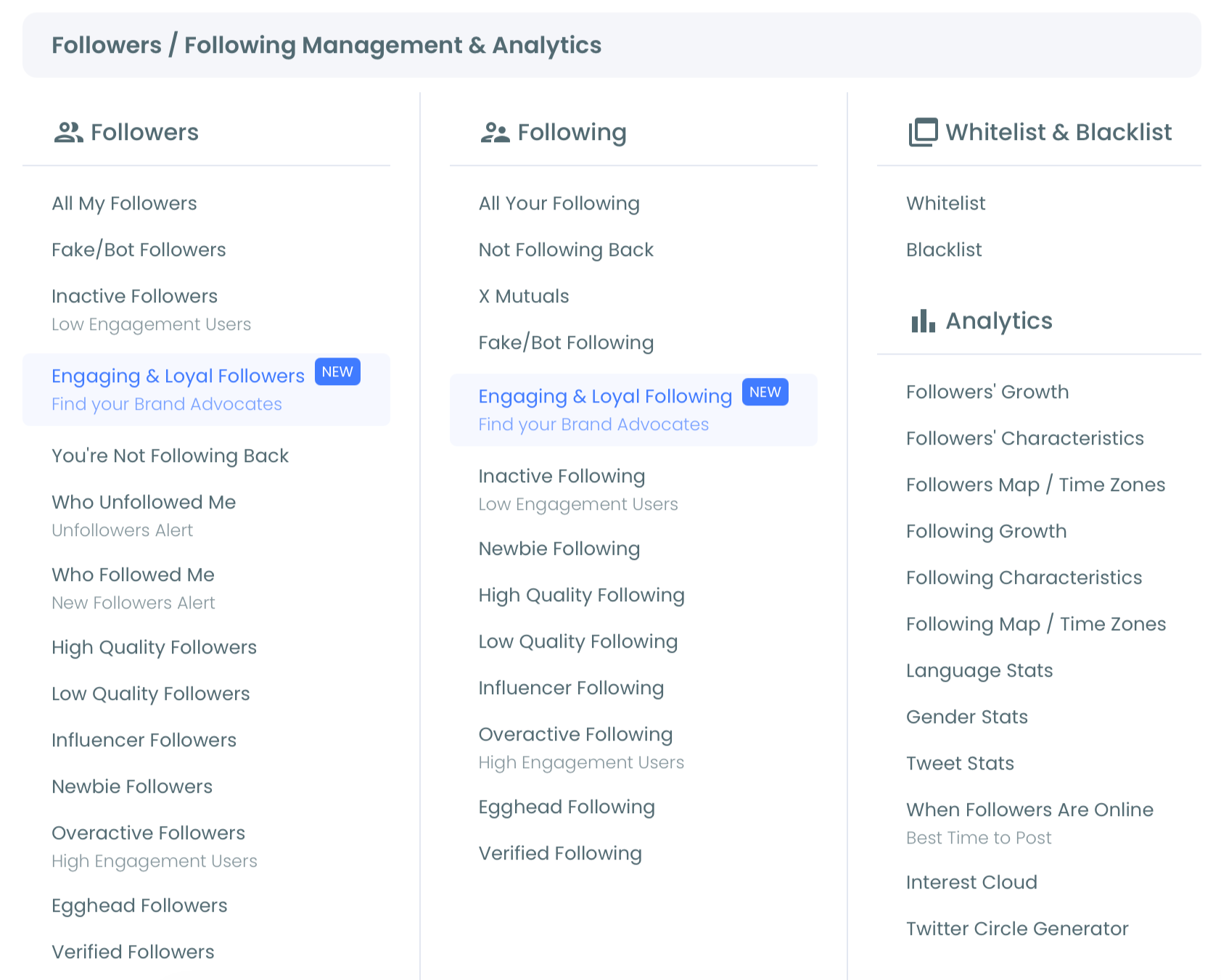
Open the Follower & Following Management and Analytics menu.
Define the keywords that signal your audience
Enter the target keywords in the keyword-based discovery input.
Start specific:
- industry terms
- niche jargon
- tool names
- topic phrases that your real audience actually uses.
Broad keywords produce noisy candidate lists; specific keywords produce targeted ones.
Filter the candidate list by quality signals
Layer filters for
- verification
- activity level
- account age
- language
- location or follower count.
Keyword match defines topical relevance; the filter layer defines account quality. Both matter.
Run the follow batch with safe pacing
Select the filtered candidates and trigger Auto Follow. Circleboom spaces the follow requests across safe intervals, respects X's rate-limit signals, and pauses on any restriction response. Recommended batch size: 30 to 40 accounts daily.
This sequence is what makes keyword-based auto follow work sustainably. OAuth earns sanctioned API access, keyword input defines topical relevance, filtering applies quality judgment, and rate-limited execution keeps X's trust signals on the account. Skipping filters turns precision growth back into generic spam behavior; skipping pacing triggers restrictions.
Quick recap of the flow:
- Connect your X account with official OAuth.
- Enter target keywords (bio and recent-tweet match).
- Layer quality filters (verification, activity, language, account age).
- Trigger Auto Follow; Circleboom paces the requests automatically.
Why Keyword-Based Beats Other Auto-Follow Variants
Traditional auto-follow variants pull candidates from lists, categories, or reciprocal follow events. All three produce noisier candidate pools than keyword match does. A list-based follow pulls everyone on a list regardless of fit; a category-based follow pulls accounts that mention broad terms; a reciprocal follow pulls whoever happened to follow you first. Keyword-based pulls accounts that, by their own profile content, demonstrate interest in the specific topic you publish about.
The outcome difference is measurable.
Keyword-matched follows produce higher engagement rates post-follow because the audience composition is actually relevant. The Twitter auto-follow keyword-safe alternative piece covers the detailed comparison, and the auto-following-back tool breakdown covers the reciprocal variant.
For safety questions, the bulk follow safety piece on X explains why keyword-targeted follows are safer than broader patterns (they look less like spam to X's safety systems), and the mass follow/unfollow suspension-risk breakdown covers what specifically triggers warnings. The how to unfollow without getting suspended piece covers the reverse direction, and the bulk follow and unfollow in Twitter piece covers the full cycle.
Upstream, Circleboom's find Twitter influencers tool and who to follow on Twitter tool extend the discovery surface.
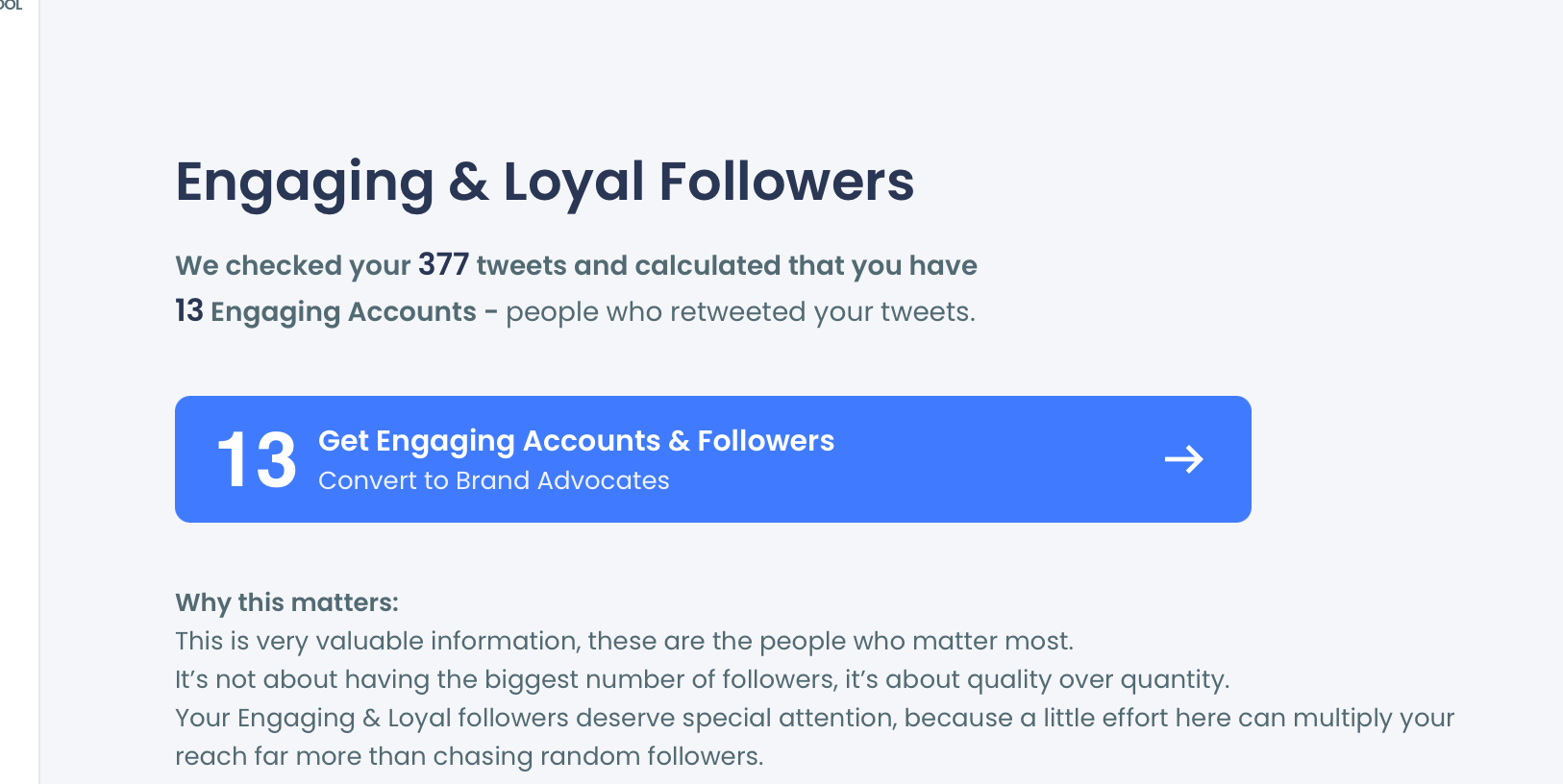
Downstream, engaging followers view validates whether your keyword-matched follows are actually engaging with content.
What Changes After Running Keyword-Based Auto Follow
Audience composition tightens. Instead of a mixed follower list where different segments care about different topics, the list starts concentrating around your specific keywords. That concentration shows up in engagement math: post performance climbs because the audience actually cares about the content.
Algorithmic signal improves. X's ranking systems weight engagement from relevant followers more heavily than engagement from loosely-connected accounts. When the follower list is keyword-aligned with your content, the algorithm reads the engagement signal as higher-quality and extends reach.
The third change is content compounding. Once your follower list represents your actual niche, the content you publish next reaches the right audience faster, produces more engagement, and feeds the algorithm better signals about future reach. The feedback loop tightens. That compounding effect is the real reason keyword targeting beats volume tactics.
Your Action Plan
Auto follow keywords on Twitter is the highest-precision growth tactic available in 2026. Build the keyword list once, layer filters, let the batched execution run.
Circleboom is a verified Enterprise partner of X, and the whole workflow runs on sanctioned access.
This week's checklist:
- Define five specific keywords your real audience would include in bios or tweets.
- Run a small test batch (20 accounts) on one specific keyword to calibrate the filter set.
- Review the engagement on that test batch after a week before scaling.
- Save the working keyword-plus-filter combination for weekly reuse.
→ Auto follow keywords on Twitter
Common Questions About Auto Follow Keywords on Twitter
Does auto follow keywords on Twitter violate platform rules?
No, when the workflow runs on the official X API with rate-limited pacing and filter discipline. Circleboom is on X's Enterprise customer directory, which confirms the API usage is sanctioned. Unauthorized scraping and rapid unfiltered batches are what X penalizes.
How specific should my keywords be?
Specific enough that the matched accounts are obviously your audience; broad enough to produce a non-trivial candidate pool. "Growth marketing" produces too many generic matches; "B2B SaaS growth marketing" produces tighter matches. Adjust based on the candidate volume you see.
Can I combine keywords with other filters?
Yes, and you should. Keyword match defines topical relevance; filters (verification, activity, account age, language) define account quality. Both matter, and the combination is what makes the workflow produce real audience rather than noise.
How many keywords should I run at once?
Start with three to five specific keywords. Too many simultaneous keywords produces an unmanageable candidate pool; too few produces thin results. Run each keyword's batch on a staggered schedule so the total follow volume stays inside safe limits.
What's the difference between auto follow keywords and auto follow back?
Auto follow keywords proactively discovers and follows accounts matching your keyword criteria. Auto follow back reacts to incoming follower events and follows back those that pass your filter. Different discovery sources, same execution layer.