
I used to think influencer marketing was all about chasing the biggest names. Millions of followers, massive reach, splashy campaigns…that had to be the secret to engagement, right?
Turns out, it’s not that simple. The truth is, engagement tends to drop as audience size grows. Celebrities may generate buzz, but their posts often feel like ads.
Micro-influencers, on the other hand, build trust through authenticity and niche communities. Their followers do more than consume their content and go on their merry way. They’re also interacting, commenting, and buying.
The Engagement Myth: Popularity Doesn’t Always Matter
Micro-influencers offer a strong return on investment (ROI), thanks to their high engagement rates, niche audiences, and perceived authenticity. This often means higher conversion rates and better ROI than macro-influencers.
In fact, micro-influencers’ 67% of content is considered sponsored. This can directly affect engagement.
Micro-influencers often outperform big names because their niche audiences trust them more, driving higher engagement and conversions. That’s why brands benefit from a balanced mix of macro reach and micro authenticity.
Let’s take StudioSuits as an example. It’s a custom menswear brand specializing in men’s tailored suits which partners with micro-influencers in fashion and lifestyle spaces.
These creators may only have a few thousand followers, but their recommendations feel genuine and spark meaningful conversations.

What Makes Micro-Influencers Different
Micro-influencers succeed where bigger names often stumble because they don’t broadcast to a faceless crowd. Instead, they talk to a community that knows and trusts them.
Instead of perfectly polished, one-size-fits-all endorsements, micro-influencers share lived experiences, everyday tips, and real conversations that spark genuine engagement.
Authenticity
Big names don’t always spark the strongest connections; sometimes, your best micro-influencers are your own customers. User-generated content (UGC) often feels more authentic and relatable than a polished ad, which is why it drives higher engagement.
Cruise America, an RV rental company, taps into this power by sharing real travel stories and photos from their renters.
Instead of glossy campaigns, they showcase customer adventures on the open road, transforming ordinary renters into trusted advocates and sparking meaningful engagement from audiences who can see themselves in those journeys.

Authenticity shows up in different ways depending on the influencer:
Customers: Share honest reviews and real experiences that resonate more than scripted ads.
Lifestyle bloggers: Showcase everyday use of products in a way audiences trust.
Local voices: Highlight community-specific stories that larger social media influencers can’t replicate.
Niche Communities
Niche influencers attract highly specific, loyal audiences.
For instance, a financial services brand looking to reach parents could collaborate with micro-influencers who focus on family budgeting or education planning, or recommending a personal finance app. Because these influencers share everyday financial tips, their audience is more likely to trust and act on their advice.
This makes them effective partners for promoting practical solutions like refinancing Parent PLUS loans, since the message comes from someone who genuinely understands the financial challenges parents face.
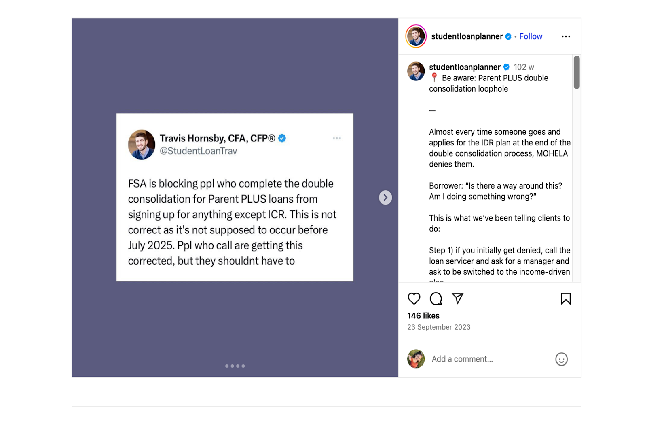
A good example is the Student Loan Planner Instagram account, which regularly posts updates and guidance on topics like Parent PLUS loan consolidation. By working with voices like this, brands can connect with parents at the exact moment they’re searching for reliable, relatable advice.
Other examples of niche influencers include:
Parenting influencers: Share relatable stories and advice that connect with family-focused audiences.
Hobby-based content creators: Build tight-knit communities around passions like hiking, cooking, or gaming.
Professional experts: Offer credibility in specialized fields like healthcare or law.
Accessibility
What makes micro-influencers so effective is their ability to show up as real people. When I scroll through Instagram, I don’t always stop for the glossy ad-like posts.
But I do pause when I see someone sharing their genuine experience, whether it’s cooking in their own kitchen or posting a photo from a family road trip. This kind of content is relatable, and audiences pick up on it immediately.
It reminds followers that influencers are just like them, living ordinary lives that make product recommendations feel genuine.
Relatable routines show daily life in ways followers can mirror in their own experiences.
Two-way interaction in comments and DMs builds a stronger sense of community.
Approachable content mixes professional insights with personal touches that feel familiar.
Trust
A micro-influencer strategy is especially effective for businesses that require a high degree of trust. Consider a specialized service like teen anxiety treatment. A celebrity endorsement from a major influencer would likely feel impersonal and disingenuous for such a sensitive topic.
Instead, a business can partner with micro-influencers who are therapists, family counselors, or mental health advocates in a specific community. These influencers may have a smaller following, but their audience is highly engaged and trusts their recommendations.
This approach turns a marketing campaign into an authentic, word-of-mouth referral, making it a powerful and credible way to connect with parents who are actively seeking a solution.
And depending on the industry, trust can take many different forms:
Educators who share knowledge and guidance in ways that build authority and reassurance.
Community leaders who carry influence through real-world relationships and local credibility.
Cause-driven influencers whose personal values align with social issues or missions that matter to their audience.
How to Identify the Right Micro-Influencers
Not every micro-influencer is the right fit for your brand. I’ve learned that magic happens when you find someone whose audience, content, and values align with your goals.
It takes a little digging, but when you get it right, the results can be game-changing.
Define Your Goals First
Before you start browsing Instagram or TikTok for potential brand partners, stop and ask yourself what you want to achieve.
Are you looking to build awareness, push conversions, or simply gather user-generated content to reuse across channels? Each goal points you toward a different type of influencer.
If the goal is awareness, you’ll want micro-influencers who are skilled at producing creative, shareable content. Their target audience should be highly engaged and active across multiple platforms.
For conversion-driven campaigns, seek influencers who are trusted voices in niches where their recommendations carry weight, like finance, wellness, or fashion.
And if your goal is to build a library of authentic UGC, look for influencers who consistently create photos, reviews, and short-form videos that you can repurpose into ads, emails, or landing pages.
Once you set a clear objective, the rest of the process gets easier. Instead of asking, “Who looks popular?” ask, “Who can help me achieve this specific outcome?”
Goals play a role in the influencers you choose. Without a clear target, you’ll risk chasing popularity instead of building partnerships that move the needle.
Use Tools and Platforms
I don't always rely on big-name platforms to find influencers. Sometimes the most effective way to discover talent is by digging into niche hashtags or related accounts on Instagram and TikTok.
For instance, I once found an incredibly effective influencer for a financial campaign just by searching “#debtfreejourney.” Her audience wasn’t massive, but the level of conversation and trust in her comments made her far more valuable than influencers with bigger followings.
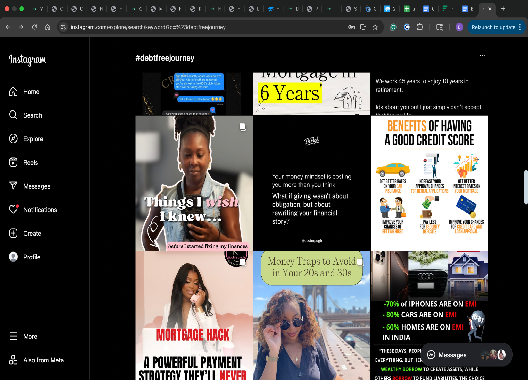

However, unfortunately, manually scrolling through hashtags can become a never-ending task. You can use influencer discovery tools to help streamline your influencer marketing strategy.
Platforms like AspireIQ, Upfluence, and Traackr allow you to filter potential partners by follower demographics, content type, engagement rate, and even location.
Social listening tools can also help you discover influencers who are already talking about your brand or related topics. This is a good sign that they’d be a natural fit.
If you’re targeting influencers on Twitter/X, Circleboom’s Twitter management tool covers the full process, from discovery to vetting. Circleboom is an Official X Enterprise Developer, so the data you work with comes from official X APIs.
With Circleboom, you can:
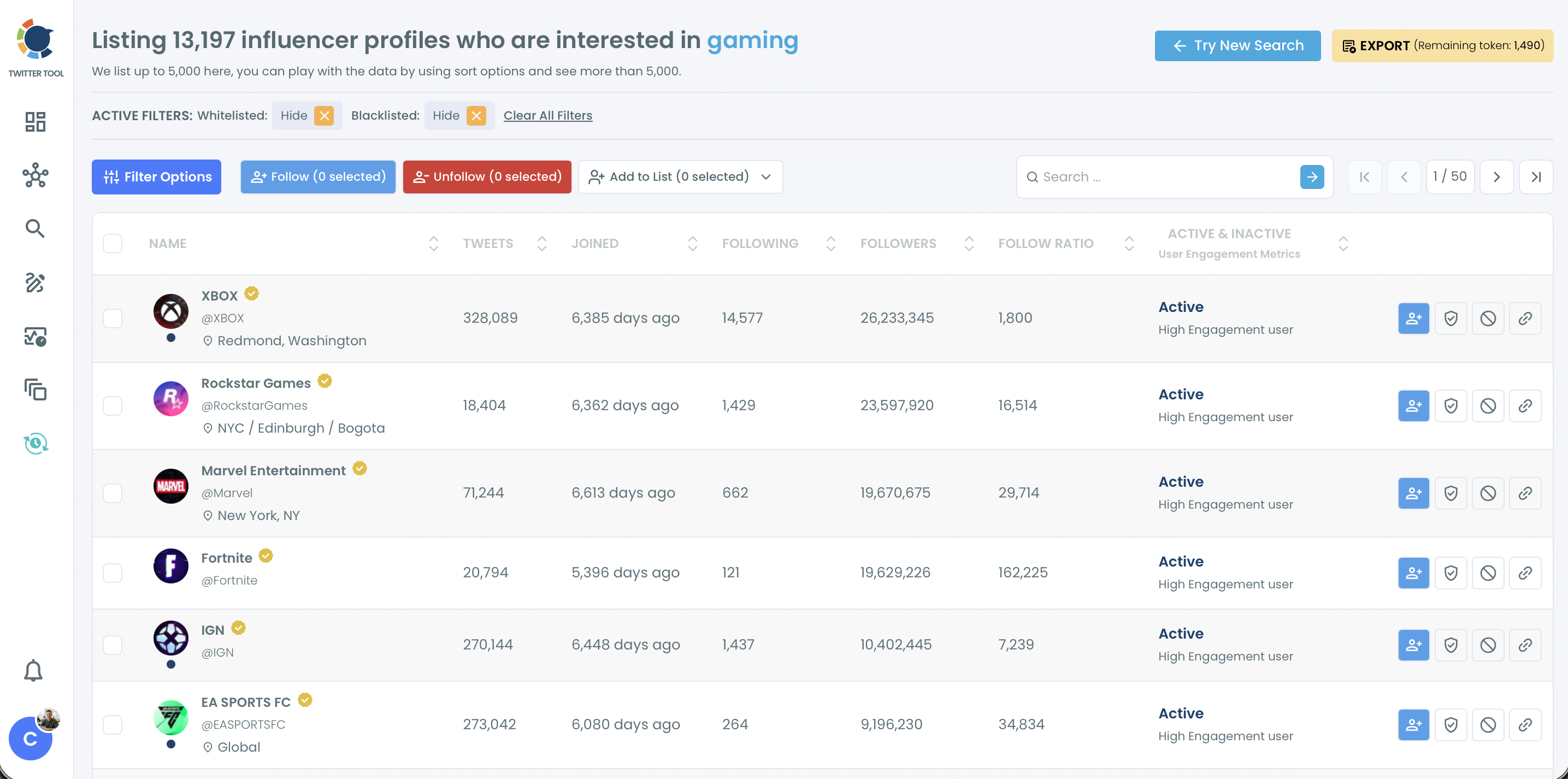
Find micro-influencers by keyword: The Find Influencers feature searches names, bios, profiles, and tweets for your niche keyword and lists matching influencer profiles. You can keep High, Mid, or Low Engagement Influencers, then use the follower count filter to focus on micro-tier accounts.
Search accounts by bio keywords: The Live X Account Search tool helps you discover accounts that describe themselves with your niche terms, such as “budgeting coach” or “personal finance.”
Track hashtags and keywords as they happen: The Real-time Tweet Search feature lets you follow a hashtag like #debtfreejourney on X and spot the voices that keep showing up in the conversation.
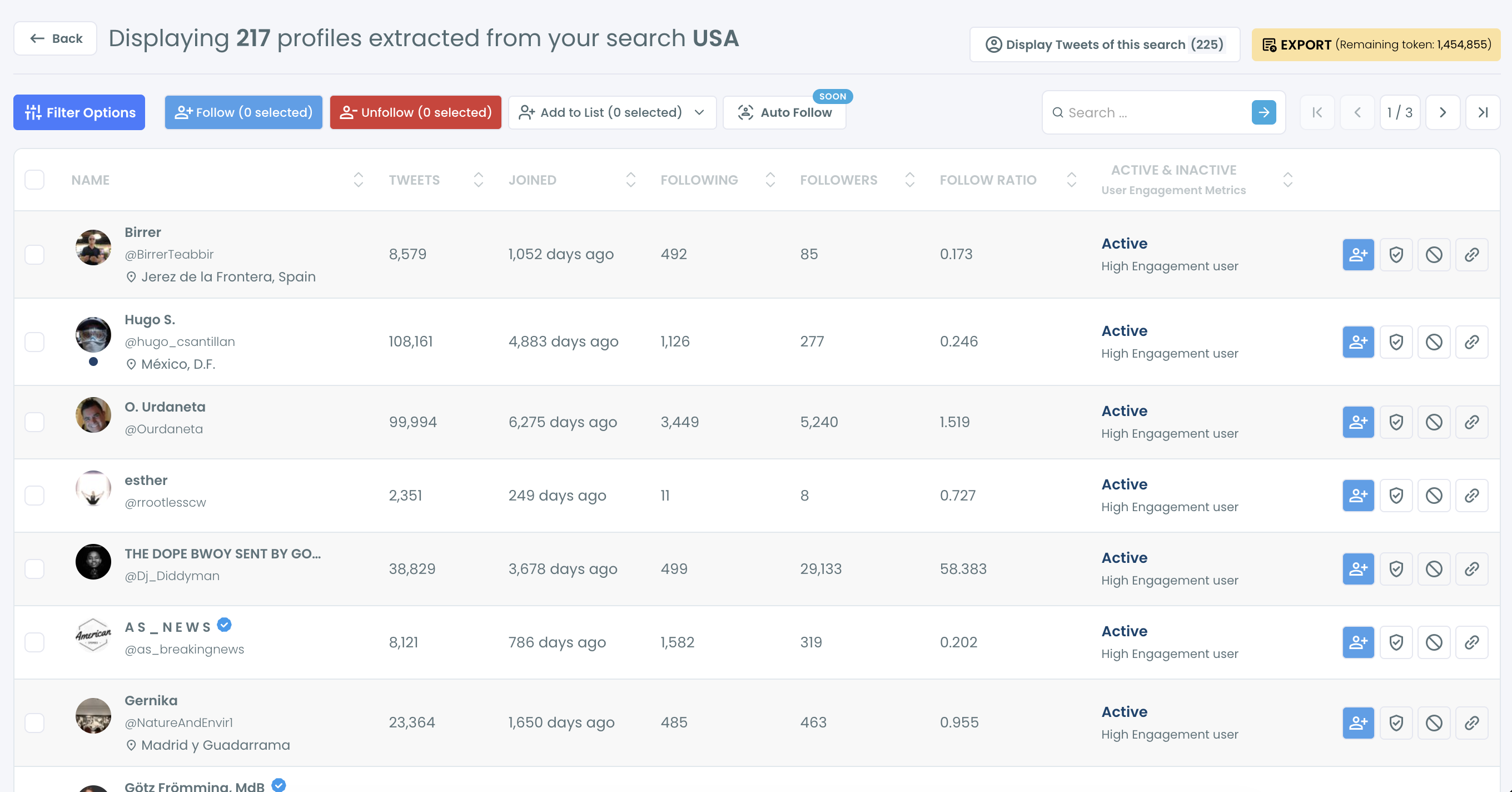
Shortlist and organize candidates: Add promising accounts to an X List, follow them, or export the list so your team can review it together.
Insight: For an effective and seamless influencer marketing strategy, use a mix of tools and manual research. Data platforms can narrow your search, but firsthand exploration uncovers the hidden gems no one else is looking at.
Evaluate Key Metrics
A common mistake is treating follower count as the main indicator of value. In reality, bigger isn’t always better, especially when it comes to engagement.
The true test of a micro-influencer’s effectiveness lies in their key performance metrics.
Start with engagement rate. Compare the number of likes, comments, and shares against follower count to see how active their audience really is.
For example, a micro-influencer with 8,000 followers and a 10% engagement rate is usually far more valuable than someone with 50,000 followers and 2% engagement.
Beyond raw numbers, pay attention to audience demographics. Do their followers match your ideal customer profile (ICP) in terms of age, interests, or location?
This is where a deeper look helps. With the X Account Analysis feature, you can run a full report on any X account, including an influencer you’re considering. The account doesn’t need to be connected to Circleboom. The report covers:
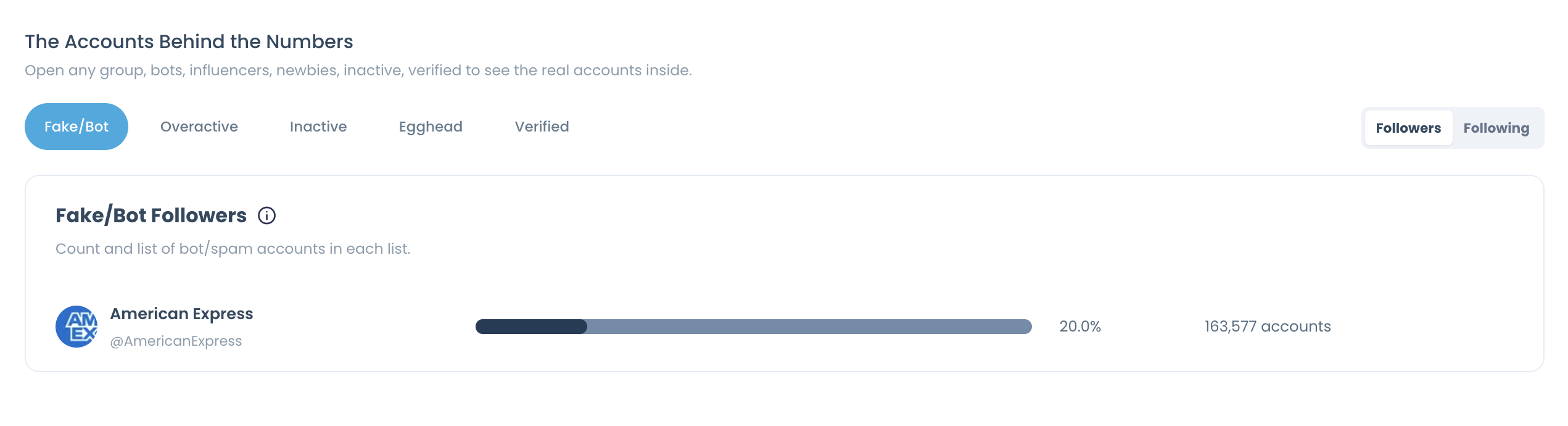
Audience quality: How many of the account’s followers are fake/bot, inactive, or accounts without a profile photo.
Audience demographics and geography: Where followers are located, which languages they speak, and how the audience is split by gender.
Posting behavior and engagement: How often the account posts, what formats it uses, and how its audience responds.
Content leaderboards: The posts that earned the most engagement, so you can see what resonates with this community.
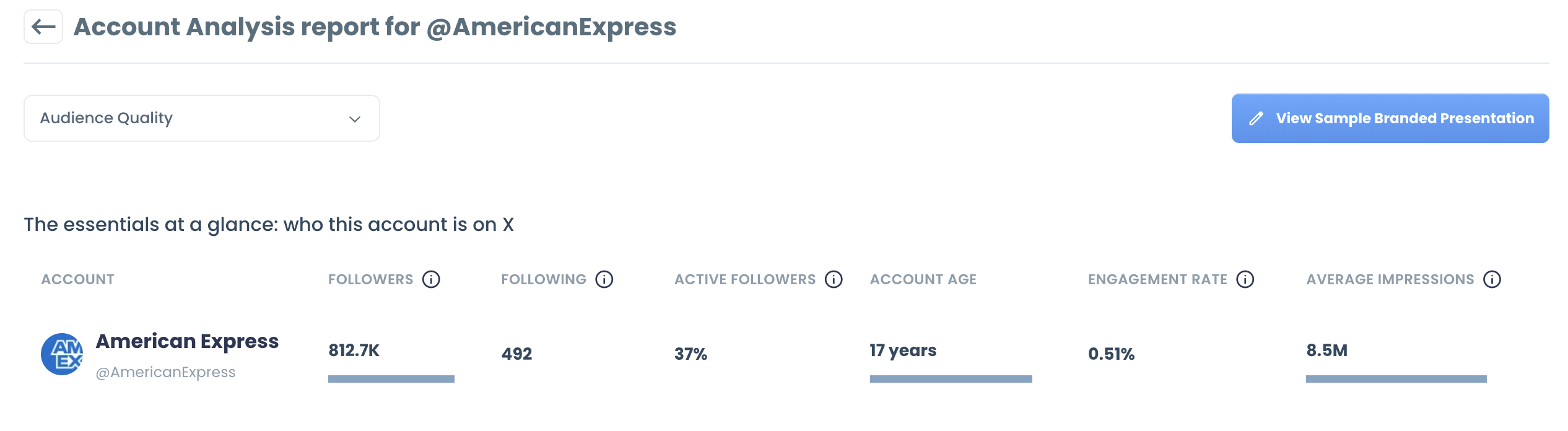
If you want to keep an eye on a partner during a longer campaign, you can choose to update the report every month and watch how their audience and engagement change over time.
Then, look at content alignment. Even if the influencer’s numbers look great, if their style and tone don’t feel natural for your brand, the collaboration will fall flat.
I always ask myself: if this influencer posted about my brand tomorrow, would it feel like a natural extension of their usual content or would it stick out like an ad?
Numbers tell part of the story, but alignment tells the rest. An influencer’s voice, tone, and audience must feel like an authentic extension of your brand to deliver results.
Watch Out for Red Flags
Finally, don’t ignore warning signs. On the surface, an account might look polished, but if you dig deeper, you might find issues that undermine their credibility.
A sudden spike in followers without a corresponding rise in engagement often points to purchased accounts.
Comment sections filled with generic remarks like “Nice pic!” can signal bots rather than genuine conversation. Inconsistent posting schedules or erratic content can also be a problem.
On X, you can run a quick check on any account with Circleboom’s free Fake X Account Checker tool. Type in the username, and you’ll see whether the account shows fake-profile characteristics. It’s a simple due-diligence step before you commit budget to a paid collaboration. For a full picture of how many fake or inactive accounts sit in an influencer’s follower base, the audience quality section of the X Account Analysis report shows the numbers.
If someone doesn’t have a clear identity or consistent quality, they may not be the partner you need.
The other red flag I’ve run into is over-branding. Some influencers say yes to every sponsorship, which dilutes trust. When audiences see one person promoting ten different products in a week, it becomes harder to believe any of the recommendations.
Value consistency and authenticity over reach, because those are the qualities that build long-term results.
Best Practices for Working With Micro-Influencers
Here are our tips you can follow when working with micro-influencers:
Build partnerships: Treat influencers as collaborators who understand their audience best.
Give creative freedom: Overly scripted content feels forced. Let influencers tell your story in their own voice so it lands authentically.
Offer value beyond payment: Long-term partnerships, exclusive access, or early product drops make collaborations more meaningful.
Repurpose influencer content: Great posts shouldn’t live only on social feeds. Use them in ads, emails, and landing pages to extend their impact.
Measure and learn: Track engagement, conversions, and sentiment so you can refine your influencer strategy over time. On X, a fresh X Account Analysis report on your own account after a campaign shows whether your audience and engagement actually grew.
Final Thoughts
Micro-influencers create genuine connections and meaningful conversations. Their authenticity, focus, and ability to inspire trust turn everyday recommendations into powerful drivers of engagement and growth.
I found that smaller communities often respond with more energy and commitment, which makes these partnerships especially valuable. This energy gives brands the opportunity to build long-term relationships, gather audience feedback, and grow communities that feel invested.
If your goal is building brand awareness, boosting conversions, or creating a library of content, micro-influencers can deliver measurable outcomes. With the right tools, a clear strategy, and a willingness to collaborate authentically, you can tap into communities that are ready to listen and ready to act.
Looking for a complete way to find, vet, and track micro-influencers on X? With Circleboom’s Twitter management tool, you can discover influencers in your niche, check their audience quality, and measure the results of your campaigns, all in one place.