
Slow organic retweet growth requires months of consistent quality and audience trust. Fast retweet growth requires a specific incentive that gives followers an immediate reason to act. A prize-based campaign with verifiable winner selection is the fastest path that does not compromise on long-term audience quality. This guide walks through the structure, the operational setup, and the trust mechanic that makes it work.
Quick Answer:Design a campaign with a clear retweet requirement and a relevant prize.Publish the campaign tweet with a 7-day deadline.Promote across the deadline window.Use Circleboom Giveaway Picker to select the winner transparently.Announce the winner publicly. The selection runs on the official X Enterprise API.
Why Prize-Based Campaigns Outperform Organic Retweet Tactics
Organic retweet growth depends on consistently high-quality content that followers want to share. The mechanism is slow because retweet behavior requires both content fit and follower willingness. Most tweets earn modest retweet counts, even when the content quality is strong.
A prize-based campaign converts retweet behavior into a value exchange. The follower retweets in exchange for entry into a giveaway. The exchange is voluntary and transparent. Followers who would not have retweeted on content alone retweet when the action carries a tangible upside.
The fast lift is the result. A well-structured campaign typically produces 3 to 10 times the baseline weekly retweet volume across the campaign window. The lift comes from the incentive structure, not from any change in the content quality.
The framework for the underlying incentive mechanics is documented in how to run a successful Twitter contest.
The Four Elements of a Successful Prize-Based Retweet Campaign
Element one: clear retweet requirement. The entry condition must be unambiguous and simple. "Retweet this post to enter" works. Convoluted requirements ("retweet, follow, like, reply with a comment") reduce participation because each additional step filters out potential entrants.
Element two: relevant prize. The prize should be specific to the audience you want to engage. A niche-relevant prize attracts targeted entries from followers who actually want it. A generic prize attracts low-quality entries.
Element three: defined timeline. The campaign should run 5 to 10 days. Shorter timelines miss the long-tail entries. Longer timelines lose urgency. Seven days is the standard.
Element four: verifiable winner selection. The mechanism for selecting the winner must be transparent and credible. Without verifiable selection, participation drops because followers suspect the contest is rigged or arbitrary.
The fourth element is where Circleboom Giveaway Picker becomes operationally important. The tool provides the verifiable selection that the campaign structure requires.
How Circleboom Giveaway Picker Handles the Selection
Giveaway Picker is a Circleboom tool that automates fair winner selection from giveaway participants. The tool retrieves the campaign tweet’s retweet list through the X Enterprise API, applies optional quality filters, and selects winners using verifiable random selection.
The setup is straightforward. Enter the campaign tweet URL. Specify the entry conditions (retweet, like, reply, follow, or combinations). Apply optional filters (exclude bot accounts, require follower count thresholds, exclude accounts under a certain age). Run the selection.
The output includes the winner and a result image suitable for public posting. The participant can verify the selection process through Circleboom’s documented methodology.
The framework runs on the X Enterprise API, which means the participant list is complete (no scraping gaps), the selection is technically sound, and the entire workflow is platform-compliant.
Step-by-Step: How to Run the Campaign and Select the Winner
The flow runs in sequence.
Step 1. Pick a prize relevant to your audience
The prize should be specific. Niche-relevant prizes outperform generic prizes.
Step 2. Write the campaign tweet
State the prize, the entry condition (retweet this post), the deadline, and the winner selection mechanism (Circleboom Giveaway Picker).
Step 3. Publish at a high-activity window
Post the tweet when your audience is most active. The first 24 hours drive most of the retweet volume.
Step 4. Promote across the deadline window
Reference the campaign in subsequent tweets across the 7 days. Each mention drives additional retweets.
Step 5. Open Circleboom Giveaway Picker after the deadline
Log in to Circleboom Twitter and navigate to Giveaway Picker. Enter the campaign tweet URL.
Step 6. Configure conditions, filters, and run the selection
Set the entry conditions to match the campaign requirements. Apply quality filters. Run the selection and announce the winner publicly with the result image.
The full setup takes 30 minutes across the campaign window, plus the 7-day duration itself.
Why Verifiable Selection Matters More Than Prize Value
Counterintuitively, the credibility of the winner-selection process drives participation more than the absolute prize value. Cheap prizes with verifiable selection often produce more entries than expensive prizes with vague selection.
The reason is that participation is a probabilistic decision. Followers weigh prize value against entry effort and perceived probability of winning. The perceived probability collapses if the selection looks rigged or arbitrary. Even high-value prizes underperform when the selection process is not credible.
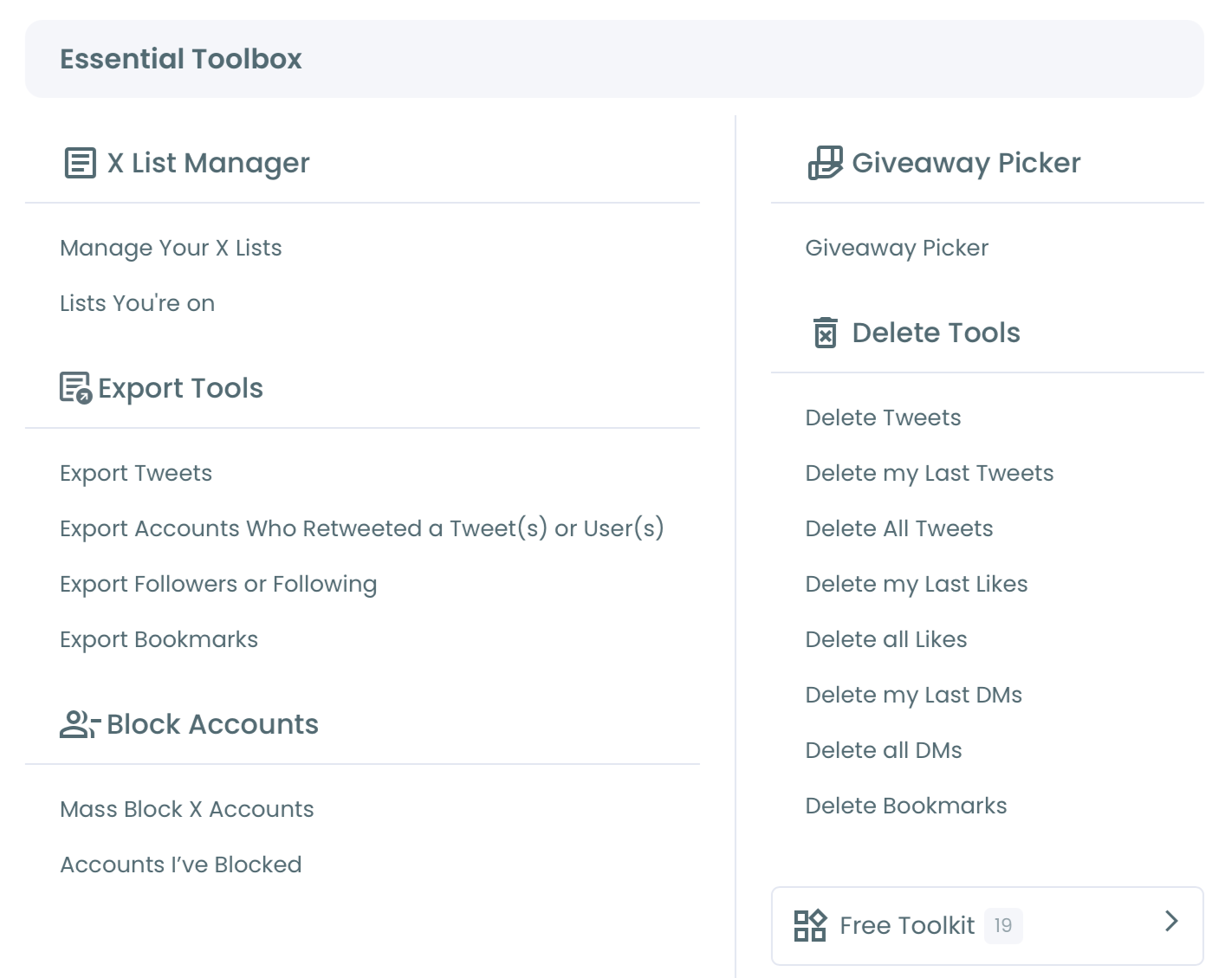
Giveaway Picker addresses this structurally. The selection is automated, random, and verifiable. Participants can independently confirm the methodology. The trust calculation works for both sides.
For broader context on how trust affects audience-quality outcomes, the framework in finding brand advocates covers the long-term effects of credible engagement events.
Campaign Cadence That Sustains Results
Three cadence patterns work for different goals.
Quarterly campaigns. Run a prize-based campaign every 90 days. This is the practical maximum cadence; more frequent campaigns produce audience fatigue. The quarterly rhythm gives each campaign distinct identity and prevents the "constant giveaway" perception.
Annual campaigns. One major campaign per year tied to a specific event (anniversary, product launch, holiday season). Allows for higher prize value and broader marketing context.
Event-driven campaigns. Specific campaigns tied to news, launches, or audience milestones. Runs less than 5 times per year. Mixes with the quarterly or annual baseline.
The cadence above what these patterns recommend produces diminishing returns. The mechanism breaks because audience saturation reduces the perceived novelty of each new campaign.
How Giveaway Picker Stays Inside X Policy
Circleboom Giveaway Picker runs through the X Enterprise API. The participant list comes from sanctioned API endpoints. The selection process is documented and verifiable. The workflow is X-policy-compliant.
This matters because giveaway campaigns on X must follow specific platform rules about prize disclosure, entry requirements, and winner selection. Circleboom’s integration handles the data layer in a way that respects these rules.
For broader policy context, the X help center documentation on X rules and policies defines the campaign-side requirements that the operational tooling supports.
Watch how Twitter Like Picker selects fair giveaway winners for a related walkthrough.
What Prize-Based Campaigns Cannot Achieve
Three honest limits.
Campaigns do not build deep audience relationships. The retweets are real, but the relationships are typically shallow. Followers who entered for the prize are not automatically converted to long-term engaged audience.
Campaigns do not work as a primary growth strategy. Monthly cadence produces fatigue. The campaign should be a tactical event, not a baseline operation.
Campaigns do not succeed without credible selection. Vague winner-selection promises produce vague participation. Verifiable selection through Giveaway Picker or equivalent is the structural prerequisite.
For accounts running campaigns alongside broader strategies, the framework in tips for brands to get better engagement on Twitter covers the long-term engagement context.
Frequently Asked Questions
What is the typical retweet lift from a prize campaign?
3 to 10 times the baseline weekly retweet count, depending on prize relevance and audience size.
How long does the campaign need to run?
5 to 10 days is the practical range. Seven days is the standard.
What kind of prize works best?
A niche-relevant prize specific to your audience. Generic high-value prizes attract low-quality entries.
Should I require additional actions beyond retweeting?
Adding actions reduces participation. Simple entry conditions outperform complex ones for raw retweet volume.
How do I prevent bot accounts from entering?
Use Circleboom Giveaway Picker filters to exclude bot accounts and low-quality profiles before running the selection.
What happens if I forget to announce the winner publicly?
Future campaign participation drops. The public announcement closes the trust loop for subsequent campaigns.
Can I run multiple campaigns at once?
Yes, but each one’s engagement competes with the others. Concurrent campaigns dilute each other.